Sundarban Boat Safari Guide
– How to Read Tides, Creeks, and Wildlife in India’s Mangrove Delta
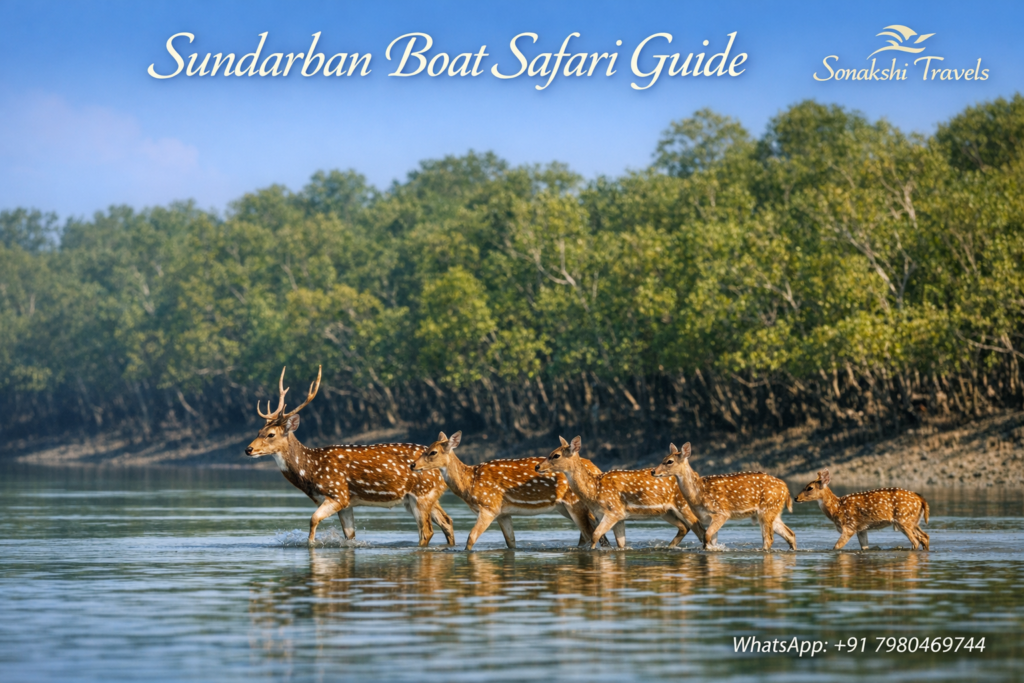
A carefully planned Sundarban boat safari experience is not merely a forest visit conducted on water. It is a structured journey through a tidal wilderness where rivers replace roads, tides determine timing, and the mangrove edge becomes the primary observation line. Travelers who expect open grasslands and predictable wildlife corridors often misread the landscape at first. The Sundarbans does not reveal itself quickly; it must be studied through patience, silence, and ecological awareness.
This guide is designed for readers who want a deeper understanding of how a safari operates in this delta system—what influences movement, how creeks function, why tides matter, and how safety and conservation regulations shape every route. For a broader orientation into routes, permits, and travel seasons within this region, the structured resources available at Sundarban Travel provide a useful foundation before focusing specifically on boat-based exploration.
Why a Sundarban Boat Safari Is a Different Category of Wildlife Travel
The Sundarbans is a tidal mangrove ecosystem at the northern edge of the Bay of Bengal, formed by sediment carried through vast river systems. Unlike inland reserves with defined road networks, this region is an estuarine mosaic of islands, channels, mudflats, and creeks. Wildlife viewing occurs along water corridors rather than across open plains.
Two conditions define the safari here. First, visibility is narrow and linear. Dense mangrove vegetation forms layered screens along riverbanks, and wildlife observation often depends on scanning shoreline transitions rather than wide open landscapes. Second, time is controlled by tide cycles and regulated entry windows. Water depth shifts every few hours, influencing access to creeks and even the appearance of mudflats.
Understanding these realities changes how one perceives a safari. It becomes less about covering ground and more about reading habitat edges—where land, water, and vegetation intersect.
Scientific Context: Delta Ecosystem, Estuary Dynamics, and Mangrove Adaptations
The Delta as a Living System
The Sundarbans exists within one of the world’s largest delta formations. In such environments, land is dynamic rather than permanent. Silt deposition, erosion, and channel migration continuously reshape islands and riverbanks. Fresh mud embankments, collapsing edges, and newly formed sandbars reflect this ongoing geological process. A single visit may not reveal dramatic change, yet the landscape is constantly being remade by water movement.
Brackish Water and Tidal Creeks
Salinity in the Sundarbans varies by season, rainfall intensity, and upstream freshwater flow. This fluctuation creates brackish conditions that support a complex food chain. Tidal creeks function as ecological arteries, carrying nutrients, juvenile fish, and crustaceans between river and forest. During certain tide phases, these creeks become navigable pathways, offering brief windows for closer ecological observation within regulated limits.
Mangrove Adaptations and Landscape Structure
Mangroves survive in waterlogged, oxygen-poor mud where most trees cannot grow. Their breathing roots rise above the surface to facilitate gas exchange. Many species regulate salt through filtration or excretion. Dense root networks trap sediment, stabilizing mudflats and reducing erosion. On a safari, these features are visible architectural elements of the terrain. The forest appears to stand in water because it often does; tidal cycles repeatedly submerge and expose its base.
How a Sundarban Boat Safari Operates in Practice
A structured boat safari typically combines long river transits with selective creek entry determined by tide conditions and forest permits. Boats operate on designated routes, and access to core zones follows strict regulation. The flow usually includes timed departure aligned with tide logic, steady river navigation toward forest corridors, reduced speed near mangrove edges, and controlled stops at approved watchtowers.
Travelers seeking a comprehensive overview of how such routes integrate with accommodation and overall itinerary planning may benefit from examining a well-designed Sundarban tour package structure, where safari movement is positioned within a broader logistical framework.
What is essential to understand is that the safari is not about entering deep forest interiors. It is about reading transitional zones—shorelines, creek mouths, and mudflat exposures—where wildlife briefly appears.
Reading the Tide: The Core Skill of Delta Travel
High Tide and Low Tide Differences
High tide submerges mudflats and reaches deeper into mangrove roots, creating an immersive aquatic impression. Some creeks become more accessible under these conditions. However, exposed feeding grounds disappear temporarily. In contrast, low tide reveals wide mudbanks where crabs are active and birds forage. Deer may approach exposed edges, and crocodiles may be observed basking near shallower bends. Neither tide is universally superior; the effectiveness depends on the day’s objective and route alignment.
Wildlife Behavior and Tidal Influence
Animals respond to tide cycles because tide governs access to food and movement corridors. Crab activity increases on exposed mudflats. Bird feeding patterns shift with fish movement. Crocodile basking zones vary by water depth. Even the elusive tiger’s shoreline movement is shaped by terrain exposure. A tide-aware approach is therefore fundamental to a meaningful safari.
Watchtowers and Structured Observation Points
Watchtowers in the Sundarbans function as regulated observation platforms that enhance safety while minimizing ecological disturbance. Among the well-known points are Sajnekhali, Sudhanyakhali, and Dobanki.
Sajnekhali: Orientation and Ecological Context
Sajnekhali often serves as an introductory stop where forest interpretation and orientation take place. It provides structured understanding of conservation protocols and helps align expectations before deeper navigation.
Sudhanyakhali: Water-Edge Focus
Sudhanyakhali is valued for its proximity to water sources that attract herbivores such as spotted deer. Observers scanning patiently may notice subtle indicators—alarm calls or repeated bird movement—rather than immediate dramatic sightings.
Dobanki: Elevated Canopy Perspective
The Dobanki canopy walk offers a raised vantage point over mangrove layers. It does not transform the forest into open terrain, yet it reveals canopy density and channel geometry in ways that are academically illuminating.
Wildlife Expectations in a Dense Mangrove Habitat
The Sundarbans supports diverse fauna, yet realistic expectations are essential. The environment favors concealment. A safari should be approached as a biodiversity study rather than a guaranteed encounter expedition.
Common Sightings
Spotted deer are often visible near exposed banks. Estuarine crocodiles may be observed basking or partially submerged. Water monitor lizards are common along muddy embankments. Birdlife—including kingfishers, herons, and egrets—adds movement and color to shoreline transitions. Crab colonies animate mudflats during low tide.
The Royal Bengal Tiger
The Royal Bengal Tiger inhabits the protected landscape of the Sundarban Tiger Reserve. However, sightings remain unpredictable due to dense vegetation and natural behavior. Responsible travel emphasizes respect for conservation boundaries rather than pressuring crews for risky maneuvers.
Seasonal Strategy for Boat Safaris
Winter Conditions
Winter offers relatively comfortable temperatures and clearer visibility. Bird activity often increases due to seasonal movement, and extended deck observation becomes more manageable.
Summer Discipline
Summer requires heat management and disciplined timing. Early morning navigation is typically more productive. Hydration and shade are essential, as heat fatigue reduces attentiveness—an important factor in a landscape where observation is subtle.
Monsoon Dynamics
Monsoon months intensify greenery and alter water patterns. While the landscape becomes dramatically lush, strong currents and unpredictable weather may limit navigation windows. Flexibility is essential during this season.
Permits and Conservation Protocol
The Sundarbans is a regulated habitat, and permits form a central conservation mechanism. Entry windows, routes, and boat conduct are monitored to reduce ecological stress. Travelers should respect noise discipline, avoid littering, remain within authorized areas, and follow guide instructions carefully.
Safety in a Tidal Forest Environment
Safety in the Sundarbans is procedural rather than dramatic. Regulated routes and trained crews create structured conditions when visitors cooperate. Remaining seated during navigation, keeping hands inside the boat in narrow creeks, wearing appropriate footwear at jetties, and managing sun exposure are practical precautions that support safe travel.
Travelers seeking enhanced privacy, controlled pacing, and a more tailored navigation rhythm often consider structured arrangements such as a Sundarban private tour package, where boat allocation and timing can be adjusted within regulatory limits.
Responsible Tourism and Community Sensitivity
The Sundarbans is both wildlife habitat and lived landscape. Fishing, honey collection, and river transport sustain local communities. Responsible tourism includes waste discipline, restrained noise levels, respectful photography, and cooperation with professional crews who understand tidal behavior and safety procedures.
Practical Tips to Enhance the Safari Experience
Equipment and Preparation
Binoculars are essential for shoreline scanning. Sun protection supports long hours on open decks. Light layers help manage temperature shifts, especially in winter mornings. Insect protection should be used responsibly and without excessive application on shared surfaces.
Observation Mindset
A productive safari depends on attentiveness rather than speed. Experienced naturalists scan in visual layers—near shoreline, mid-distance edges, and canopy lines—while listening for bird alarm calls or unusual stillness along creek bends.
FAQ: Planning Considerations
Is a boat safari suitable for first-time visitors?
Yes, provided expectations emphasize ecological immersion rather than guaranteed sightings.
Are tiger sightings frequent?
Tigers inhabit the reserve, but dense habitat and natural behavior make sightings occasional rather than routine.
What duration is ideal for a meaningful safari?
Multi-day itineraries allow better tide alignment and deeper exploration; structured options such as a 2 Nights 3 Days Sundarban tour plan often provide the flexibility required for varied creek and river navigation.
How can visitors travel responsibly?
Carry back waste, maintain silence during sightings, respect local livelihoods, and adhere strictly to conservation regulations.
A Boat Safari as Ecological Study
A Sundarban boat safari is best understood as a disciplined engagement with an estuarine delta system. Mangrove roots, brackish channels, shifting mudflats, and regulated navigation together form a living laboratory of adaptation. When travelers move with tide awareness, respect permits, and observe patiently, the delta reveals itself through subtle signals—bird movement, shoreline textures, and the quiet rhythm of water meeting forest.
For those who return more than once, each visit feels distinct. Tide cycles differ, seasons shift, and river moods change. The Sundarbans is never static; it is a landscape in continuous motion, rewarding those who seek understanding rather than haste.