Sundarban Tour Brings Wildlife, Culture, and Comfort Together
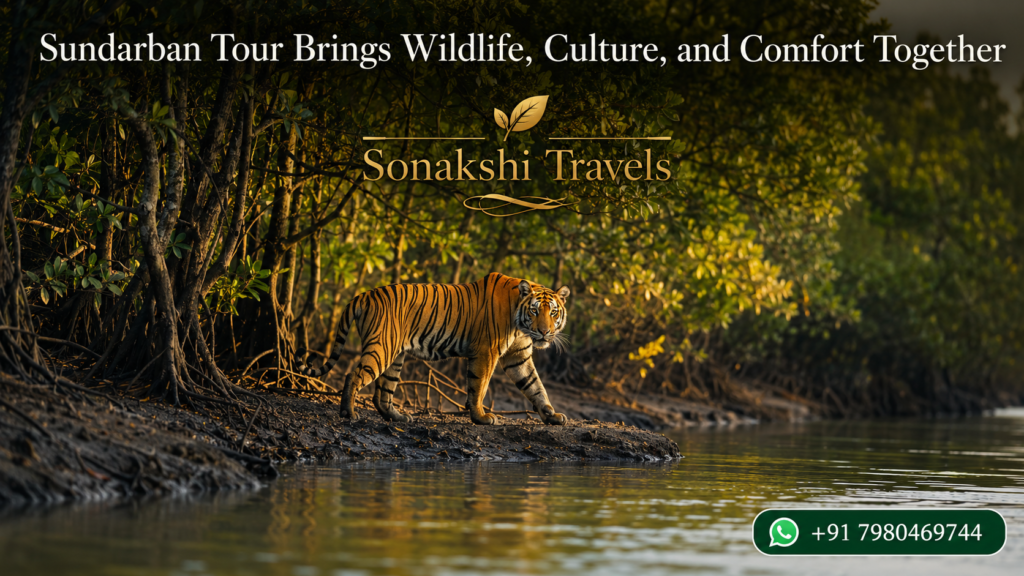
A well-planned Sundarban tour brings together three important parts of travel: the natural life of the mangrove forest, the culture of the river communities, and the basic comfort that allows travellers to enjoy the journey without unnecessary difficulty. These elements must work together. Wildlife alone cannot create a complete travel experience if the boat is poorly managed, meals are delayed, accommodation is unsuitable, or guests do not receive clear guidance.
The Sundarban is different from an ordinary city, beach, or hill destination. Movement depends largely on rivers, creeks, tides, boats, local permissions, trained guides, food preparation, and coordination between several service providers. A small delay or communication gap can affect many parts of the journey. For this reason, proper planning is not an additional luxury. It is the foundation of a safe, comfortable, and meaningful visit.
Travellers should also understand that the Sundarban is a living ecosystem rather than a controlled wildlife park. Animals move freely, river conditions change naturally, and sightings cannot be promised. The real value of the journey lies in observing the forest carefully, understanding the relationship between people and tides, travelling responsibly, and appreciating the calm rhythm of the mangrove landscape.
Why a Sundarban Tour Requires Careful Planning
Planning a Sundarban tour involves more than reserving a room and arranging a boat. Several services must be connected correctly. The pickup team, boat crew, cook, resort staff, local guide, permit arrangements, meal schedule, and guest support system should all follow one coordinated plan. When these services are handled separately without proper communication, travellers may face long waiting periods, confusion, rushed meals, or changes that were not explained in advance.
The river-based character of the region makes coordination especially important. Guests cannot simply leave a boat at any point and arrange another vehicle or service. Once a forest cruise begins, the group depends on the boat crew, fuel availability, food supplies, safety equipment, tide conditions, and route permissions. A responsible organiser checks these details before the journey starts.
Careful planning also means setting realistic expectations. A good organiser explains that the experience is based on forest observation rather than guaranteed animal sightings. Travellers may see crocodiles, deer, wild boar, monkeys, water monitors, mudskippers, kingfishers, egrets, herons, raptors, and many other forms of life. However, every journey is different. The quiet observation of mangrove channels often becomes as meaningful as seeing a large animal.
The article Sundarban Tour Lets You Experience Forest Life from a Boat explains why the boat is not only a mode of transport but also the main space from which travellers observe the forest. This makes boat quality, crew discipline, seating comfort, cleanliness, and route management central to the overall experience.
Wildlife Experience Should Be Patient and Realistic
Wildlife is one of the strongest reasons people choose Sundarban travel, but responsible wildlife tourism begins with patience. The mangrove forest is dense, tidal, and naturally difficult to observe. Unlike a zoo or fenced reserve, the Sundarban does not place animals within predictable viewing areas. Travellers must watch the riverbanks, exposed mudflats, tree roots, narrow creek entrances, and open stretches of water with attention.
A knowledgeable guide improves this process by helping guests notice signs that may otherwise be missed. Bird calls, pugmarks, claw marks, movement in the grass, changing behaviour of deer, and the position of basking reptiles can offer valuable information. A guide should explain these signs honestly without creating false excitement or presenting every distant movement as a rare sighting.
The quality of a wildlife experience also depends on behaviour aboard the boat. Loud music, shouting, throwing food, disturbing animals, or approaching riverbanks carelessly can reduce the chance of observation and harm the environment. Quiet movement and respectful distance allow travellers to experience the forest more naturally.
The mangroves themselves are an essential part of the wildlife story. Their complex root systems support fish, crabs, insects, reptiles, birds, and many other organisms. The article Sundarban Tour Reveals the Quiet Power of Mangrove Forests provides useful context for understanding why the forest should not be judged only by the number of large animals seen during a cruise.
Comfort Makes Forest Travel More Enjoyable
Comfort in the Sundarban does not necessarily mean excessive luxury. It means providing the practical facilities required for travellers to remain relaxed, safe, and attentive. Clean seating, a shaded boat area, hygienic toilets where available, drinking water, timely meals, suitable accommodation, polite staff, and clear communication can greatly improve the journey.
Boat comfort deserves special attention because guests may spend several hours on the water. Seating should be arranged so that people can observe both sides of the river without crowding. The deck should be kept clean and free from unnecessary obstacles. Life jackets and other basic safety arrangements should be available and properly maintained. The crew should avoid unsafe speed and sudden movement, particularly in narrow creeks or near busy river crossings.
Accommodation also affects the quality of rest between forest experiences. A clean room, functioning bathroom, dependable electricity arrangements, fresh bedding, and responsive staff are more important than decorative claims. Travellers should select accommodation according to the needs of their group rather than choosing only by photographs or labels.
A Sundarban luxury tour package may provide upgraded rooms, more personalised service, a private boat, flexible meal coordination, and greater privacy. However, luxury should be measured by reliability and care, not only by expensive room categories. A premium experience is valuable when it reduces waiting, confusion, crowding, and service gaps.
The Role of a Reliable Travel Agency and Tour Operator
A dependable Sundarban travel agency acts as the connecting point between travellers and local service teams. Its role begins before the journey. It should collect correct information about group size, age of travellers, room requirements, food preferences, mobility concerns, and the type of experience expected.
A professional Sundarban tour operator should provide clear information about inclusions and limitations. Guests need to know whether the boat is private or shared, what type of room has been arranged, how meals will be served, whether a trained guide is included, and which services may depend on local conditions. Clear communication reduces misunderstanding and builds trust.
Good operators also maintain contact with the boat crew, resort team, local coordinators, and drivers throughout the journey. This support becomes important when there is a delay, a guest requires assistance, or a service needs adjustment. Travellers should not be left to solve coordination problems between different vendors on their own.
There is a clear difference between making a general booking and receiving organised travel support. A general booking may only reserve separate services. Organised support connects those services into one working system. This difference often determines whether the trip feels smooth or tiring.
How Boat Coordination Shapes the Entire Experience
The boat is the central working space of most Sundarban journeys. It carries guests through tidal rivers, serves as a wildlife observation platform, provides space for meals, and often becomes the place where travellers spend the largest part of the day. Therefore, choosing a suitable boat is one of the most important decisions within a Sundarban tour package.
The number of passengers should match the practical capacity of the boat. A crowded vessel may reduce visibility, comfort, and freedom of movement. Families with children or senior citizens may require easier boarding, stable stairs, shaded seating, hand support, and nearby toilet access. These needs should be discussed before the boat is assigned.
A disciplined crew contributes greatly to guest comfort. Crew members should maintain cleanliness, manage docking carefully, assist passengers during boarding, and follow responsible navigation practices. They should also communicate with the guide and cook so that forest observation, meal service, and travel timing do not interfere with one another.
Private boat arrangements may be helpful for families, photographers, couples, senior travellers, or small groups that prefer personal space. A Sundarban private tour package can provide greater control over seating, meal timing, rest breaks, and group movement, subject to forest rules and operating conditions.
Food Coordination Is Part of Travel Quality
Food is not a separate matter in river-based tourism. It must be planned together with boat schedules, cooking facilities, storage, hygiene, and guest preferences. Since travellers may remain on the water for long periods, delays in food service can cause discomfort, especially for children, senior citizens, and people who need regular meals.
A properly managed tour collects dietary information in advance. Vegetarian requirements, allergies, lower-spice preferences, and restrictions related to health or religion should be communicated clearly to the cooking team. Last-minute requests may be difficult to manage because ingredients and cooking arrangements are often prepared before departure.
Meals should be fresh, simple, and suitable for travel. Excessive menu promises are less important than cleanliness, proper cooking, safe drinking water, and timely service. Local fish, vegetables, rice, dal, and familiar Bengali dishes can add regional character when prepared hygienically and served responsibly.
Food waste should also be controlled. Throwing plastic plates, bottles, packets, or leftover food into rivers is environmentally harmful. Responsible organisers use proper waste collection methods and ensure that the boat crew does not dispose of rubbish in the forest or waterways.
Stay Coordination Supports Rest and Safety
A Sundarban stay should be selected according to the physical and practical needs of the travellers. Families may require adjoining rooms or sufficient sleeping arrangements. Senior citizens may prefer ground-floor rooms or accommodation with fewer stairs. Couples may value privacy and quieter surroundings. Groups may need common seating areas and better meal coordination.
The category name of a property does not always provide enough information. Travellers should ask about room size, bathroom type, power backup, accessibility, cleanliness, and distance from the boat boarding point. These details have a direct effect on comfort.
Those considering a Sundarban deluxe tour package or a higher-category arrangement should focus on service reliability. A comfortable room is useful, but the experience may still suffer if boat transfers, meals, or guest support are poorly organised. Accommodation should therefore be treated as one part of a connected travel plan.
A Sundarban luxury stay package with Sonar Bangla or another premium resort arrangement may suit travellers who prioritise modern room facilities and a refined stay. However, the resort and forest cruise must be coordinated carefully. A high-quality room alone cannot replace good boat management, responsible guiding, and clear communication.
Suitability for Families and Children
A family Sundarban tour can be educational and enjoyable when the pace and facilities are suitable for different age groups. Children can learn about mangroves, tides, river animals, birds, village life, and conservation. However, adults must supervise them carefully on boats, jetties, stairways, and riverbanks.
Families should avoid selecting an arrangement only because it appears inexpensive. The lowest-priced option may involve larger shared groups, less flexible seating, fixed food service, or limited personal support. An affordable Sundarban tour should still provide basic safety, clean food, suitable accommodation, and responsible coordination.
Parents should inform the organiser about the age of children and any food or sleeping requirements. Small children may need regular meals, additional rest, and safer room arrangements. A well-managed group plan should account for these needs without disturbing other travellers.
Comfort for Senior Citizens
Senior citizens can enjoy the Sundarban when the journey is arranged with attention to mobility, rest, food timing, and boarding support. The main difficulty is often not the forest cruise itself but moving between vehicles, jetties, boats, and accommodation.
Before booking, travellers should mention knee problems, walking difficulty, heart conditions, or other practical concerns that may affect movement. This allows the organiser to consider easier boarding points, lower-floor rooms, stable seating, and a less crowded arrangement.
A private boat may offer better comfort because senior guests can sit in a suitable place and move at a manageable pace. A Sundarban private tour may also reduce pressure from large-group schedules, although all movement must still follow local permissions and safety requirements.
Medicines, prescriptions, and essential personal supplies should remain with the traveller. Organisers can provide coordination support, but they cannot replace medical preparation. Honest discussion before booking helps prevent avoidable difficulty.
Suitability for Couples and Private Groups
Couples often choose the Sundarban because the river landscape offers quiet time away from crowded urban surroundings. The experience becomes more comfortable when privacy, room quality, boat seating, and service timing are planned properly. The article Sundarban Tour Is Ideal for Couples Seeking Peaceful Nature discusses how calm observation and shared time can be more valuable than a hurried sightseeing programme.
A private Sundarban tour may suit couples who prefer personal space and small families who do not want to travel with an unknown group. It may also be useful for photographers, corporate teams, or friends who require better control over seating and meal coordination.
Private travel does not mean that forest regulations can be changed. Boat routes, entry permissions, operating hours, and responsible behaviour remain subject to local rules. The advantage lies in improved group management, not unrestricted access.
Travellers looking for a refined experience may consider a Sundarban luxury tour, but the word “luxury” should be understood correctly. In this environment, luxury means a clean private space, dependable service, careful guest handling, better coordination, and freedom from unnecessary crowding.
Culture Adds Meaning to the Forest Journey
The Sundarban is not only a wildlife landscape. It is also home to communities whose lives are closely connected with rivers, fishing, farming, boats, embankments, forests, and seasonal changes. A thoughtful tour helps travellers observe this relationship respectfully without treating local people as objects of entertainment.
Local food, boat-making knowledge, folk traditions, village markets, religious practices, and stories of life near the forest can add cultural depth. However, cultural activities should be presented with dignity. Performances should involve fair payment, appropriate timing, and respect for the artists.
Travellers should seek permission before photographing local residents, homes, workers, or children. Responsible cultural tourism protects privacy and avoids turning everyday hardship into casual visual content. A good organiser guides guests on appropriate behaviour.
When wildlife, culture, and comfort are coordinated carefully, the journey becomes more complete. Travellers understand that the forest and its neighbouring communities are connected through water, livelihood, risk, and adaptation.
Responsible Tourism Protects the Sundarban Experience
Responsible tourism is necessary in a fragile mangrove region. Plastic waste, loud sound, careless disposal of food, wildlife disturbance, and damage to vegetation can affect the ecosystem. Every traveller, boat crew member, guide, resort worker, and organiser shares responsibility for reducing these impacts.
Guests should carry reusable water bottles where practical, avoid single-use plastic, keep waste in designated containers, and follow the instructions of guides and forest staff. Feeding animals or attempting to attract them for photographs is unsafe and unethical.
Boat operators should avoid unnecessary horn use, excessive speed, oil leakage, and careless waste disposal. Resorts should manage sewage and solid waste responsibly. Tour organisers should select service providers who understand that environmental care is part of travel quality.
A responsible Sundarban tour from Kolkata is not defined only by convenient organisation. It should also reduce avoidable environmental pressure and encourage guests to value the forest without disturbing it.
How to Choose the Right Sundarban Tour Package
Choosing the right package begins with understanding the needs of the group. Travellers should consider group size, age, privacy expectations, room category, food preferences, physical mobility, and the level of support required. A package should be judged by the clarity of its services rather than by a long list of attractive words.
Check Whether the Boat Is Private or Shared
This affects seating, privacy, flexibility, and crowd levels. Shared arrangements may suit budget-conscious travellers who are comfortable following a fixed group schedule. Private arrangements may suit families, couples, senior citizens, and groups needing personalised coordination.
Confirm Accommodation Details
Ask about the actual room type, number of beds, floor location, bathroom facilities, power backup, and accessibility. Do not depend only on broad descriptions such as standard, deluxe, or premium.
Understand Food Inclusions
Travellers should know which meals are included and whether special food needs can be managed. Clear information helps the cooking team prepare correctly and prevents misunderstanding during the journey.
Ask About Guide and Permit Coordination
A forest journey should follow the required local procedures. The package organiser should explain how permits, guide services, and boat documentation are handled. Travellers should avoid arrangements that depend on uncertain last-minute management.
Review Guest Support
A reliable organiser should remain available when assistance is needed. This is especially important when different teams manage transport, boating, accommodation, and meals. One clear point of contact improves accountability.
The best Sundarban tour is not necessarily the most expensive option. It is the arrangement that matches the traveller’s needs, explains services honestly, follows safety practices, and coordinates every important part of the journey.
Avoid Unrealistic Promises
Travellers should be careful when a package advertisement promises guaranteed tiger sightings, unrestricted forest access, or unusually dramatic experiences. Wildlife movement cannot be controlled, and responsible operators do not make such claims.
Similarly, a very low package price should be examined carefully. It may exclude important services, use an overcrowded boat, provide unsuitable rooms, or depend on unclear arrangements. Price matters, but it should be considered together with safety, cleanliness, food quality, guide support, and service reliability.
Written confirmation of the main inclusions is useful. It allows travellers to understand what has been arranged and helps prevent disagreement. The organiser should also explain which parts may be adjusted because of official instructions, river conditions, or safety concerns.
Wildlife, Culture, and Comfort Must Work Together
A meaningful Sundarban tour is created through careful coordination rather than exaggerated promises. Wildlife gives the journey its natural interest, local culture adds human understanding, and comfort allows travellers to experience both without avoidable stress.
The boat, guide, food, accommodation, safety arrangements, permits, and guest support should operate as parts of one connected system. Families require suitable facilities, couples may value privacy, senior citizens need easier movement, and private groups often benefit from personalised coordination. No single package style is correct for everyone.
Responsible expectations are equally important. The Sundarban should be experienced as a living mangrove ecosystem where wildlife sightings remain uncertain and environmental discipline is necessary. Quiet observation, respectful cultural interaction, proper waste management, and honest guiding improve both visitor satisfaction and ecological responsibility.
When travellers choose an organised package based on clarity, service quality, safety, and suitability, a Sundarban tour can successfully bring wildlife, culture, and comfort together in a balanced and meaningful way.