Updated Date: 23 February 2026
Discovering the Wonders of the Sundarban: A Review of the Sundarban Private Tour
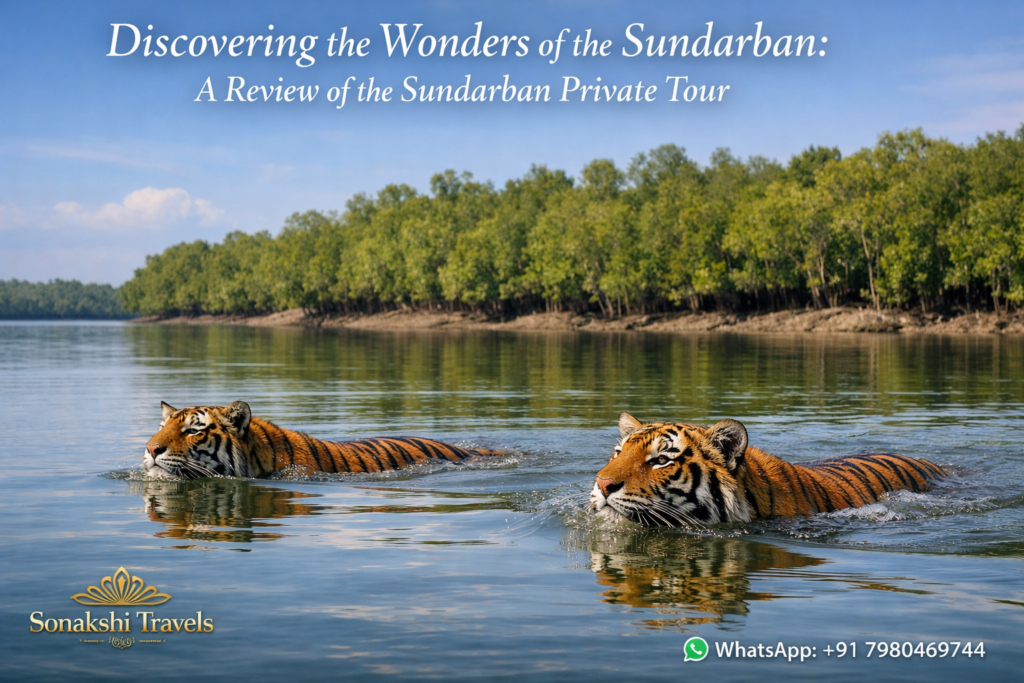
The value of a private journey into the Sundarban lies not merely in exclusivity, but in the depth of engagement it enables. In a landscape shaped by tidal rhythms, ecological fragility, and regulated access corridors, a carefully structured wilderness experience demands operational clarity and interpretive discipline. Within the broader knowledge framework available at SundarbanTravel.com, the private format emerges as a refined model—one that balances personalization, expert guidance, and environmental restraint to produce a coherent riverine immersion.
Rather than treating the delta as a checklist destination, the private structure reframes it as a layered ecological system. The emphasis shifts from coverage to comprehension, from passive viewing to calibrated observation. This review evaluates how that transformation occurs and why a personalized journey can offer qualitative advantages over conventional group-based movement.
Personalization as Structural Advantage
Flexible Pacing and Attention
In a tidal forest where navigable channels expand and narrow according to current flow, pacing determines perception. Larger departures that resemble a standard Sundarban tour typically follow synchronized movement patterns. A private arrangement, by contrast, allows tempo to respond to ecological signals. Extended pauses along quieter creeks, measured drift past mangrove edges, and deliberate anchoring when avian activity intensifies become operational possibilities.
This flexibility is functional rather than indulgent. Wildlife behavior often unfolds incrementally. Subtle shifts in water texture, variations in bird calls, or movement along sediment banks require sustained observation. The private structure grants that duration, ensuring that sightings are not interrupted by collective schedule pressure.
Curated Focus Areas

Travelers approach the delta with distinct motivations—ecological curiosity, photographic precision, contemplative retreat, or academic interest. A personalized river program integrates these preferences into route design, anchoring strategy, and interpretive depth. Unlike generalized formats, it permits thematic emphasis without dispersing attention.
For bird-focused observers, quieter waterways reduce mechanical disturbance and allow detailed species identification. Photographers benefit from careful vessel positioning relative to light and shoreline elevation. Such refinements are rarely feasible in broader itineraries structured under a typical Sundarban tour package, where collective compromise shapes daily flow.
Luxury as Environmental Calibration
Comfort Without Disruption
The association between wilderness and austerity has evolved. Within a thoughtfully designed bespoke Sundarban Private Tour experience, comfort functions as stabilization rather than spectacle. Climate-controlled cabins, ergonomic deck seating, and carefully prepared meals reduce physical fatigue, enabling travelers to sustain attention across extended observation periods.
Ecological immersion depends upon sensory acuity. When physical discomfort is minimized, awareness of ambient sound, light variation, and water movement sharpens. Refined amenities within houseboats or eco-sensitive lodges therefore support engagement rather than diminish it.
Architectural Integration
Modern private accommodations increasingly emphasize low-impact design. Structural lines echo the horizontal rhythm of water and forest, while material palettes harmonize with sediment and foliage. Solar-assisted systems and regulated waste protocols are integrated to limit environmental footprint.
Such restraint ensures that the aesthetics of a Sundarban luxury tour do not compete with the landscape. Instead, comfort remains discreet, allowing the mangrove horizon to retain visual primacy.
Wildlife Engagement Through Expertise
Interpretive Depth
The delta’s biodiversity is often summarized through emblematic references, yet meaningful engagement requires interpretive context. Experienced naturalists aboard private departures translate sightings into ecological narratives—explaining predator-prey relationships, salinity gradients, mangrove root adaptations, and migratory corridors.
A glimpse of a spotted deer becomes an entry point into grazing dynamics and sediment formation. A distant crocodile sighting evolves into discussion of estuarine survival strategies. The smaller group format enables sustained dialogue, allowing questions to be explored thoroughly rather than deferred.
Probability and Patience
Wildlife visibility is influenced by tidal timing, acoustic conditions, and vessel movement discipline. Smaller, controlled groups inherently reduce deck noise and abrupt motion. This moderated presence can extend observation windows and increase the likelihood of sustained sightings.
Equally important is the ability to remain stationary when ecological indicators suggest potential activity. In private settings, navigational adjustments respond to guide assessment rather than pre-set group timing, preserving continuity of observation.
Cultural Interaction in Controlled Scale
Respectful Community Engagement
Beyond its wildlife narrative, the delta supports resilient riverine communities whose livelihoods are intertwined with tidal cycles. Smaller private visits reduce performative dynamics that sometimes accompany larger groups. Interactions unfold with measured pace and conversational authenticity.
Discussions around fishing methods, artisanal crafts, and adaptive strategies emerge organically. Limited group size ensures that exchanges remain observational rather than intrusive, aligning visitor curiosity with community dignity.
Economic Directness
When visitor numbers are restrained, transactions for locally produced goods or services occur without overwhelming social spaces. This model supports modest economic contribution while preserving everyday rhythm. The private format thus balances experiential enrichment with structural sensitivity.
Operational Precision and Safety
Coordinated Crew Dynamics
Behind the apparent stillness of a river journey lies continuous navigational calculation. Depth variation, channel morphology, and current strength demand attentive oversight. A crew dedicated to a single party maintains focused coordination without dispersing attention across multiple guest clusters.
Safety briefings, wildlife distance protocols, and deck movement guidance are delivered with clarity when group size remains limited. Operational precision strengthens both visitor confidence and conservation compliance.
Controlled Mobility
Access to specific waterways may fluctuate according to tidal conditions. Adaptive routing becomes essential for continuity and security. A private structure allows real-time adjustments, preserving experiential flow without compromising navigational prudence.
Psychological Dimensions of Exclusivity
Attention Restoration
Environmental psychology research indicates that immersive natural settings restore directed attention capacity. The delta’s expansive water horizons and intricate mangrove geometries provide precisely such stimuli. In a private context, where social distraction is minimal, cognitive restoration intensifies.
Subtle acoustic textures—wind across leaves, distant bird calls, the rhythmic contact of tide against hull—become perceptible. The absence of crowd-generated interruption deepens sensory engagement.
Emotional Continuity
Shared experiences within smaller groups foster emotional continuity. Conversations remain coherent across the journey; reflection is not fragmented by shifting social arrangements. The landscape becomes a focal presence rather than a backdrop to coordination logistics.
Environmental Responsibility as Core Framework
Minimal Impact Practices
Responsible engagement within mangrove ecosystems requires disciplined conduct—regulated waste disposal, moderated sound levels, and strict adherence to protected zones. Operators who structure private departures around sustainability integrate these measures systematically into daily operation.
Reduced guest numbers proportionally decrease cumulative environmental pressure. Energy consumption, waste output, and deck movement all scale accordingly. Structural moderation aligns visitor presence with conservation objectives.
Conservation Awareness
Interpretive dialogue often extends beyond species identification to discussions of erosion, habitat vulnerability, and human-wildlife interface management. Such exposure cultivates informed appreciation rather than detached sightseeing. The private environment allows sustained reflection on ecological responsibility.
Evaluative Conclusion: Is It Worth It?
The measure of a private river journey lies not in ornamentation but in coherence. Personalization refines pacing; comfort stabilizes perception; expert guidance deepens understanding; controlled scale protects environmental equilibrium. These elements operate interdependently, producing a unified experiential framework.
For travelers who seek extended immersion rather than cursory exposure, a carefully curated departure—whether structured as a focused river retreat or expanded into a 2 Nights 3 Days Sundarban exploration—offers conditions under which attentiveness can flourish. The delta rewards patience and interpretive engagement.
Ultimately, the distinction rests in depth. A private format transforms the Sundarban from a landscape observed into a system understood. What endures after departure is not only memory of scenery, but a layered comprehension of one of the world’s most intricate estuarine environments.