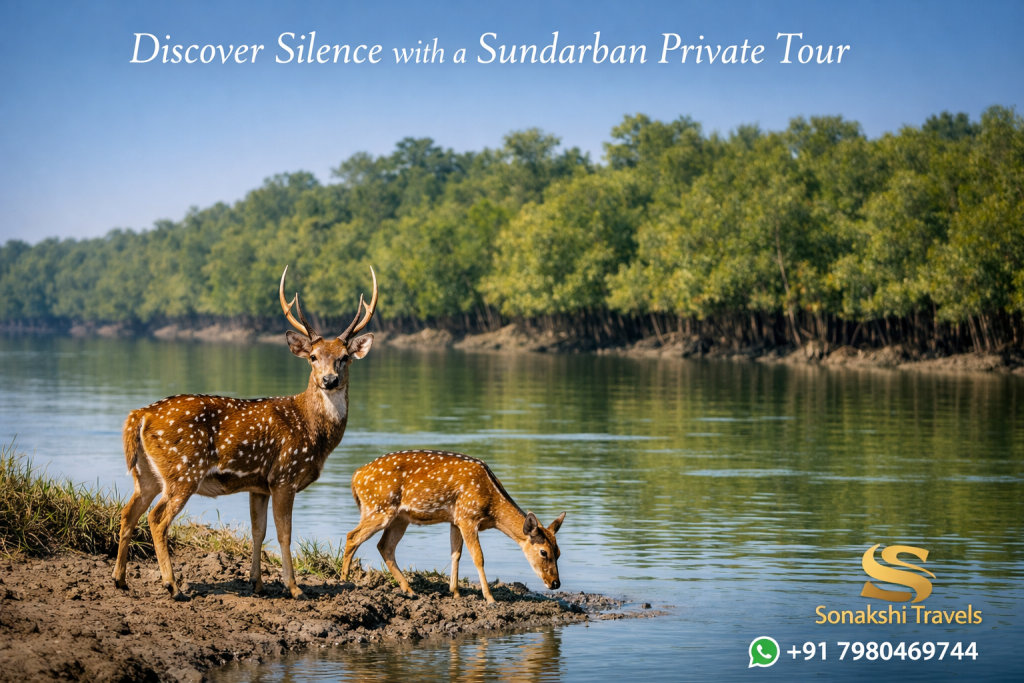
There are places where silence feels empty, and there are places where silence feels alive. The Sundarbans belong to the second kind. In this vast mangrove wilderness, quietness carries meaning. The wind moves gently across tidal rivers, birds call from hidden branches, and the rustle of mangrove leaves creates a rhythm that seems older than memory. Travelers who arrive here quickly notice that the forest speaks in whispers rather than noise.
A Sundarban private tour offers the rare chance to experience this quiet landscape without crowds or hurried schedules. Instead of moving with large groups or strict timetables, visitors travel at a slower pace. Boats glide through narrow creeks, observation towers rise above endless mangrove trees, and every moment feels personal. For many travelers, the journey becomes less about sightseeing and more about reconnecting with stillness.
A Landscape Where Silence Becomes an Experience
The Sundarbans stretch across the delta where the Ganges, Brahmaputra, and Meghna rivers meet the Bay of Bengal. This vast region forms the largest mangrove forest on earth. It is a place shaped by tides, shifting rivers, and dense vegetation that thrives in salty water. Unlike traditional forests, the Sundarbans change constantly with the movement of water.
In this environment, silence does not mean the absence of sound. Instead, it becomes a mixture of natural voices. The distant splash of a fish, the flutter of a kingfisher’s wings, or the slow movement of a boat through calm water all blend together. These quiet details often go unnoticed during crowded tours, but they become deeply meaningful when explored through a private journey.
Many travelers describe their first morning in the delta as unforgettable. Mist rises slowly from the river surface, sunlight filters through mangrove branches, and the forest appears almost dreamlike. In such moments, silence does not feel empty. It feels full of life.
Why a Sundarban Private Tour Feels Different
Travel experiences often depend on the way a destination is explored. Large group tours follow fixed routes and strict schedules. While they provide basic sightseeing opportunities, they rarely allow travelers to truly connect with the environment. A Sundarban private tourpackage changes that dynamic completely.
Private travel allows visitors to move at their own pace. Boats can pause near a quiet creek where birds gather. Guides can spend extra time explaining mangrove ecology or pointing out subtle wildlife movements. Travelers can also choose their preferred accommodation style, from comfortable eco-resorts to premium luxury stays.
The most noticeable difference, however, is the atmosphere. Without crowds or constant noise, the forest reveals its natural rhythm. This sense of calm often becomes the most memorable part of the journey.
The Gentle Rhythm of Mangrove Rivers
Water defines life in the Sundarbans. Hundreds of rivers, creeks, and tidal channels weave through the mangrove forest, creating a network of natural pathways. Boats become the primary way to explore this landscape, and each journey along the river reveals a different perspective of the forest.
During a private boat safari, travelers may glide through narrow creeks where mangrove roots rise from the water like natural sculptures. In wider rivers, the horizon opens to reveal long stretches of greenery reflecting on the water’s surface. The slow movement of the boat encourages observation. Small details—such as a heron standing quietly on a mudbank or the sudden dive of a kingfisher—become moments of discovery.
Because the rivers follow the rhythm of tides, each journey feels unique. Morning tides bring fresh water currents, while evening tides carry reflections of golden sunset light. The constant change creates a dynamic environment where silence and movement exist together.
Wildlife Encounters in a Quiet Wilderness
The Sundarbans tourism are widely known as the home of the Royal Bengal Tiger, yet the forest holds far more diversity than many visitors expect. Crocodiles rest along muddy banks, spotted deer graze near forest edges, and countless bird species move across the mangrove canopy. Dolphins occasionally appear in the tidal rivers, adding an unexpected element to boat journeys.
Wildlife sightings often depend on patience rather than speed. A Sundarban private tour allows guides to slow down and observe carefully. Instead of rushing from one location to another, travelers spend time watching the subtle movements of the forest. This approach often increases the chances of witnessing rare natural moments.
Even when large animals remain hidden, the environment itself offers remarkable beauty. The combination of mangrove roots, tidal water patterns, and birdlife creates a living ecosystem that feels both fragile and powerful.
Moments of Reflection in the Delta
Travel often becomes meaningful when it offers time for reflection. The Sundarbans provide such opportunities naturally. Without the distractions of busy cities or crowded tourist centers, visitors find space to slow down and observe their surroundings.
Many travelers choose to sit quietly on the upper deck of a safari boat during sunrise or sunset. These moments reveal the calm beauty of the delta. The river reflects changing colors of the sky, birds return to their nesting areas, and the forest gradually settles into evening silence.
In such moments, a traveler often feels less like a visitor and more like a quiet observer of nature’s rhythm.
A Short Poem from the Mangrove Silence
Soft rivers wander through emerald shade,
Mangrove roots guard secrets the tides have made.
A kingfisher flashes like a spark of blue,
While quiet winds pass where the wild once grew.
The forest speaks where voices fall still,
Each whisper carried by tidal will.
No hurried footsteps disturb the shore,
Only calm waters and ancient lore.
In silence deeper than words can show,
The Sundarbans breathe, steady and slow.
Comfort and Privacy During the Journey
Comfort plays an important role in shaping travel memories. Private tours in the Sundarbans often include carefully designed safari boats and well-managed accommodation facilities. These arrangements allow travelers to enjoy nature without sacrificing convenience.
Private boats usually provide spacious decks, shaded seating areas, and attentive crew members who guide visitors through the mangrove waterways. Meals prepared during the journey often feature fresh regional dishes that reflect the culinary traditions of Bengal. Fresh fish, seasonal vegetables, and aromatic spices create simple yet satisfying flavors.
Resorts in the region also emphasize peaceful surroundings. Many properties are located near riverbanks or village areas where the sounds of nature remain the dominant atmosphere. Travelers often wake to birdsong rather than city traffic, reinforcing the calm spirit of the journey.
Best Time to Experience the Forest Quietly
The Sundarbans remain accessible throughout most of the year, yet certain seasons provide particularly pleasant travel conditions. Winter months, from November to February, bring cooler temperatures and clear skies. These conditions make boat safaris comfortable and increase visibility across the forest landscape.
Early mornings during winter often reveal mist-covered rivers that slowly brighten with sunrise. This time of day feels almost magical for photographers and nature enthusiasts. Spring months also offer pleasant weather and active birdlife across the mangrove canopy.
Monsoon season brings dramatic beauty to the delta, though travel conditions can become unpredictable due to heavy rainfall and strong tides. Visitors planning a Sundarban private tour often prefer winter or early spring for a balanced combination of comfort and wildlife activity.
How Travelers Can Respect the Fragile Ecosystem
The Sundarbans represent one of the most delicate ecosystems on the planet. Mangrove forests protect coastal regions from storms and support countless species of plants and animals. Responsible tourism helps preserve this balance.
Visitors are encouraged to follow simple practices during their journey. Avoiding plastic waste, respecting wildlife distances, and listening carefully to local guides are small actions that contribute to conservation. Many tour operators also work with local communities, ensuring that tourism supports sustainable livelihoods in nearby villages.
When travelers approach the forest with respect, the experience becomes richer. Observing nature quietly often reveals details that loud or careless travel might miss.
A Journey That Leaves a Lasting Impression
Many destinations impress visitors with dramatic landscapes or famous landmarks. The Sundarbans create a different kind of memory. Instead of overwhelming sights, the forest leaves travelers with subtle impressions—gentle river currents, quiet bird calls, and the feeling of being surrounded by a living ecosystem.
A Sundarban private tour allows travelers to experience these impressions deeply. The journey does not rush through attractions. Instead, it encourages observation and patience. Each hour spent on the river or near the forest edge reveals new layers of beauty.
Long after the journey ends, many travelers remember the stillness they discovered in the mangrove delta. In a world often filled with constant noise and movement, the quiet wilderness of the Sundarbans offers something rare—a place where silence itself becomes the most meaningful part of the journey.