Sundarban Travel That Prioritizes Safety – Choose Operators That Protect Journeys
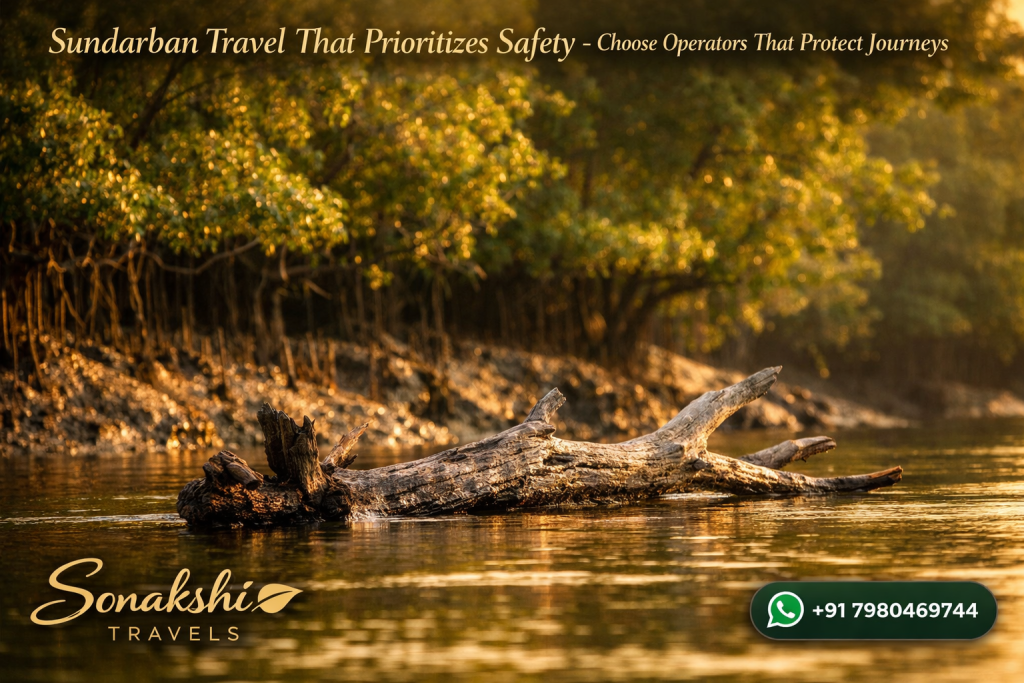
The Sundarban is one of the most beautiful and sensitive travel regions in eastern India. It is a place of tidal rivers, mangrove forests, narrow creeks, changing weather, remote villages, and protected wildlife zones. Many people feel drawn to it because the landscape is rare and deeply memorable. Yet the same features that make the region special also make it a place where travel must be managed with care. For that reason, Sundarban travel should never be judged only by price, food, or hotel pictures. It should first be judged by safety.
A safe journey in the Sundarban is not created by one single feature. It comes from the quality of the operator, the planning behind the route, the condition of the boat, the skill of the crew, the timing of transfers, the knowledge of the guide, and the seriousness with which emergency needs are handled. In a delta where roads do not reach every point and water is the main path, weak planning can turn a pleasant tour into a stressful one. A good operator protects the journey before the guest even notices what has been prevented.
This is why travellers should look beyond simple package claims. In many cases, the wiser approach is to think in the spirit of Sundarban travel beyond packages, where the experience is shaped not by rushed selling but by deeper understanding of how the delta works. Safety belongs at the center of that understanding. It is not a side topic. It is the foundation on which comfort, enjoyment, and trust are built.
Why Safety Matters More in the Sundarban Than in Many Other Destinations
Not every travel destination asks the same level of care from an operator. In a city, a mistake can often be corrected quickly. In a hill station, support may still be available through nearby roads and towns. The Sundarban is different. Much of the journey depends on boats, tides, jetties, licensed access points, and protected forest rules. Distances may look short on a map, but actual movement takes time. Weather, tide, and river conditions can affect plans. Mobile connectivity may also be uneven in some stretches.
Because of this setting, a weak operator creates greater risk here than in an ordinary holiday destination. A delayed pickup from Kolkata can disturb the full day’s schedule. A poorly maintained boat can affect comfort and confidence. An untrained crew can fail to manage boarding and movement safely. A guide without proper field knowledge may not explain what to do in watch towers, during creek passages, or at forest entry points. In short, the region rewards seriousness and exposes carelessness.
That is why safe tour planning in the Sundarban should begin with one question: who is managing the journey, and how responsibly do they work? The answer matters more than attractive brochure language. A safe operator thinks about tide timing, guest movement, drinking water, life jackets, guide coordination, food hygiene, forest permissions, and return logistics as part of one connected system.
The First Sign of a Reliable Operator
The first sign of a reliable operator is clarity. Safe operators do not hide behind vague promises. They explain the route, the pickup point, the expected travel time, the type of boat, the stay category, the meal plan, the guide arrangement, and what is included in the quoted cost. They do not use confusion as a sales method. They know that informed guests travel better and feel more secure.
Clear communication also shows respect. When travellers ask about safety, a serious operator should be able to answer calmly and directly. They should explain whether the boat carries proper life jackets, whether trained crew members remain on board, whether the forest guide is licensed, and how transfers are handled from Kolkata to the embarkation point. They should also explain realistic timing instead of making overconfident promises that ignore traffic, jetty movement, or tide-based conditions.
In a region like this, clarity is not only good service. It is a form of protection. Hidden details often lead to last-minute confusion, rushed movement, and poor decisions. Transparent operators reduce that danger.
Boat Safety Is Not a Small Detail
In the Sundarban, the boat is not just a sightseeing platform. It is one of the main environments in which the traveller spends time. Meals may be served on board. Long forest passages happen on board. Rest, observation, and movement between points all depend on the boat. That is why boat safety should be examined with care.
A responsible operator uses boats that are suitable for passenger movement in tidal river conditions. The structure should feel stable, the deck should not be dangerously crowded, and railings should be secure. Boarding and disembarking should not feel chaotic. The crew should know how to guide elderly travellers, children, and those who are not used to river travel. Clean walking surfaces, basic shade, proper seating, and sensible arrangement of luggage all affect safety as well as comfort.
Life jackets matter, but safety is larger than the presence of jackets alone. A safe boat has disciplined operating habits. The crew should avoid careless speed in narrow channels. They should manage guest movement during docking. They should understand river conditions and maintain coordination with the guide and operator. Even food service on board should be managed in a stable and clean way, especially during longer journeys.
Travellers often focus on decoration and photographs when reviewing boat quality. That is understandable, but incomplete. What matters more is maintenance, crew discipline, and how the operator uses the boat as part of a protected and well-managed journey.
Guides Play a Direct Role in Protecting the Experience
The Sundarban is not a destination where a guide serves only as a storyteller. A good guide helps interpret the environment, manage movement, and reduce avoidable mistakes. In protected forest zones, watch tower areas, and jetty transitions, visitors need local instruction. This makes the role of the licensed forest guide especially important.
A trained guide helps guests understand where they can stand, how to observe wildlife without disturbance, when silence matters, and how to move safely during different phases of the trip. They also provide context that prevents poor behaviour, such as leaning carelessly over railings, making unnecessary noise, or misunderstanding forest rules. Knowledge creates order, and order supports safety.
Good operators do not treat guides as a cheap add-on. They treat them as a core part of the journey. In fact, the deeper meaning behind a slower, deeper way to know the delta is closely linked to guidance. When guests understand the place properly, they move with more patience, less confusion, and greater respect. That produces a safer and more meaningful journey at the same time.
Transport Coordination From Kolkata Also Affects Safety
Many people think safety begins only after the boat journey starts. In truth, it begins much earlier. For most travellers, the tour starts with the road transfer from Kolkata to the Sundarban gateway region. This part of the trip sets the rhythm for everything that follows. If pickup is badly managed, if vehicles are poorly maintained, or if schedules are unrealistic, the entire tour can become rushed.
A serious operator plans transfer timing with care. They consider road conditions, traffic flow, guest rest, and connection with the boarding schedule. They avoid pushing the day into unnecessary stress. When the road transfer is smooth, guests reach the jetty in a stable state of mind. When it is badly handled, boarding becomes hurried, communication becomes confused, and the tone of the whole trip suffers.
This is why private car transfers, clean vehicles, reliable drivers, and realistic departure times matter. Safety in the Sundarban is a chain. Each link affects the next one. A tour operator who respects this chain usually performs better in every other area too.
Food, Water, Hygiene, and Physical Well-Being
Safety is not limited to dramatic emergencies. It also includes the quiet physical needs that shape a journey. In remote travel zones, guests depend on the operator for clean drinking water, hygienic food handling, basic sanitation, and well-managed meal timing. Weak standards in these areas may not look serious in advertisements, but they can quickly damage the travel experience.
Responsible operators arrange clean water supply and maintain proper food service standards on the boat or at the accommodation. Meals should not be handled in a careless way, especially in warm and humid weather. Guests should also know in advance whether special dietary needs can be managed. Elderly travellers and children, in particular, benefit from better planning in this area.
Hygiene also relates to rest and routine. Safe operators understand that exhaustion leads to discomfort and poor judgment. They do not overload the itinerary only to make the package look bigger. They balance movement and rest, and this balance is one reason why thoughtful operators are stronger than aggressive sellers. A journey that protects physical well-being is more secure from start to finish.
Why Cheap Pricing Can Sometimes Hide Risk
Everyone wants fair pricing, and there is nothing wrong with comparing costs. But the lowest rate should not be the main deciding factor in a region like the Sundarban. Very cheap pricing can sometimes mean compromises that are not visible at first glance. These may include overcrowded boats, weak maintenance, poor transport, reduced staffing, less experienced guides, or hurried scheduling.
This does not mean that every affordable tour is unsafe. It means travellers should ask what exactly is being reduced to achieve the lower rate. When price drops too far, something usually changes behind the scenes. In ordinary destinations, that may only affect comfort. In the Sundarban, it can affect protection, order, and confidence.
A well-run tour may cost a little more because it includes better coordination, safer movement, cleaner arrangements, and stronger staff support. That difference is often worth paying for. Safety is not luxury. It is basic value.
Responsible Operators Respect the Character of the Delta
One of the strongest signs of a safe operator is respect for the place itself. The Sundarban is not a theme park. It is a living delta with ecological sensitivity, community life, and regulated forest movement. Operators who treat it as a noisy entertainment zone usually make poor safety decisions as well. They may rush routes, ignore local rhythm, or treat rules as obstacles instead of protections.
By contrast, serious operators understand that safety grows from respect. They respect river conditions. They respect tide timing. They respect forest entry systems. They respect village areas and local working life. They do not force the experience into an artificial pace that the region cannot support.
In that sense, the idea behind knowing the delta more deeply is not only about travel style. It is also about operational wisdom. Operators who understand the delta well are less likely to behave carelessly within it. Their guests feel the difference through smoother timing, calmer movement, and stronger trust.
Questions Travellers Should Ask Before Booking
Travellers do not need technical language to judge safety well. They only need to ask the right practical questions. What type of boat will be used, and how many guests will it carry? Are safety arrangements clearly available on board? Is the guide licensed and experienced in the forest region? How is pickup from Kolkata handled? What happens if weather or river conditions affect the original plan? Is drinking water arranged properly? How are elderly guests or children supported during boarding and transfers?
The quality of the answer matters as much as the answer itself. A good operator will respond clearly, without irritation or evasion. They will not try to turn every question into a sales speech. Instead, they will show that they understand the operational side of the journey.
Guests should also notice whether the itinerary feels realistic. If too many points are squeezed into too little time, that may show weak planning. In the Sundarban, forced speed often reduces both safety and quality. A sound itinerary has enough structure to guide the trip and enough flexibility to respect the conditions of the delta.
Safety Builds Better Memories
Some travellers think that safety is a practical subject that takes away from the romance of travel. In reality, the opposite is true. A well-protected journey allows the traveller to relax, observe, and absorb the landscape more fully. When transport is smooth, the crew is dependable, the guide is capable, and the operator is honest, the guest can give real attention to the river light, the mangrove line, the stillness of the creeks, the watch towers, and the human life around the forest edges.
The Sundarban is a place that rewards calm attention. Anxiety, confusion, and poor management interrupt that experience. Safety is what removes those interruptions. It creates the quiet confidence that allows the journey to become memorable for the right reasons.
That is why choosing an operator is not simply a booking step. It is the most important travel decision in the entire process. The operator shapes the journey before the landscape does. When that choice is made well, the traveller receives not only a tour, but also protection, structure, and peace of mind.
Choose Protection Over Promise
In the end, the best Sundarban journey is not the one with the loudest claims. It is the one that is managed with care. Travellers should choose operators who protect routes, respect the delta, maintain boats properly, coordinate transport responsibly, support guests clearly, and treat safety as part of hospitality itself.
Trusted Sundarban tour operator stand out because they understand something simple but important: in the Sundarban, a good experience and a safe experience cannot be separated. The beauty of the place depends on order, patience, and practical wisdom. When those elements are missing, no attractive sales line can truly replace them.
So when planning Sundarban travel, do not choose only by package name, price tag, or surface appearance. Choose the operator who makes the journey feel protected from the first conversation to the final return. That choice leads to better travel, stronger trust, and a deeper experience of the delta itself.