Category: Articles

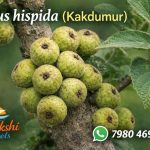
Ficus hispida (Kakdumur)

Ficus hispida (Kakdumur): Botanical Profile, Ecology, and Regional Significance   Ficus hispida, commonly known as Kakdumur, Hairy Fig, or Rough-leaved Fig, is a medium-sized deciduous to semi-evergreen tree belonging to the fig-bearing group of plants that hold exceptional ecological importance across tropical Asia. Recognized for its coarse foliage, cauliflorous fruits, and close association with riparian […]
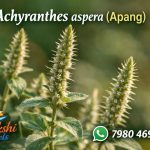

Achyranthes aspera (Apang)

Achyranthes aspera (Apang): A Comprehensive Botanical and Ecological Study   Achyranthes aspera, commonly known as Apang, Prickly Chaff Flower, or Latjira, is a perennial herbaceous plant of immense ecological, ethnobotanical, and medicinal significance across tropical and subtropical regions. Widely distributed in South Asia, Africa, and parts of Southeast Asia, this species has long been associated […]

Leucaena leucocephala (Ipil Ipil)

Leucaena leucocephala (Ipil Ipil): Botanical Characteristics, Ecology, and Environmental Relevance   Leucaena leucocephala, commonly known as Ipil Ipil, is a fast-growing leguminous tree widely distributed across tropical and subtropical regions of the world. Renowned for its multipurpose utility, this species occupies a distinctive position at the intersection of forestry, agroecology, and environmental management. Its remarkable […]

Suregada multiflora

Suregada multiflora: Botanical Description, Ecology, and Regional Significance   Suregada multiflora is a lesser-known yet ecologically meaningful woody plant species belonging to the family Euphorbiaceae. Distributed across tropical Asia, this species plays an understated but important role in forest ecosystems, particularly in semi-evergreen, moist deciduous, and mangrove-associated transitional habitats. In eastern India and parts of […]

Ricinus communis (Venna / Reri)

Ricinus communis (Venna / Reri): Botanical Profile, Ecology, and Environmental Significance   Ricinus communis, commonly known as Castor Plant, and locally referred to as Venna or Reri in many parts of eastern India, is a fast-growing perennial shrub or small tree belonging to the family Euphorbiaceae. Widely recognized for its economic, medicinal, and ecological importance, […]

Boerhavia diffusa (Punarnava)

Boerhavia diffusa (Punarnava): Botanical Identity, Ecological Adaptations, and Conservation Relevance   Boerhavia diffusa, popularly known as Punarnava in India, is a perennial creeping herb of remarkable biological resilience and ecological importance. The name โ€œPunarnava,โ€ meaning โ€œthe one that renews itself,โ€ aptly reflects the plantโ€™s extraordinary regenerative capacity and adaptive growth habit. Belonging to the family […]

Drypetes assamica (Bon Bokul)

Drypetes assamica (Bon Bokul): Botanical Identity, Forest Ecology, and Conservation Significance   Drypetes assamica, locally known in parts of eastern India and the lower Gangetic plains as Bon Bokul, is a lesser-known yet ecologically significant evergreen tree species belonging to the family Putranjivaceae. Though it does not command the visual flamboyance of many ornamental trees, […]

Calotropis procera (Swetakond)

Calotropis procera (Swetakond): Botanical Adaptations, Ecological Significance, and Conservation Insights   Calotropis procera, commonly known as Swetakond in Bengal and widely referred to as the Sodom Apple or Apple of Sodom, is a hardy perennial shrub belonging to the family Apocynaceae. This species is instantly recognizable by its thick, grey-green leaves, milky latex, and distinctive […]

Delonix regia (Krishnachura)

Delonix regia (Krishnachura): Botanical Grandeur, Ecological Functions, and Conservation Outlook   Delonix regia, popularly known as Krishnachura in Bengal and widely referred to as the Flame Tree or Gulmohar, is one of the most visually striking flowering trees of the tropical world. Celebrated for its brilliant scarlet-red blossoms and expansive umbrella-shaped canopy, this species has […]

Acacia nilotica (Babla)

Acacia nilotica (Babla):   Botanical Characteristics, Ecological Significance, and Conservation Perspectives   Acacia nilotica, commonly known as Babla in eastern India, is a robust, thorny tree species of exceptional ecological, economic, and cultural importance. Belonging to the legume family, this species has been an integral component of tropical and subtropical landscapes for centuries. From riverbanks […]