Croton bonplandianus: Botanical Characteristics, Ecological Behavior, and Regional Significance Croton bonplandianus is a fast-growing herbaceous plant belonging to the family Euphorbiaceae, widely known for its aggressive colonization of disturbed landscapes. Often categorized as a ruderal or invasive species, this plant has become a common feature of roadsides, fallow lands, embankments, and agricultural margins across […]
Category: Articles
Pouzolzia zeylanica (Kullaruki)
Pouzolzia zeylanica (Kullaruki): A Detailed Botanical and Ecological Study Pouzolzia zeylanica, commonly known as Kullaruki, is a lesser-known yet ecologically significant herbaceous plant species widely distributed across tropical and subtropical regions of South and Southeast Asia. Belonging to the nettle family, this species occupies an important niche in forest undergrowth, riparian zones, and semi-disturbed […]
Ficus benjamina
Ficus benjamina: Botanical Characteristics, Ecological Importance, and Regional Relevance Ficus benjamina, widely known as the Weeping Fig, is a graceful evergreen tree belonging to the family Moraceae. Distinguished by its arching branches, glossy foliage, and remarkable adaptability, the species has achieved global recognition both as an ornamental plant and as a naturally occurring forest […]
Ficus benghalensis (Bot / Jhuribot)
Ficus benghalensis (Bot / Jhuribot): Botanical Characteristics, Ecological Role, and Cultural Significance Ficus benghalensis, commonly known as Bot or Jhuribot in Bengal and widely recognized as the Banyan tree, is one of the most majestic and ecologically influential tree species of the Indian subcontinent. Renowned for its immense canopy, aerial prop roots, and exceptional […]
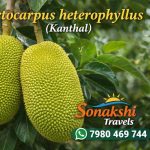
Artocarpus heterophyllus (Kanthal)
Artocarpus heterophyllus (Kanthal): Botanical Characteristics, Ecological Importance, and Regional Significance Artocarpus heterophyllus, popularly known as Kanthal or Jackfruit tree, is one of the most iconic tropical fruit-bearing trees of South and Southeast Asia. Beyond its culinary value, the species holds immense ecological, cultural, and economic importance. As the national fruit of Bangladesh and a […]
Trema orientalis (Banjiga)
Trema orientalis (Banjiga): Ecological Significance, Biology, and Presence in the Sundarbans Trema orientalis, commonly known as Banjiga, Indian charcoal tree, or pigeonwood, is a fast-growing tropical tree species widely distributed across Asia, Africa, and the Pacific. Recognized for its exceptional adaptability, this species plays a vital role in early forest succession, soil stabilization, and […]
Litsea glutinosa (Menda)
Litsea glutinosa (Menda): Botanical Characteristics, Ecological Role, and Distribution in Deltaic Forests Litsea glutinosa, commonly known as Menda, is a medium-sized evergreen to semi-evergreen tree belonging to the laurel family. Widely distributed across tropical Asia, this species holds both ecological and ethnobotanical importance. In coastal and deltaic landscapes such as the Sundarbans, Litsea glutinosa […]
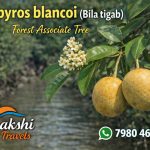
Diospyros blancoi (Bila tigab)
Diospyros blancoi (Bila tigab): Botanical Characteristics, Ecological Importance, and Regional Presence Diospyros blancoi, locally known as Bila tigab, is a distinctive evergreen tree species belonging to the ebony family. Revered for its dense wood, ornamental foliage, and ecological adaptability, this species occupies a significant yet understated role within tropical and subtropical forest ecosystems. In […]
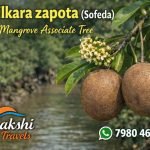
Manilkara zapota (Sofeda)
Manilkara zapota (Sofeda): Botanical Characteristics, Ecological Functions, and Presence in the Sundarbans Manilkara zapota, commonly known as Sofeda or Sapodilla, is a long-lived evergreen tree valued for its hardy nature, dense timber, and ecologically adaptable growth. Native to tropical regions, this species has become an integral component of coastal and semi-coastal landscapes, particularly in […]
Finlaysonia obovata (Mamakola)
Finlaysonia obovata (Mamakola): Botanical Characteristics, Habitat Ecology, and Conservation Importance Finlaysonia obovata, locally known as Mamakola, is a rare and ecologically significant mangrove-associated climber found in tropical estuarine forests of South and Southeast Asia. Unlike dominant mangrove trees that shape the forest skyline, this species occupies a quieter but equally vital niche within the […]