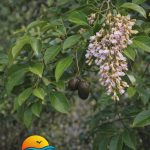
Cerbera odollam (Dahur / Dakur): A Toxic Mangrove Associate with Profound Ecological Significance Cerbera odollam, locally known as Dahur or Dakur, is a remarkable coastal tree species deeply embedded in the ecological fabric of tropical estuarine forests. Belonging to the family Apocynaceae, this species is widely recognized for its potent toxicity, glossy evergreen foliage, […]
Category: Articles
Dolichandrone spathacea (Garshingia)
Dolichandrone spathacea (Garshingia): Botanical Identity, Ecology, and Conservation Significance in the Sundarbans Dolichandrone spathacea, locally known as Garshingia, is a distinctive coastal tree species strongly associated with mangrove and mangrove-adjacent ecosystems across tropical Asia. Though not a true mangrove, this species plays a crucial ecological role within intertidal and estuarine landscapes, particularly in the […]
Pongamia pinnata (Koromja / Karanja)
Pongamia pinnata (Koromja / Karanja): A Comprehensive Botanical and Ecological Study of a Coastal Leguminous Tree Pongamia pinnata, commonly known as Koromja or Karanja, is a medium-sized evergreen to semi-evergreen tree belonging to the legume family. Widely distributed across tropical and subtropical regions, this species is particularly valued for its exceptional ecological adaptability, nitrogen-fixing […]
Cynometra ramiflora (Shingra)
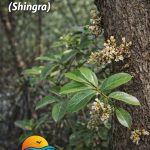
Cynometra ramiflora (Shingra): A Comprehensive Botanical and Ecological Profile of a Mangrove-Associated Tree Cynometra ramiflora, locally known as Shingra, is a medium-sized evergreen tree belonging to the legume family and is widely recognized as an important component of tropical coastal forests and mangrove-associated ecosystems. The species is notable for its robust tolerance to waterlogged […]
Acanthus volubilis (Lata Hargoza)
Acanthus volubilis (Lata Hargoza): A Comprehensive Botanical and Ecological Study of a Mangrove-Associated Climber Acanthus volubilis, locally known as Lata Hargoza, is a distinctive climbing shrub belonging to the family Acanthaceae. This species is closely associated with coastal wetlands, estuarine margins, and mangrove ecosystems, where it thrives under conditions of fluctuating salinity, tidal inundation, […]
Sphenoclea zeylanica
Sphenoclea zeylanica: A Detailed Botanical and Ecological Account of a Tropical Wetland Herb Sphenoclea zeylanica is a distinctive wetland plant widely distributed across tropical Asia and other warm regions of the world. Recognized for its dense, cone-shaped inflorescence and strong association with marshy and seasonally inundated landscapes, this species occupies a unique position among […]
Hygrophila quadrivalvis
Hygrophila quadrivalvis: A Comprehensive Botanical and Ecological Study Hygrophila quadrivalvis is a semi-aquatic herbaceous plant widely distributed across tropical and subtropical wetland ecosystems of South and Southeast Asia. This species is particularly valued for its ecological adaptability, rapid growth in waterlogged soils, and its long-recognized importance in traditional medicinal practices. Flourishing in marshes, floodplains, […]
Mucuna gigantea (Bara Alkushi)
Mucuna gigantea (Bara Alkushi): A Detailed Botanical and Ecological Account Mucuna gigantea, locally known as Bara Alkushi, is a robust, woody climber belonging to the legume family and is widely recognized for its vigorous growth, ecological resilience, and striking floral display. This species is an important component of tropical coastal forests, riverine thickets, and mangrove-associated […]
Centella asiatica (Thankuni)
Centella asiatica (Thankuni): A Comprehensive Botanical and Ecological Overview Centella asiatica, widely known as Thankuni in eastern India and Bangladesh, is a low-growing perennial herb revered for its remarkable medicinal, ecological, and cultural significance. Often associated with wetlands, marshy grounds, and riverine landscapes, this plant thrives in moist tropical environments and has been an […]
Manilkara zapota (Sofeda)
Manilkara zapota (Sofeda): A Comprehensive Botanical and Ecological Study Manilkara zapota, commonly known as Sofeda or sapodilla, is a slow-growing evergreen tree of immense botanical, ecological, and socio-economic importance. Native to tropical regions, this species is best known for its sweet edible fruits; however, beyond horticulture, Manilkara zapota plays a meaningful role in forest ecosystems, […]