Category: Flora & Fauna

Lindernia anagallis (Panighas)

Lindernia anagallis (Panighas): A Detailed Botanical and Ecological Study with Reference to the Sundarbans Lindernia anagallis, locally known as Panighas, is a small but ecologically significant wetland herb widely distributed across tropical and subtropical Asia. Though often overlooked due to its modest stature and ephemeral growth habit, this species plays a subtle yet essential role […]
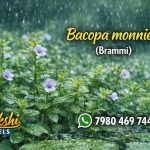
Bacopa monnieri (Brammi)

Bacopa monnieri (Brammi): A Comprehensive Biological and Ecological Study of a Sacred Wetland Herb   Bacopa monnieri, commonly known as Brammi, is a creeping, succulent aquatic herb of profound biological, ecological, and cultural significance across South and Southeast Asia. Renowned for its long-standing association with traditional knowledge systems, wetland ecology, and freshwater landscapes, this species […]

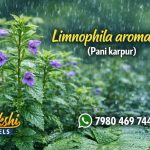
Limnophila aromatica (Pani Karpur)

Limnophila aromatica (Pani Karpur): A Detailed Biological and Ecological Study of an Aromatic Wetland Herb   Limnophila aromatica, locally known as Pani Karpur, is a highly aromatic, semi-aquatic herb widely distributed across tropical and subtropical Asia. Revered for its distinctive fragrance, medicinal relevance, and ecological importance, this species is an integral component of freshwater wetlands, […]

Nymphaea nouchali (Nilshapla)

Nymphaea nouchali (Nilshapla): A Comprehensive Biological and Ecological Profile of the Blue Water Lily   Nymphaea nouchali, popularly known as Nilshapla or the Blue Water Lily, is one of the most visually striking and ecologically important aquatic flowering plants of South Asia. Celebrated for its serene blue to violet blossoms floating gracefully on calm waters, […]

Asplenium polyodon (Bon Dhekia)

Asplenium polyodon (Bon Dhekia): A Comprehensive Botanical and Ecological Study   Asplenium polyodon, locally known as Bon Dhekia in parts of eastern India and Bangladesh, is a graceful evergreen fern belonging to the family Aspleniaceae. Distinguished by its elongated fronds, glossy leaf surface, and preference for shaded, moisture-rich habitats, this species is a characteristic component […]

Cyclosorus dentatus (Bish dhekia)

Cyclosorus dentatus (Bish Dhekia): A Comprehensive Botanical and Ecological Review   Cyclosorus dentatus, commonly known as Bish Dhekia in eastern India and parts of Bangladesh, is a moisture-loving fern species widely associated with tropical wetlands, floodplains, and lowland freshwater ecosystems. The species is notable for its robust growth, distinctive dentate pinnae margins, and strong ecological […]

Cyclosorus crinipes (Bish Dhekia)

Cyclosorus crinipes (Bish Dhekia): A Detailed Botanical, Ecological and Regional Study   Cyclosorus crinipes, commonly referred to as Bish Dhekia in parts of eastern India and northeastern Bangladesh, is a semi-aquatic fern species closely associated with wetlands, marshlands, and seasonally inundated landscapes. Though less widely consumed than other edible ferns, Bish Dhekia is deeply interwoven […]

Ampelopteris prolifera (Dhekia Shak)

Ampelopteris prolifera (Dhekia Shak): A Comprehensive Botanical and Ecological Study   Ampelopteris prolifera, widely known as Dhekia Shak in eastern India and Bangladesh, is a semi-aquatic fern of exceptional ecological and cultural importance. Traditionally consumed as a leafy vegetable and deeply embedded in regional ethnobotanical practices, this fern occupies wetlands, marshy fields, and riverine floodplains […]

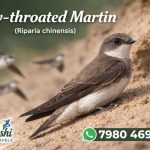
Gray-throated Martin (Riparia chinensis)

Gray-throated Martin (Riparia chinensis): A Comprehensive Study of Biology, Ecology, and Adaptations   The Gray-throated Martin (Riparia chinensis) is a subtle yet ecologically significant member of the swallow family, widely distributed across South and Southeast Asia. Often overlooked due to its understated plumage and swift aerial habits, this species represents a refined evolutionary design optimized […]