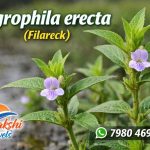
Hygrophila erecta (Filareck): An In-depth Botanical, Ecological and Conservation Study Hygrophila erecta, locally known in parts of eastern India as Filareck, is a moisture-loving herbaceous plant belonging to the family Acanthaceae. Although often overlooked due to its modest stature and inconspicuous appearance, this species plays an important ecological role within wetland systems, floodplains, and […]
Category: Flora & Fauna
Excoecaria agallocha (Gewa)
Excoecaria agallocha (Gewa): A Detailed Study of Mangrove Biology, Habitat Adaptation and Ecological Role Excoecaria agallocha, commonly known as Gewa in the Sundarbans region and widely referred to as the βblind-your-eye mangrove,β is a distinctive and ecologically important mangrove-associated tree species of tropical coastal zones. This species is renowned not only for its resilience […]
Lindernia pusilla (Pusichapra)
Lindernia pusilla (Pusichapra): Botanical Identity, Habitat Ecology and Significance in Wetland Landscapes Lindernia pusilla, locally known in parts of eastern India and Bengal as Pusichapra, is a delicate yet ecologically meaningful herbaceous plant associated with seasonal wetlands, lowland paddy margins, and alluvial floodplains. Though often overlooked due to its minute stature, this species plays […]
Ceriops decandra
Ceriops decandra: Botanical Identity, Mangrove Ecology, and Conservation Importance in Tropical Estuarine Systems Ceriops decandra is a true mangrove species of high ecological importance, belonging to the family Rhizophoraceae. It is widely recognized as a characteristic component of Indo-Pacific mangrove forests, particularly in deltaic and estuarine environments where salinity gradients, tidal inundation, and anaerobic soils […]
Lindernia pusilla (Pusichapra)
Lindernia pusilla (Pusichapra): Botanical Description, Wetland Ecology, and Conservation Significance in Deltaic Landscapes Lindernia pusilla, locally known as Pusichapra, is a delicate, small-sized herbaceous plant belonging to the family Linderniaceae. Despite its modest appearance and diminutive stature, this species plays a crucial ecological role in wetland ecosystems, particularly in seasonally inundated plains, paddy fields, marshes, […]
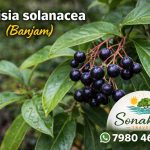
Ardisia solanacea (Banjam)
Ardisia solanacea (Banjam): Botanical Characteristics, Ecological Importance, and Conservation Context of a Mangrove-Associated Shrub Ardisia solanacea, commonly known as Banjam, is a robust evergreen shrub belonging to the family Primulaceae. Widely distributed across tropical and subtropical regions of South and Southeast Asia, this species holds particular ecological relevance in moist forest margins, riverbanks, and mangrove-adjacent […]
Finlaysonia obovata (Mamakola)
Finlaysonia obovata (Mamakola): Botanical Identity, Ecology, and Conservation Significance in Tropical Mangrove Landscapes Finlaysonia obovata, locally known as Mamakola, is a lesser-known yet ecologically significant mangrove-associated climber belonging to the family Apocynaceae. Although it rarely attracts attention due to its non-timber nature and inconspicuous appearance, this plant plays an essential functional role within estuarine […]
Polyalthia longifolia (Debdaru)
Polyalthia longifolia (Debdaru): Botanical Characteristics, Ecology, and Landscape Significance Polyalthia longifolia, popularly known as Debdaru, Indian Mast Tree, or Ashoka (False Ashoka), is a tall, elegant evergreen tree widely cultivated and naturalized across tropical South Asia. Revered for its columnar form, pendulous foliage, and remarkable adaptability to varied environmental conditions, this species holds both […]
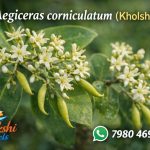
Aegiceras corniculatum (Kholshi)
Aegiceras corniculatum (Kholshi): A Detailed Botanical and Ecological Study of a True Mangrove Species Aegiceras corniculatum, locally known as Kholshi, is a true mangrove species of exceptional ecological importance in tropical and subtropical estuarine systems. Characterized by its salt tolerance, distinctive curved fruits, and adaptability to tidal inundation, this evergreen shrub or small tree […]
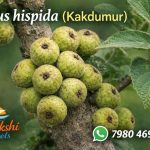
Ficus hispida (Kakdumur)
Ficus hispida (Kakdumur): Botanical Profile, Ecology, and Regional Significance Ficus hispida, commonly known as Kakdumur, Hairy Fig, or Rough-leaved Fig, is a medium-sized deciduous to semi-evergreen tree belonging to the fig-bearing group of plants that hold exceptional ecological importance across tropical Asia. Recognized for its coarse foliage, cauliflorous fruits, and close association with riparian […]