Essential Things to Know Before You Visit Sundarban
– A Detailed Travel Planning Guide
The Sundarban is not a conventional wildlife destination. It is a dynamic tidal ecosystem where land and water merge into a constantly shifting delta.Travellers exploring Sundarban Travel resources often discover that preparation plays a decisive role in shaping the quality of their journey.
Anyone planning to visit Sundarban must understand that this is a river-based forest landscape. Unlike terrestrial safaris, exploration happens through regulated waterways, watchtowers, and designated creeks. Climate, tidal patterns, permits, accommodation location, and travel duration all influence the experience. The following guide presents structured, research-oriented insights to help you plan a meaningful and responsible journey.
Understanding the Geography of the Sundarban Delta
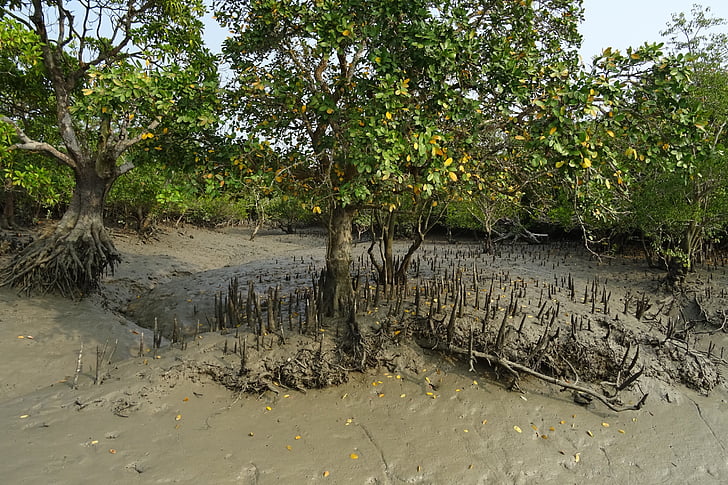
The Sundarban stretches across southern West Bengal into Bangladesh, forming the lower deltaic zone before the rivers meet the Bay of Bengal. The terrain consists of interlaced tidal rivers, narrow creeks, mudflats, estuarine channels, and densely packed mangrove vegetation. More than 100 islands shape this region, some inhabited and others designated as protected forest zones.
Within the Indian portion lies the Sundarban Tiger Reserve, divided into core, buffer, and tourism-accessible areas. Entry requires forest permits, and all movement within the protected zone is monitored. Visitors do not trek inside the forest; instead, observation is conducted from boats and authorized watchtowers.
The Role of Tides in Wildlife Movement
The Sundarban ecosystem is governed by tidal rhythms. Twice daily, rising and receding tides reshape mudbanks and creek patterns. These fluctuations influence animal movement, particularly of deer, wild boar, crocodiles, and occasionally tigers approaching water edges. When arranging a customized Sundarban Private Tour, experienced planners often align boat routes with tide charts to optimize wildlife observation opportunities.
How to Reach Sundarban – Access Routes Explained
The Sundarban has no direct airport or railway station. Travel involves a combination of road and boat transfers.
Road Journey from Kolkata
Most travellers begin from Kolkata, travelling by road to entry points such as Canning, Sonakhali, Godkhali, or Namkhana. From these gateways, motorized boats transport visitors through river channels toward designated tourism zones.
River-Based Expeditions
Premium travellers sometimes choose river cruise-style journeys starting closer to Kolkata. These itineraries emphasize privacy, onboard comfort, and curated wildlife interpretation, forming part of high-end eco-travel experiences.
Accommodation Types – Choosing the Right Stay
Accommodation in the Sundarban is typically located on inhabited islands bordering the protected forest. Popular stay locations include Pakhiralay, Dayapur, Bali Island, and Gosaba.
Eco-Lodges and Standard Resorts
These properties prioritize sustainability and community engagement. Basic yet comfortable rooms, regional cuisine, and guided boat safaris form the core of such programs. Many visitors exploring a structured Sundarban Tour choose this format for balanced affordability and immersion.
Premium and Boutique Stays
For travellers seeking enhanced privacy and personalized service, boutique resorts offer air-conditioned rooms, dedicated naturalists, curated dining, and limited-guest environments. These experiences often align with bespoke eco-luxury travel preferences.
Boat-Based Overnight Options
Select itineraries include overnight stays aboard equipped vessels. Such arrangements allow early access to creek systems and reduce daily transfer time, increasing wildlife exploration windows.
Wildlife and Biodiversity – Ecological Significance
The Sundarban supports over 6,000 plant species and approximately 400 wildlife species, making it one of South Asia’s most ecologically significant regions.
Royal Bengal Tiger Adaptations
The mangrove-adapted Royal Bengal Tiger is the forest’s most iconic resident. Unlike inland populations, these tigers are capable swimmers and navigate tidal creeks efficiently. Sightings are rare yet possible from designated watchtowers and riverbanks.
Reptiles, Aquatic Species, and Estuarine Life
Saltwater crocodiles, water monitor lizards, mudskippers, terrapins, and diverse fish species inhabit the waterways. The estuarine ecosystem supports complex food chains shaped by salinity gradients.
Avifauna and Migratory Birds
Winter transforms the Sundarban into a birdwatcher’s landscape. Kingfishers, herons, egrets, Brahminy kites, sandpipers, and migratory ducks frequent mudflats and creeks.
Safety Protocols and Forest Regulations
The Sundarban Tiger Reserve operates under strict conservation guidelines. Visitors must adhere to regulations designed to protect both wildlife and human life.
Travel only with authorized forest guides.
Carry valid entry permits.
Avoid littering and single-use plastics.
Maintain silence during wildlife observation.
Refrain from disembarking outside approved zones.
Organized itineraries typically handle permit processing and ensure regulatory compliance before entry.
What to Pack for a Comfortable Sundarban Experience
Preparation significantly influences comfort levels during a delta expedition.
Lightweight cotton clothing in neutral shades
Full-sleeved shirts and trousers
Comfortable footwear with grip
Hat, sunglasses, and sunscreen
Reusable water bottle
Binoculars and zoom camera
Personal medication and basic first-aid supplies
Electronics should be protected from moisture due to constant humidity and occasional splashes during boat movement.
Responsible Tourism and Conservation Awareness
The Sundarban ecosystem faces rising sea levels, soil salinity shifts, and frequent cyclonic activity. Sustainable tourism plays a role in preserving this fragile landscape.
Community Participation
Supporting locally operated lodges, hiring trained local guides, and purchasing handicrafts contribute to economic resilience among island communities.
Reducing Environmental Footprint
Choosing eco-conscious operators, minimizing plastic waste, and respecting wildlife boundaries are essential aspects of responsible travel.
Ideal Duration for a Meaningful Visit
While short excursions are possible, immersive exploration requires adequate time. A well-structured Sundarban 2 Nights 3 Days Tour Package typically allows visitors to explore major watchtowers such as Sajnekhali, Sudhanyakhali, and Dobanki, while also experiencing village life and cultural interactions.
Extended stays of three to four nights provide flexibility for birding, photography, and tide-aligned safari planning.
Cultural Landscape and Local Traditions
The Sundarban is home to resilient island communities whose livelihoods revolve around fishing, agriculture, honey collection, and small-scale trade. Bonbibi worship, folk songs, and river rituals form an integral part of the region’s identity. Engaging respectfully with local culture enriches the journey beyond wildlife observation.
Final Considerations Before You Visit Sundarban
The Sundarban rewards patience and informed exploration. Its beauty lies not in guaranteed wildlife sightings but in the quiet interplay of river currents, mangrove roots, and subtle ecological rhythms. Careful planning, compliance with forest guidelines, and choosing appropriate travel duration enhance both safety and satisfaction.
Travellers who approach this mangrove wilderness with awareness and preparation experience not merely a tour, but a deeper understanding of one of the world’s most complex delta ecosystems.