Private Sundarban Tour vs Group Tour Experience
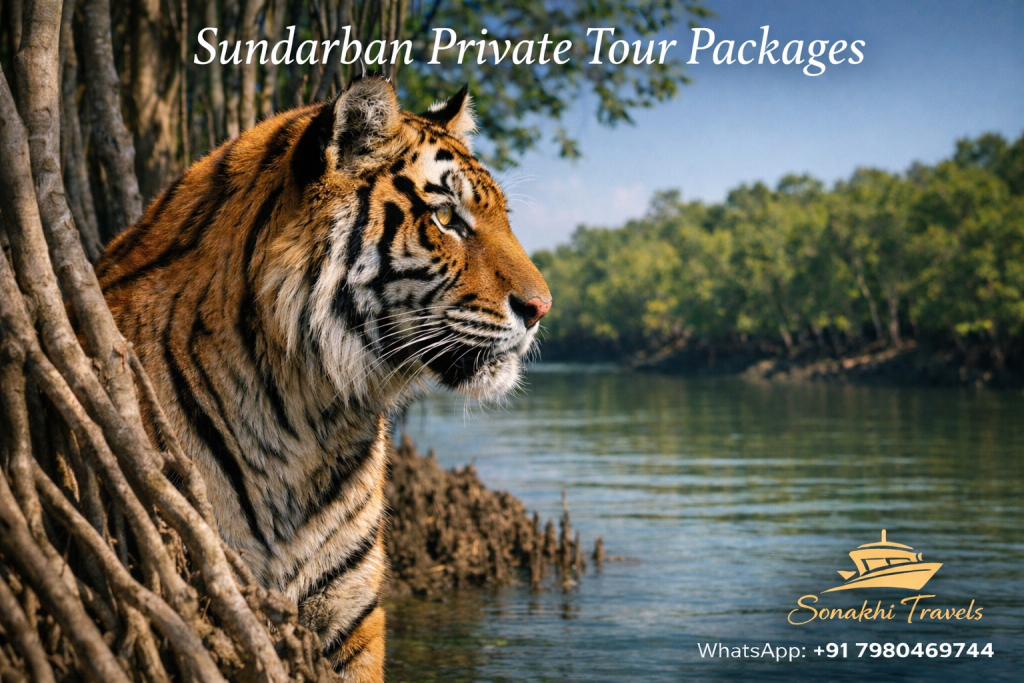
The Sundarbans are not a landscape that reveals themselves in haste. This immense mangrove delta, shaped by tidal rhythm and layered silence, responds differently to each visitor. Some arrive in shared boats filled with conversation and collective excitement. Others step onto quieter decks where space, flexibility, and personal pace define the journey. The difference between a private Sundarban tour vs group tour experience is not limited to price or comfort. It reflects how you wish to observe rivers, wildlife, and the slow unfolding of time within a protected ecosystem.
For travelers planning their visit through reliable regional resources such as Sundarban Travel, the decision between private and group arrangements becomes one of the earliest and most influential choices. It affects viewing conditions, scheduling flexibility, privacy, safety perception, and the depth of emotional memory. Understanding these distinctions allows you to select not merely a tour format, but a travel approach aligned with your expectations.
Understanding the Structure of a Sundarban Tour
Before comparing formats, it is essential to understand how a typical Sundarban tour operates. The region functions within a regulated forest framework. Entry permits, licensed vessels, designated watchtower stops, and forest department guidelines define all itineraries. Visitors usually travel by road from Kolkata to an embarkation point, then board motorized boats that navigate narrow creeks and wide tidal rivers under strict supervision.
In a group arrangement, multiple travelers share transport, boat space, guide services, and fixed departure times. Meals are served collectively, and cabins are allocated according to booking category. In contrast, a privately arranged journey reserves the vessel and support staff exclusively for one family or travel unit. While official routes remain consistent due to regulation, the onboard experience, timing, and pace shift noticeably.
Atmosphere Onboard: Shared Energy vs Personal Space
Atmosphere forms one of the clearest contrasts in the private Sundarban tour vs group tour experience. Group departures often carry vibrant energy. Fellow passengers exchange introductions, celebrate wildlife sightings together, and share mealtimes in a lively setting. For solo visitors or budget travelers, this communal structure can feel welcoming and socially rewarding.
Yet the Sundarbans themselves move quietly. Deer step cautiously onto muddy banks. Kingfishers cross narrow channels in swift flashes of blue. Crocodiles rest in near-complete stillness. In a private setting, maintaining silence becomes easier. Conversations soften. There is no need to match the enthusiasm of unfamiliar companions. Families traveling with children often appreciate this calmer environment, as they can relax without concern about disturbing others.
Picture a mist-covered dawn safari. On a shared vessel, cameras rise simultaneously and whispers travel across the deck. On a private boat, you may simply remain still, listening to water brush against the hull. Both experiences hold value. Their emotional texture differs.
Flexibility and Control of Schedule
Flexibility strongly influences the private Sundarban tour vs group tour experience. Group itineraries follow fixed timelines to accommodate all participants. Departure times, watchtower visits, and meal breaks must remain consistent. If one traveler wishes to extend a photography stop, adjustments are rarely possible.
Private journeys allow more subtle modifications within forest rules. Boats can pause longer near active wildlife zones. Afternoon routes may be shortened for elderly travelers. Meal timing can shift slightly without affecting others. This structure aligns particularly well with travelers booking curated formats such as a structured Sundarban tour package designed around specific comfort preferences.
Those who appreciate predictable scheduling may find group formats efficient and uncomplicated. Travelers who value autonomy and adaptive pacing often prefer private arrangements. The core difference lies in who controls the day’s rhythm.
Wildlife Viewing Experience
The Sundarbans are internationally recognized for the Royal Bengal Tiger, though sightings remain rare and never guaranteed. More commonly, visitors observe spotted deer, wild boar, estuarine crocodiles, river dolphins, and migratory birds. While both tour types follow approved navigation corridors, viewing conditions can feel distinct.
In group settings, deck areas may become crowded during wildlife appearances. Viewing angles can narrow as passengers reposition for photographs. For many visitors, the shared excitement enhances the moment and creates collective anticipation.
During a privately guided Sundarban tour experience, deck movement is easier to coordinate. The guide can quietly adjust boat positioning. Photographers gain clearer lines of sight. If a fishing cat crosses a distant mudbank, the vessel can remain steady without competing requests. In ecosystems where minimal disturbance influences animal behavior, quieter observation sometimes results in longer viewing windows.
For travelers deeply interested in ecology and patient wildlife tracking, the controlled atmosphere of a private arrangement often feels more aligned with their priorities.
Cost Considerations and Value Perception
Financial structure remains a practical component of the private Sundarban tour vs group tour experience. Group tours distribute operational costs among multiple participants. Fuel, transport, guide services, and crew salaries are collectively shared, resulting in more accessible pricing.
Private tours require full vessel allocation regardless of group size. Naturally, overall cost increases. Yet value depends on context. A family of four dividing private expenses may discover that the enhanced privacy and schedule control justify the additional investment. Travelers seeking premium amenities frequently compare these arrangements to a Sundarban luxury tour, where comfort and exclusivity are primary considerations.
Budget-conscious visitors often favor shared departures for economic efficiency. Others prioritize personal space over cost. The perception of value varies with expectation.
Comfort, Accommodation, and Dining Experience
Most itineraries combine boat safaris with eco-resort accommodation near the forest fringe. In group formats, room categories are typically pre-assigned, and dining follows fixed buffet schedules designed to serve many guests efficiently.
Private arrangements may allow greater room category flexibility and easier dietary adjustments. Onboard service also feels more focused. With fewer passengers, crew members can respond quickly to small requests without logistical delay. Even simple details such as afternoon tea timing or shaded seating adjustments become smoother.
For couples celebrating milestones or travelers considering a shorter curated stay like a 1 Night 2 Days Sundarban tour, private formats often create a more relaxed rhythm. Evenings unfold at a natural pace, without background noise from multiple tables.
Safety Perception and Family Travel
All licensed operators within the Sundarbans adhere to regulated safety protocols, including certified crew members and mandatory life jackets. From a regulatory standpoint, both group and private formats maintain required standards.
Emotional reassurance, however, can differ. Families traveling with elderly parents or young children often feel more at ease in a private environment. Movement on deck is easier to supervise. Rest periods can be accommodated without disrupting others. The sense of personal oversight increases, even though official safety measures remain consistent.
In shared formats, coordination among many participants occasionally creates minor unpredictability. While still safe, the perception of control feels reduced compared to exclusive arrangements.
Photography and Creative Exploration
The tidal landscape of the Sundarbans offers remarkable photographic variation. Morning mist softens river edges. Afternoon light intensifies reflections. Birds perch briefly before vanishing into dense mangrove foliage.
Private journeys allow photographers to request slower navigation within permissible zones. Boat angles can be adjusted gradually. Equipment placement remains undisturbed. Silence improves concentration. For hobbyists, group tours still provide meaningful opportunities. For serious enthusiasts, reduced crowding enhances creative focus.
The private Sundarban tour vs group tour experience becomes particularly significant for those seeking immersive visual storytelling rather than casual snapshots.
Emotional Connection and Travel Memory
Beyond logistics and cost, the private Sundarban tour vs group tour experience shapes memory differently. Group travel builds shared narratives among unfamiliar companions. Evening cultural programs, collective anticipation during wildlife searches, and communal meals generate a social imprint.
Private travel cultivates inward reflection. Conversations feel uninterrupted. Couples observe sunsets in silence. Families share quiet moments without external distraction. The forest becomes less of a spectacle and more of a personal encounter.
Consider two friends who visited separately. One joined a lively group and returned with stories of laughter and new connections. The other traveled privately with his father. They spoke little during the journey, yet one evening dolphins surfaced beside their boat under fading light. Years later, that quiet scene remained his strongest memory. Neither approach was superior. Each reflected intention.
A Reflection in Verse
Where river bends and tide runs slow,
Where mangroves breathe in twilight glow,
One deck hums with shared delight,
Another drifts in softened light.
Voices rise or silence stays,
Both are honest forest ways.
The creeks remember every tone,
Whether many stand or one alone.
However you choose the path you roam,
The delta shapes what you call home.
Choosing What Fits Your Travel Intention
When weighing a private Sundarban tour vs group tour experience, clarity of purpose matters more than comparison charts. If you value social interaction and economic efficiency, a shared format may align well with your expectations. Meeting fellow travelers and sharing wildlife anticipation can enrich the journey.
If quiet observation, flexible timing, and uninterrupted family bonding feel more important, a private arrangement offers greater alignment. It provides autonomy without isolation and comfort without crowd pressure.
The Sundarbans do not insist on one correct style of travel. They respond instead to patience and attentiveness. Whether you stand among companions on a shared deck or lean quietly against a private railing, the mangrove forest continues at its own pace. The difference lies not in the landscape itself, but in how you choose to move through it.