Sundarban Standard Hilsa Festival 2026
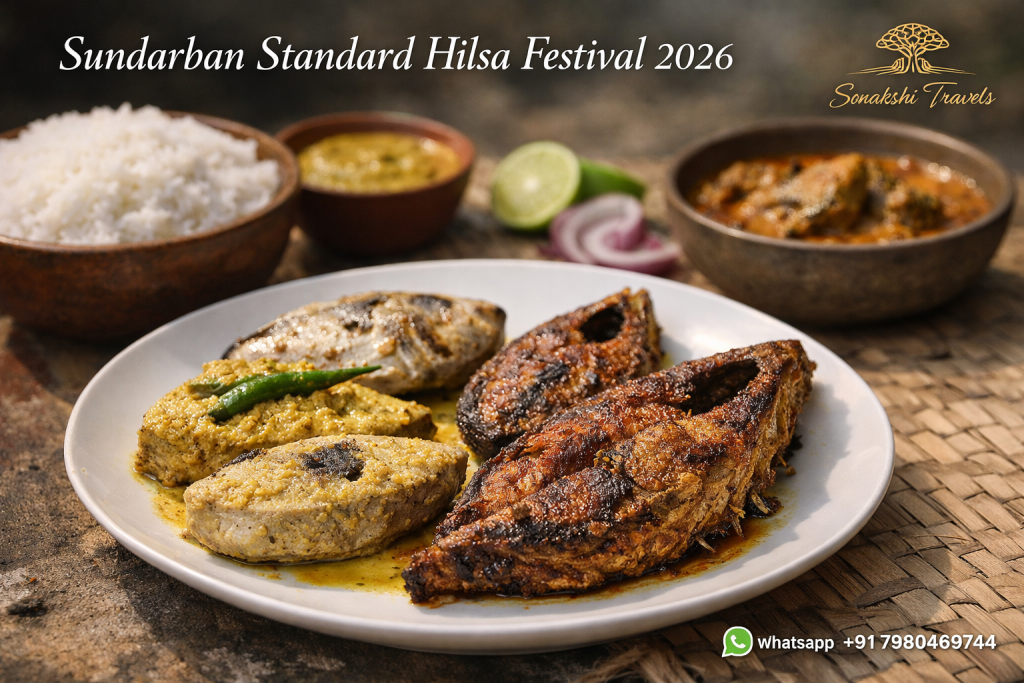
A Food-Focused Festival in the Delta
The Sundarban Standard Hilsa Festival is not planned as a general holiday. It is a seasonal program built around one clear idea: celebrating Hilsa, known locally as Ilish. The main focus is simple and direct—fresh Hilsa dishes served in a planned, community-style setting in the delta. Every part of the program supports this single purpose, so the experience stays clear and consistent.
Within the larger information network of SundarbanTravel.com, this festival is presented as a dedicated food experience, not a mixed travel theme. Hilsa holds a special place in Bengali food culture because of its texture, rich natural oil, and strong seasonal demand. The Standard Festival format brings that tradition into an organized event with set meal timing, controlled group size, and basic but comfortable hospitality management, without shifting into unrelated topics.
Why Hilsa Matters in a Festival Setting
Hilsa is not treated like an ordinary fish item on a menu. In Bengal, it often represents seasonal excitement and family-style celebration. Many people connect Hilsa with the monsoon season and the feeling of “this is the time for Ilish.” Because the fish is naturally rich and delicate, the cooking needs care. A small change in mustard balance, steaming time, or oil handling can affect taste and texture.
This is why a festival format is useful. Instead of spreading Hilsa meals across random moments, the experience is arranged around curated dining sessions. Guests can taste different styles of Hilsa close to each other and understand the difference between fried, steamed, mustard-based, light curry, and rice-based preparations. The result is a tasting experience with structure, not just a meal.
Why the “Standard” Category Is Important
The word “Standard” refers to planned affordability and a simple, practical setup. It does not mean lower food quality. It mainly describes the way costs are controlled: shared boats with limited seats, clean but straightforward rooms, and group meal service that is easier to manage. This keeps the experience reachable for families and small groups without breaking the festival’s central food quality.
For travelers who usually explore the delta through a classic Sundarban tour, the Standard Hilsa Festival feels different because the food becomes the main theme. By managing room categories like AC and Non-AC and keeping the operations organized, the festival stays focused on Hilsa while still giving a comfortable stay.
How the Festival Experience Is Designed
The Sundarban Hilsa Festival 2026 is built around three connected parts: group dining, stable hospitality, and light cultural engagement. These parts are not separate attractions. They work together to support the food-centered goal, so the experience feels complete without becoming scattered.
1) Group Hilsa Dining Sessions
The main highlight is live-prepared Hilsa service, planned in a sequence. Dishes like Ilish Bhaja, Bhapa Ilish, Ilish Pulao, Ilish Tok, and Tel Jhol are arranged in a way that helps guests notice the differences. Fried pieces show crisp texture and surface flavor. Steamed pieces show softness and mustard aroma. Light curries give balance and reduce heaviness after oil-rich servings.
The cooking style stays traditional and controlled. Mustard paste needs proper grinding and timing. Oil temperature needs attention to avoid overcooking. Spices are kept measured so the fish taste remains clear. Hilsa also has fine bones and delicate flesh, so handling matters. A well-managed kitchen helps maintain consistency across group service, which is one of the hardest parts of any food festival.
2) Clean and Practical Stay Setup
Accommodation in the Standard Hilsa Festival is kept clean, hygienic, and stable. The purpose is comfort, not luxury details. Rooms are available in AC and Non-AC options to match different budgets. What matters more than decoration is the practical side: clean bedding, safe water, proper timing of meals, and smooth coordination between dining and rest.
This setup protects the main festival experience. When guests feel rested and comfortable, they can focus on food tasting and enjoy the festival rhythm. A simple but reliable stay reduces stress and helps the festival remain enjoyable for families, seniors, and groups who prefer a calm schedule.
3) Cultural Evenings That Do Not Distract From the Theme
Evening cultural activities—such as tribal dance, light music, and bonfire time—are included as background experiences. They support the regional mood and provide a social break between meals. Importantly, they are kept moderate, so the festival does not turn into a full entertainment show. The center remains the Hilsa dining.
Duration Choices and What They Change
The festival is offered in two duration formats: 1 Night / 2 Days and 2 Nights / 3 Days. The difference is mainly about pacing. It is not about adding unrelated activities or changing the core purpose. Both options keep Hilsa as the central theme.
The shorter option is more compact and intensive. The key Hilsa dining sessions, evening program, and the planned delta movement happen in a tight flow. The longer option adds breathing space. It allows extra time for relaxed intervals and an additional Hilsa meal, while still keeping the same main structure.
For guests who normally compare packages through a broader Sundarban tour package overview, this festival stands out because the time is used mainly for curated food sessions rather than many different sightseeing segments. The extra day in the longer format is designed to deepen the food experience, not dilute it.
Operational Planning That Keeps the Festival Reliable
A fish-centered festival needs careful supply planning. Hilsa freshness is a real factor. If fish is stored too long, taste and texture can drop. If supply falls short, meal planning breaks. The Standard Hilsa Festival reduces these risks through pre-confirmed guest counts and planned procurement cycles that match the program schedule.
Group size is also managed to avoid crowding on boats and at meal service points. Controlled capacity supports smoother service and better safety. Forest entry permissions for the scheduled jungle visit are arranged in advance, so the movement remains regulated and predictable without pulling the festival away from its main culinary theme.
Hilsa Menu Structure: Why the Order Matters
The Hilsa Special Menu is not built as a random list. It follows a layered tasting logic, where each dish adds a new angle to the same ingredient:
- Ilish Bhaja introduces crisp texture and rich oil taste.
- Ilish Pulao blends fish aroma with rice-based comfort.
- Bhapa Ilish highlights mustard steam and soft flesh.
- Ilish Tok adds light sour notes to refresh the palate.
- Tel Jhol closes with a thinner, lighter mustard broth.
This order helps avoid palate fatigue. Hilsa can feel heavy if served only in rich forms. By alternating styles—fried, steamed, tangy, and broth-based—the meals remain enjoyable for a wider range of guests. It also shows that the festival is planned with food understanding, not only with quantity.
Non-Hilsa options are also kept available for children or guests who do not eat fish. These alternatives are prepared under the same hygiene standards, so the overall dining environment remains consistent and comfortable for mixed groups.
Affordability Without Losing the Core Value
Pricing in the Standard Hilsa Festival is designed to remain accessible. The starting rates vary by pickup point, such as Canning and Science City. This difference is mainly linked to logistics and coordination, not to changes in the Hilsa menu quality. Group size and room type may change the final number slightly, but the festival’s main food experience stays stable.
Cost control comes from shared resources and fixed-date planning. Boat use is managed through limited occupancy. Meal preparation is done for a planned group size, which reduces waste and supports consistent serving. Fixed festival dates also allow better procurement planning for Hilsa and related ingredients. This is how the event stays budget-friendly without weakening the food focus.
Why Seasonal Food Festivals Feel Special
Seasonal food events work because they match emotion with timing. Hilsa is strongly linked with the monsoon season in Bengal, so people often feel that Hilsa is not just food—it is a seasonal moment. The Standard Hilsa Festival turns that feeling into an organized group experience where guests share the same excitement, the same meals, and the same rhythm.
Group dining also creates stronger memory. The smell of mustard steam, the first bite of Bhapa Ilish, or the crisp taste of Ilish Bhaja becomes more memorable when many people experience it together. A well-structured environment allows guests to pay attention to taste and mood, instead of worrying about logistics.
Hygiene, Safety, and Controlled Comfort
Because the Sundarban hilsa festival is food-centered, hygiene is a core requirement, not an extra benefit. Clean cooking areas, safe water use, proper storage temperature, and sanitized dining arrangements are essential. Boats also operate under safe occupancy limits, which reduces discomfort and supports safer movement.
These controls build trust. A festival that serves multiple fish dishes must protect quality and health at the same time. The Standard Hilsa Festival keeps these safeguards in place so guests can enjoy the meals without concern.
Who This Festival Fits Best
The festival suits families, friend groups, and weekend travelers who want a planned Hilsa celebration with comfort and simple structure. Elderly guests usually benefit from the organized timing—meals arrive on schedule, movement is coordinated, and staff support remains available. Group discounts encourage shared participation, which matches the community style of the event.
Even with a set schedule, the environment remains calm. Guests are not pushed through fast activities. Meals are spaced with intent, and the evening program stays moderate. This balance helps the festival feel warm and social while still being well-managed.
Conclusion: A Clear and Focused Hilsa Celebration
The Sundarban Standard Hilsa Festival stays strong because it is clear about what it is. It does not try to become a broad tourism product. It is a planned, seasonal Hilsa celebration built around curated meals, stable hospitality, light cultural support, and reliable operational coordination.
For guests who prefer privacy and premium arrangements in the delta, a Sundarban luxury tour may be a different match. The Standard Hilsa Festival, however, is designed for shared participation and structured affordability, while still respecting culinary authenticity and guest comfort.
When a food tradition is planned with care—right menu order, controlled freshness, clean service, and calm pacing—it becomes more than a meal. It becomes a seasonal event that people remember for taste, mood, and shared experience, without distraction or excess.