Sundarban Ilish Utsav Weekend Plan – Short trip with full festival coverage
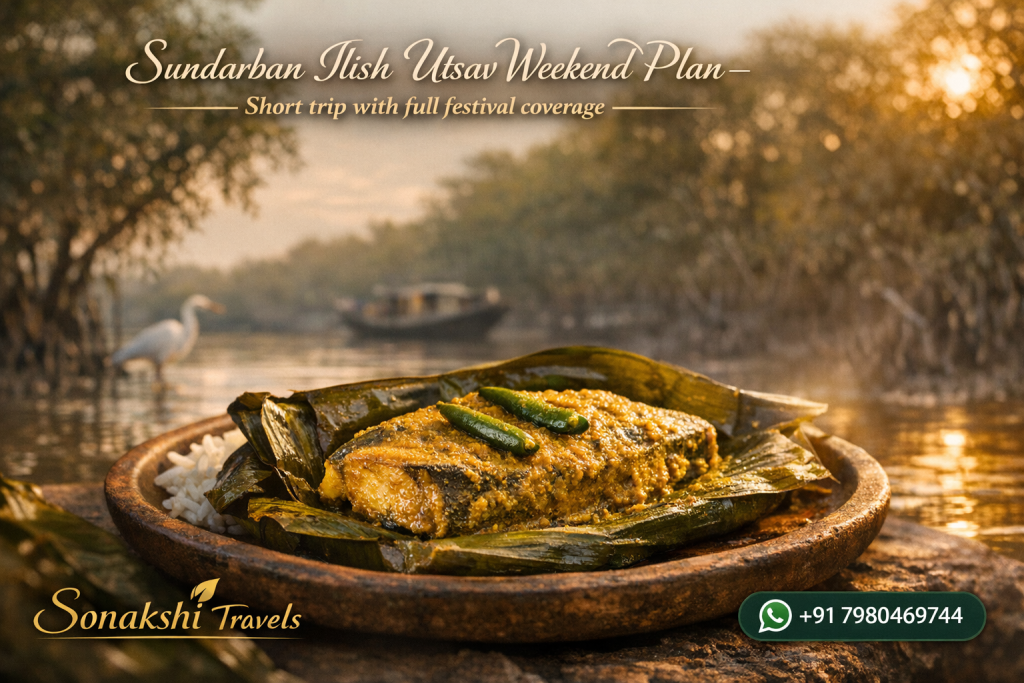
A short journey becomes truly satisfying when it feels complete. That is exactly why a thoughtful Sundarban Ilish Utsav weekend plan matters so much. Many travelers want to enjoy the festival but cannot leave the city for many days. They need a compact program that starts on time, covers the main festival experiences, and brings them back without making the trip feel rushed or incomplete. In such cases, the success of the tour depends on structure. A weekend trip must balance travel time, boat movement, meal timing, rest, local atmosphere, and festival highlights in the right order.
The idea of the festival is simple on the surface. Visitors travel to the delta during the hilsa season and enjoy a journey shaped by river scenery, Bengali food traditions, village rhythm, and boat-based leisure. Yet a real weekend plan is not only about eating hilsa. It is about reaching the destination comfortably, entering the river landscape at the right pace, and covering enough of the experience to feel that the trip was full. A careless short plan can turn the weekend into a sequence of delays. A well-made plan can turn two days into a rich and memorable travel story.
That is why many travelers first study a route such as Sundarban ilish utsav from Kolkata before fixing their dates. The meaning behind that route is important. It shows that the weekend trip must begin with a smooth departure from Kolkata, move into the delta without confusion, and follow a clear itinerary from the very first hour. Without that clarity, even a beautiful destination can feel tiring. With it, the same weekend can feel deep, calm, and complete.
Why a weekend plan needs careful structure
A weekday vacation allows room for delay. A weekend trip does not. The traveler usually leaves on one morning, stays for one night or two nights at most, and must return by the next evening or the following day. This small time window creates one challenge and one opportunity. The challenge is obvious: there is little time to waste. The opportunity is equally strong: when the plan is sharp and realistic, every part of the festival can be experienced in concentrated form.
A proper weekend Sundarban tour during the hilsa festival should cover four key elements. First, it must include the road transfer from Kolkata to the river gateway without late departures. Second, it should offer enough boat time to let the traveler feel the delta and not just pass through it. Third, it must include the food side of the festival in a meaningful way, not as one ordinary lunch. Fourth, it should preserve moments of rest, because constant movement destroys the charm of a short escape.
This is where many plans fail. Some people try to fit too many stops into too little time. Others focus only on food and forget that the setting of the meal is part of the experience. Some plans also ignore the emotional side of travel. A festival journey should not feel like a checklist. It should feel like one flowing experience where food, river, air, and local life stay connected from beginning to end.
The ideal shape of a short festival trip
The best weekend format is usually a compact two-day or two-night structure depending on the traveler’s schedule. For most people coming from Kolkata, the strongest version is one that begins early in the morning, reaches the embarkation point by late morning, and enters the river zone before the best daylight is lost. This timing matters because the delta is not only a destination of distance. It is a destination of transition. The journey from road to jetty to boat is itself part of the mood of the trip.
In a good Sundarban festival itinerary, the first day should not be overloaded with too many formal activities. It should instead create entry into the landscape. Travelers should move from urban movement to river silence in a gradual way. Lunch on board or after check-in should mark the first true feeling of arrival. The hilsa festival element should begin gently on day one, perhaps through a welcome meal, a themed lunch, or an evening tasting that introduces the culinary identity of the weekend.
The second phase of the trip should give fuller festival coverage. This means the guest should experience not only hilsa on the plate, but also the wider setting in which the cuisine gains meaning. The river channels, village life, traditional Bengali cooking style, local service rhythm, and boat-based movement all deepen the food experience. When these are present, the weekend does not feel short. It feels complete.
How the Kolkata connection shapes the weekend
The route from Kolkata is central to the quality of the plan. A large number of travelers join the festival because it is reachable within a manageable time from the city. But this convenience works only when the departure is disciplined. Early pickup is important. If the road transfer begins too late, the first half of the day is lost, the boat segment becomes rushed, and the guest reaches the stay point with fatigue instead of excitement.
That is why the logic behind a smooth journey with full itinerary is highly relevant for a weekend plan. The phrase is not just attractive language. It points to a real travel need. A short trip becomes valuable only when transport, boarding, meals, and sightseeing are already placed in a sensible order. The traveler should not have to solve the route while traveling. The route should already be working for the traveler.
For a weekend visitor, this planning also reduces mental pressure. The person leaves Kolkata knowing when the road journey begins, when the boat boarding happens, when food service starts, and when the return is expected. That certainty creates relaxation. In short tours, relaxation is not a luxury. It is part of the product.
What full festival coverage should really mean
The phrase full coverage can be misunderstood. It does not mean the traveler must see every possible corner of the Sundarban or eat every possible hilsa dish in two days. That would not be realistic. Full coverage in a weekend context means that the traveler experiences the festival in a rounded way. The journey should cover the food dimension, the river setting, the cultural feeling, and at least a meaningful glimpse of the wider delta environment.
A proper Sundarban Ilish Utsav tour package should therefore include more than one meal where hilsa is presented with care. Different preparations may appear across the trip, but the deeper value lies in pacing. One meal may be rich and festive, another may be quieter and more traditional. This variety helps the guest understand that the festival is not only about abundance. It is also about regional food memory.
Full coverage should also include time on the boat during daylight. The visual character of the delta matters. Wide water, muddy edges, mangrove growth, changing sky, and village life along the route create the emotional background of the festival. Without these, the food becomes detached from place. With them, the meal begins to feel rooted in the landscape.
Cultural atmosphere is another important layer. Even on a short trip, the traveler should sense that the festival belongs to Bengal’s river tradition and not merely to a hotel menu. The service style, the meal setting, the timing of tea, the evening rhythm, and the quiet social mood of the destination all help create that feeling.
Day one should create arrival, appetite, and orientation
The first day of a weekend festival trip has a clear role. It should move the traveler from city life into festival mood. The road transfer from Kolkata should begin early enough to protect the rest of the day. After reaching the jetty and boarding the boat, the guest should be able to sit back and let the landscape open naturally. This first river segment matters because it resets the mind. The weekend begins not when the guest leaves home, but when the city noise starts to disappear behind the water route.
A well-planned lunch on the first day can act as the opening note of the festival. This meal does not need to be the heaviest one. It should instead establish quality and local character. Freshness, balanced spice, and proper serving matter more than excess. The aim is to build appetite for the rest of the trip, not to exhaust it in one sitting.
After lunch, light exploration or a river cruise segment can help the traveler understand the geography of the area. The first day should also include enough free breathing space. A short festival trip becomes more meaningful when there is time to sit on deck, watch the water, drink tea, and feel the changing light. These quiet intervals are not empty time. They allow the festival atmosphere to settle.
By evening, the guest should already feel that the trip has begun to deliver. A comfortable stay, a calm riverside setting, and a carefully prepared dinner can complete day one with grace. If hilsa appears again in a different preparation, the experience becomes layered rather than repetitive.
Day two should give the heart of the festival
The second day is where the weekend plan must become fuller and more memorable. By this stage, the traveler is already adjusted to the route and setting. This allows the itinerary to go deeper into the experience. Morning movement on the river often brings a clearer sense of place. The light is softer, the air feels fresher, and the landscape reveals itself with more detail. This is an ideal time for the delta to be enjoyed beyond the food angle.
Yet the food remains central. A true hilsa festival weekend should make day two the strongest culinary day. This does not mean forcing too many heavy dishes into one schedule. It means presenting the meal sequence with thought. The guest should feel that the cooking is part of the event, not merely hotel routine. A lunch served after a meaningful river experience often leaves the strongest impression, because appetite, mood, and setting come together at the right time.
This is also the point where the trip can express its full festival identity. The weekend should feel celebratory but not chaotic. Clean service, proper meal timing, and a comfortable rest cycle are important. When guests are hurried from one spot to another, the food loses its emotional force. When the pace is managed well, even a short itinerary feels rich and complete.
How to avoid making the weekend feel rushed
One of the biggest mistakes in short festival planning is confusion between full and crowded. A weekend plan becomes weak when it tries to imitate a long tour. A short itinerary should not chase every attraction. It should select the experiences that work best together. In the case of the ilish festival, these are usually road transfer, river entry, themed meals, comfortable stay, selected sightseeing, and unhurried return.
A good planner understands that travel comfort is part of festival success. Guests remember whether the boarding process was smooth, whether the meal came at the right time, whether there was enough water and seating, whether rest was possible, and whether the return journey felt controlled. These details decide whether the trip feels premium, average, or tiring.
Another point is emotional rhythm. A weekend trip should build in waves. There should be movement, then pause. Meal, then view. Exploration, then rest. This rhythm helps the traveler absorb the destination. Without it, even good arrangements can feel mechanical.
The role of food in making the short trip feel complete
In the Sundarban hilsa festival, food is not an extra attraction added to a normal tour. It is one of the central reasons people travel. But the role of food in a weekend plan is deeper than taste. It gives the journey its identity. The guest is not simply going on a river cruise and happening to eat fish. The traveler is entering a seasonal cultural experience where hilsa becomes the language of the weekend.
This is why the food component should be treated with care. The meal should feel connected to the river environment, local Bengali culinary understanding, and the special timing of the festival season. A thoughtful operator knows that one good hilsa dish can say more than many careless servings. Texture, freshness, cooking balance, and service setting all matter.
For many urban visitors, this food-centered structure also makes the trip emotionally satisfying. A weekend escape is often short in duration but high in expectation. Guests want to return feeling that they truly attended the festival, not that they merely sampled it. Repetition of the theme across meals, atmosphere, and itinerary helps create that sense of completion.
Why the return journey is part of the plan, not an afterthought
A weekend tour can lose its value in the last stage if the return is poorly handled. Many short trips feel enjoyable until the final transition back toward Kolkata becomes disorderly. That is why the return should be included in the emotional design of the itinerary. It should feel like the natural closing chapter of the same journey, not like a separate struggle after checkout.
A sensible plan gives the traveler a calm breakfast, a measured departure, and enough road time without panic. The guest should leave with a feeling of closure. This is especially important after a food festival experience. Good endings help preserve memory. Poor endings replace the taste of the trip with the stress of logistics.
For this reason, travelers often return to route guidance such as full itinerary planning from Kolkata when choosing a weekend package. The appeal is practical. People want the whole circuit to work from beginning to end. A short trip cannot afford a weak final stage.
Who benefits most from this kind of weekend plan
This style of short festival trip is especially suitable for city-based travelers who want strong experience within limited leave. Couples, families, small friend groups, and food-focused travelers often prefer it because it gives both movement and comfort. It suits people who do not want a very long wilderness program but still want to feel the river, the cuisine, and the festival mood in one compact journey.
It is also ideal for first-time visitors. A first visit does not always need maximum duration. It needs the right structure. A tightly made short Sundarban trip during the ilish utsav can introduce the destination in a complete and welcoming way. It allows the guest to understand the route, the food culture, and the atmosphere without travel fatigue. Later, if they wish, they can return for a longer delta experience.
A complete weekend is not long, but it should feel full
The real strength of a Sundarban Ilish Utsav weekend plan lies in intelligent compression. The trip is short in calendar terms, but it should not feel thin. It should carry the traveler smoothly from Kolkata into the river landscape, place the hilsa festival at the center of the experience, and return the guest home with the sense that the journey was complete.
That is the standard a good weekend plan must meet. It should not promise too much. It should not overload the guest. It should not waste time on avoidable confusion. Instead, it should respect the limits of a short trip and use them wisely. When route, meals, rest, and river movement are planned with discipline, the result is surprisingly rich.
In the end, a successful weekend festival tour is not judged by how many hours it lasts. It is judged by whether the traveler feels that the festival was truly experienced. If the food had depth, the river had presence, the timings felt smooth, and the return felt easy, then the weekend has done its work. It has turned a small window of time into a full and lasting travel memory.