Every Bite Tells a Story at Sundarban Hilsa Tour
— Immerse Yourself in Tradition and Taste
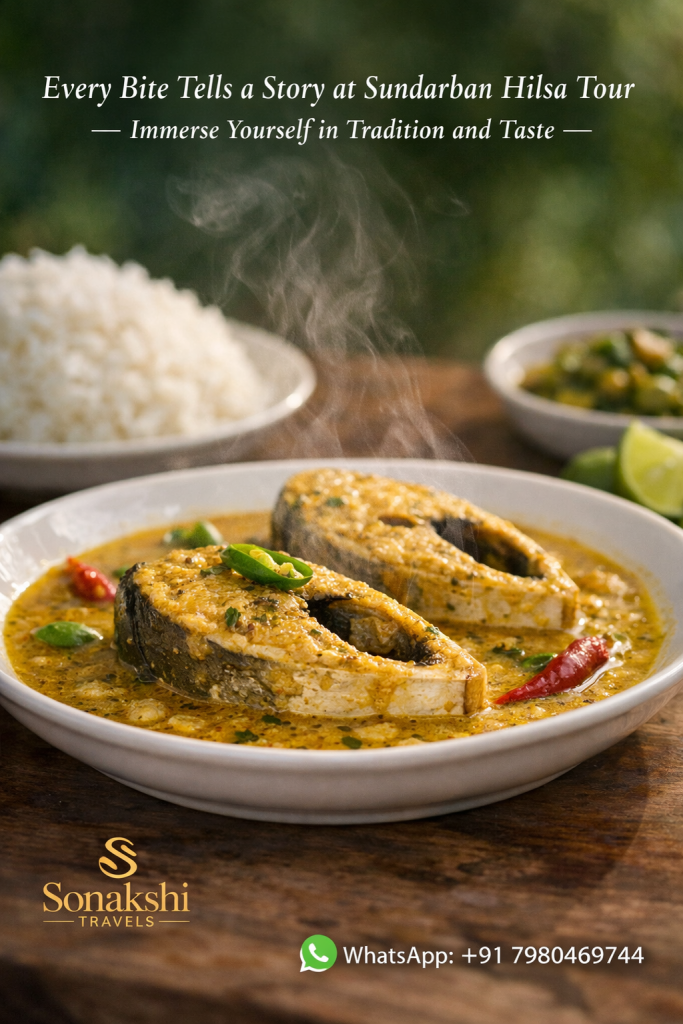
There are journeys where the destination is defined by landscapes, and then there are journeys where the memory of taste becomes the true storyteller. A Sundarban Hilsa Tour belongs to the second kind. Here, the river carries not only boats through winding mangrove creeks but also centuries of culinary tradition. The experience unfolds through aromas rising from Bengali kitchens, conversations between fishermen and travelers, and the unmistakable richness of Hilsa fish served fresh from the tidal waters of the delta.
In the Sundarbans, food is never simply food. Each dish reflects the rhythm of rivers, the patience of fishermen, and the heritage of Bengal itself. When visitors arrive during the Hilsa season, they discover that the journey becomes both a cultural exploration and a celebration of flavor. Every meal reveals something about the land, the people, and the timeless relationship between the delta and its most cherished fish.
Understanding the Cultural Meaning of a Sundarban Hilsa Tour
The Hilsa fish, known locally as “Ilish,” occupies a special place in Bengali life. Across West Bengal and Bangladesh, it symbolizes celebration, nostalgia, and seasonal joy. The Sundarbans, with its vast network of tidal rivers, forms one of the natural environments where this legendary fish has long been connected to daily life.
A Sundarban Hilsa Tour introduces visitors to this cultural relationship in a deeply immersive way. Instead of tasting Hilsa in a city restaurant, travelers experience it where the river meets the mangrove forest. Fishermen bring their catch from the tide-influenced channels, and local kitchens prepare the fish using traditional Bengali recipes that have been passed down through generations.
This combination of natural setting and culinary heritage creates an experience that feels authentic and memorable. Visitors are not simply eating a dish; they are witnessing a living tradition shaped by water, weather, and community.
The Journey Through Mangrove Rivers
Before the first taste of Hilsa reaches the table, the journey itself begins to shape the experience. Boats glide across wide rivers where the water reflects the dense mangrove forest on either side. The landscape appears calm, yet it carries a sense of quiet wilderness that few places in the world still possess.
Travelers moving deeper into the delta often notice how the atmosphere changes. City noise fades away, replaced by the gentle sound of flowing tidewater and distant bird calls. The air becomes humid with the scent of salt and mangrove leaves. It is in this environment that the Hilsa culture of the region becomes more meaningful.
Meals served during the tour often take place on riverside resorts or boats drifting along tranquil waterways. The setting turns a simple lunch into a moment that travelers remember long after the journey ends.
Why Hilsa Holds a Legendary Place in Bengali Cuisine
Hilsa is often described as the “Queen of Fish” in Bengal. Its delicate texture and rich flavor have made it one of the most treasured ingredients in regional cooking. For generations, families have celebrated seasonal arrivals of Hilsa with elaborate meals and traditional recipes.
During a Sundarban Hilsa Tour 2026, visitors begin to understand why this fish holds such emotional significance. The taste is unique—both subtle and deeply flavorful. The soft flesh absorbs mustard, green chili, and mustard oil in ways that transform simple ingredients into something extraordinary.
Beyond taste, Hilsa also represents memory. Many Bengalis recall childhood monsoon days when the aroma of Hilsa cooking filled the home. The Sundarbans, with its river-based lifestyle, continues to preserve that connection between food and heritage.
Traditional Hilsa Dishes Travelers Often Experience
One of the most enjoyable parts of a Sundarban Hilsa Festival is the opportunity to explore multiple traditional preparations of the fish. Each recipe reveals a different dimension of flavor.
Shorshe Ilish
Perhaps the most iconic Hilsa dish, Shorshe Ilish combines the fish with mustard paste, green chilies, and mustard oil. The result is bold yet balanced, reflecting the classic Bengali love for mustard-based cooking.
Bhapa Ilish
Bhapa Ilish is a steamed preparation where the fish cooks slowly with mustard, yogurt, and spices. The gentle steaming method preserves the delicate flavor of Hilsa while creating a soft and aromatic texture.
Ilish Pulao
In this dish, fragrant rice absorbs the flavor of Hilsa and mild spices. The combination produces a meal that feels both festive and comforting, often served during special occasions.
For travelers, tasting these varieties during the same journey allows a deeper appreciation of how one ingredient can inspire multiple culinary expressions.
Taste of the Delta
Where rivers breathe beneath monsoon skies,
Where fishermen watch the silver tide rise,
Where mangrove roots hold stories untold,
And kitchen fires glow gentle and bold.
A slice of Hilsa, tender and bright,
Carries the river into each bite.
Mustard whispers, chilies sing low,
Flavors of tides in quiet flow.
In Sundarban kitchens memories start,
Each meal a river touching the heart.
Meeting the People Behind the Tradition
Food becomes more meaningful when travelers meet the people who make it possible. During a Sundarban Hilsa Tour, conversations with fishermen and local cooks often become highlights of the journey.
Fishermen share stories about navigating tidal currents and understanding seasonal fish movements. Their knowledge reflects years of observation and experience with the river’s unpredictable nature. Many visitors are surprised to learn how carefully fishermen monitor tides and weather patterns before setting out.
Local cooks, meanwhile, carry their own traditions. Recipes are often inherited through family kitchens rather than written in cookbooks. Each cook may adjust mustard intensity, chili levels, or steaming techniques slightly differently. These subtle variations create the unique taste of every meal served during the tour.
The Role of the Monsoon in Hilsa Culture
The arrival of monsoon rains transforms the Sundarbans. Rivers swell with fresh water flowing from inland regions, creating conditions that attract Hilsa into the delta channels. For centuries, this seasonal movement has marked the beginning of Hilsa celebrations across Bengal.
Travelers visiting during this time often experience a landscape that feels vibrant and alive. Rain clouds drift across wide skies, mangrove leaves shine under fresh rainfall, and the river appears fuller and more energetic. Within this environment, Hilsa dishes become even more meaningful because they reflect the rhythm of nature itself.
The connection between season and cuisine makes the Sundarban Hilsa Tour feel deeply tied to the environment. The experience changes depending on the time of year, ensuring that each visit carries its own unique atmosphere.
A Typical Day During a Sundarban Hilsa Tour
Morning often begins quietly. Boats leave early, allowing travelers to witness sunrise over wide tidal rivers. Soft golden light spreads across the mangrove forest while birds glide across the sky. The calmness of this moment sets the tone for the day.
After river exploration, breakfast introduces simple yet flavorful Bengali dishes. As the day progresses, visitors explore watchtowers, creeks, and forest edges where wildlife sightings occasionally occur. The landscape reveals its beauty gradually rather than dramatically.
Lunch usually becomes the highlight of the day. Fresh Hilsa dishes appear alongside rice, vegetables, and traditional sides. Travelers often gather around long dining tables where conversation flows as freely as the river outside.
Evening returns to the peaceful rhythm of the delta. Boats drift back through golden sunset reflections, and dinner offers another opportunity to taste the culinary richness of the region.
Why Travelers Remember the Sundarban Hilsa Tour
Long after returning home, many travelers discover that their strongest memories are not limited to wildlife or landscapes. Instead, they remember the warmth of shared meals, the scent of mustard cooking in a riverside kitchen, and the gentle conversation that accompanies dinner after a day of exploring mangrove rivers.
The Sundarban Hilsa Tour becomes meaningful because it blends nature, culture, and cuisine into one cohesive experience. Visitors witness how the river supports both ecological life and human tradition. The Hilsa fish, moving with seasonal tides, becomes a symbol of that connection.
Each bite carries a small part of the delta’s story. The rivers provide the fish, the fishermen bring their skill, and the kitchens transform it into dishes that reflect generations of culinary wisdom. By the time the journey ends, travelers realize that they have experienced something more than a simple tour.
They have tasted a living tradition—one shaped by tides, forests, and the enduring spirit of Bengal.