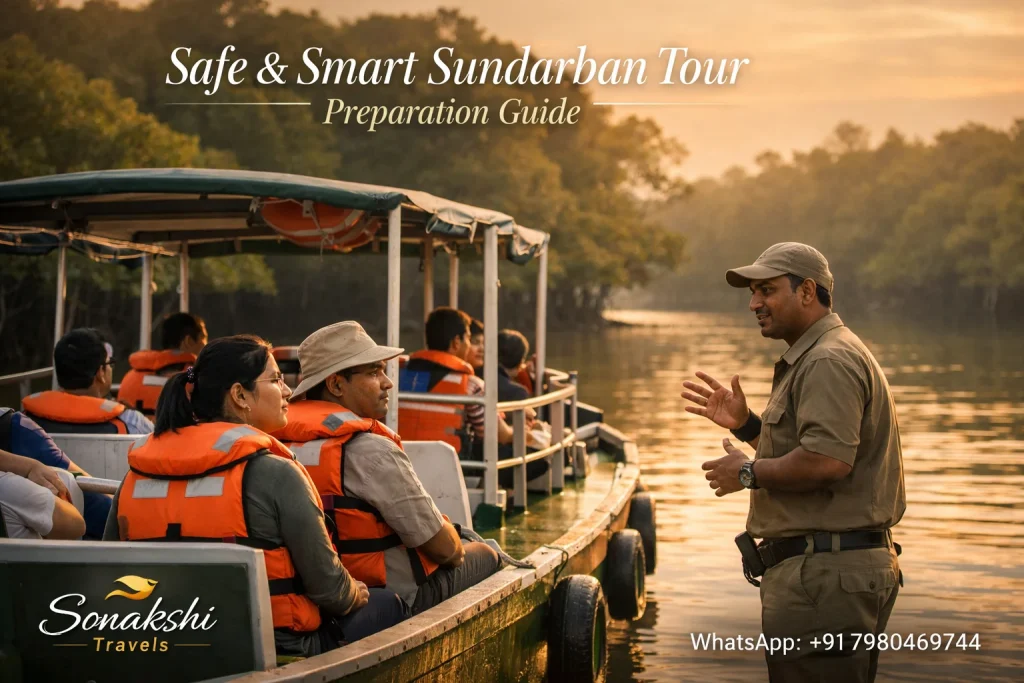
Preparing for a safe and enjoyable journey into the Sundarban requires more than enthusiasm for wildlife and riverine landscapes. The region’s ecological sensitivity, regulated entry systems, tidal geography, and limited urban infrastructure demand informed preparation. A well-prepared traveler does not merely reduce risk; preparation directly enhances observation quality, comfort, and psychological ease throughout the experience. Those who study authentic regional guidance through platforms such as Sundarban Travel resources quickly understand that safety and enjoyment in this deltaic wilderness are interdependent outcomes shaped by planning discipline, operator selection, logistical awareness, and personal readiness.
This guide focuses exclusively on the practical and strategic dimensions of preparation. Each section expands on essential elements that transform a basic excursion into a secure and meaningful exploration of the mangrove ecosystem.
Selecting a Reliable and Competent Tour Operator
The foundation of a safe experience begins with choosing a professionally managed operator. In a controlled forest zone governed by entry permits, boat regulations, and licensed guides, operational integrity is central to safety. A structured and well-supervised guided Sundarban tour ensures that every movement within the reserve follows established protocols.
Verification of Licensing and Authorization
A reliable operator must comply with forest department regulations and boating standards. Proper documentation confirms that vessels, crew members, and guides are authorized to operate within designated zones. Unauthorized arrangements may compromise insurance coverage, safety protocols, and emergency response access. Before confirming a booking, travelers should verify that permits are managed transparently and that official procedures are consistently followed.
Safety Infrastructure on Boats
Boat-based exploration defines the Sundarban experience, making vessel quality a direct determinant of safety. Essential considerations include life jackets for all passengers, fire extinguishers, communication devices, first-aid kits, and trained crew members familiar with tidal navigation. Boats should be stable, well-maintained, and operated by experienced pilots who understand current patterns and channel shifts.
Operational Planning and Risk Awareness
Competent operators conduct structured planning before departure, including route alignment with permitted zones, coordination with forest checkpoints, and clarity regarding timing and return schedules. When travelers book a well-organized comprehensive Sundarban tour package, itinerary sequencing, accommodation logistics, and regulated boat timings are typically integrated into a single coordinated plan. Structured operations reduce uncertainty and transform environmental unpredictability into controlled exploration.
Understanding Route Awareness and Navigational Preparedness
Route awareness is not simply about maps; it involves understanding regulated waterways and restricted zones. Even when traveling with a tour operator, personal awareness enhances confidence and situational clarity.
Importance of Structured Navigation
The Sundarban consists of an intricate network of tidal channels shaped by daily fluctuations. Deviating from approved routes can lead to navigational hazards and regulatory violations. Following designated pathways ensures adherence to forest rules and reduces ecological disturbance.
Coordination with Local Administration
Entry permits and identification checks are mandatory within protected zones. Travelers should keep valid identification accessible during the journey. Movement across watchtowers and forest checkpoints remains supervised for conservation and security reasons, and cooperation with officials is part of responsible travel conduct.
Engaging Experienced and Knowledgeable Guides
Professional guides serve as both ecological interpreters and safety coordinators. Their role significantly influences risk management and the depth of environmental understanding. Travelers opting for a well-structured Sundarban private tour often benefit from more personalized guidance, enabling focused observation and clearer communication regarding safety measures.
Situational Awareness and Environmental Interpretation
Trained guides possess localized knowledge of animal movement patterns, tidal cycles, and safe viewing practices. Instructions regarding noise control, movement discipline, and observation etiquette are grounded in conservation science. Adhering to these directives prevents unnecessary disturbance and supports regulated interaction with the ecosystem.
Emergency Responsiveness
In remote forest corridors, rapid decision-making is essential. Experienced guides understand evacuation procedures, communication channels, and coordination protocols with forest authorities. Their preparedness significantly reduces response time during unforeseen circumstances.
Carrying Adequate Cash and Financial Preparedness
Financial readiness is frequently underestimated in remote destinations. Limited banking infrastructure requires travelers to plan expenditures in advance.
Limited Access to ATMs
Digital banking services may be inconsistent in interior regions of the delta. Carrying sufficient cash for incidental expenses ensures uninterrupted transactions and prevents unnecessary inconvenience during the trip.
Clear Expense Planning
Travelers should clarify inclusions and exclusions before departure. Transparent budgeting prevents confusion and allows attention to remain focused on wildlife observation and environmental learning rather than financial adjustments.
Medical Readiness and Health Precautions
Health preparation contributes substantially to safety and comfort. The Sundarban’s humid climate and boat-based movement require self-sufficiency regarding minor medical needs.
Personal Medication and First Aid
Travelers requiring daily medication should carry an adequate supply for the entire duration of their stay. A compact first-aid kit containing antiseptics, basic pain relievers, motion sickness tablets, and personal prescriptions enhances readiness in a region where immediate medical facilities may not be nearby.
Preventive Health Measures
Hydration, breathable clothing, sun protection, and secure footwear reduce fatigue and minor discomfort. Preparing for environmental conditions helps sustain attentiveness and physical balance during extended boat safaris.
Behavioral Discipline and Personal Conduct
Safety in forest environments depends heavily on traveler behavior. Preparation includes understanding expected conduct before arrival.
Maintaining Silence and Respect
Excessive noise disturbs wildlife and may provoke unpredictable reactions. Controlled movement and respectful observation preserve both visitor safety and ecological equilibrium.
Compliance with Guide Instructions
Ignoring operational guidelines increases exposure to risk. Discipline in restricted area adherence, scheduled timing, and boat safety instructions ensures structured and secure exploration.
Consultation with Experienced Tour Staff
Pre-tour communication strengthens preparedness. Discussing expectations, physical limitations, and itinerary structure with experienced staff clarifies responsibilities before arrival.
Pre-Departure Briefing
A structured briefing should include safety procedures, wildlife etiquette, tidal considerations, and emergency contact points. Understanding these aspects in advance reduces confusion once the journey begins.
Clarifying Operational Boundaries
Travelers benefit from knowing permitted watchtowers, restricted core zones, and regulated safari timings beforehand. Those planning a more refined and comfort-focused Sundarban luxury tour should also clarify accommodation standards, private vessel arrangements, and guide allocation to align expectations with operational realities.
Psychological Preparedness and Expectation Management
A safe and enjoyable journey also depends on mental readiness. The Sundarban is a protected forest ecosystem, not an urban entertainment destination. Patience, attentiveness, and adaptability enhance overall satisfaction.
Managing Expectations
Wildlife sightings, including the Royal Bengal Tiger, cannot be guaranteed. Preparing mentally for observational unpredictability prevents disappointment and encourages appreciation of subtle ecological details such as mangrove root systems, estuarine birdlife, and shifting tidal patterns.
Embracing Structured Exploration
The regulated movement within protected zones ensures conservation sustainability. Many travelers choose a balanced itinerary such as a 2 nights 3 days Sundarban experience to allow adequate time for observation without haste. Understanding the structured rhythm of safaris deepens respect for environmental governance and enriches the educational dimension of the trip.
Environmental Responsibility as a Safety Principle
Preparation includes adopting environmentally responsible practices. Conservation compliance directly influences safety and long-term ecological balance.
Avoiding Litter and Pollution
Improper waste disposal may attract animals and disrupt the delicate food chain. Carrying reusable containers and adhering to waste management instructions contribute to ecological stability.
Respecting Protected Boundaries
Entering restricted areas without authorization poses ecological and personal risks. Responsible travelers commit to regulated boundaries and view compliance not as limitation but as participation in conservation stewardship.
Preparation as the Core of Safety and Enjoyment
A safe and fulfilling Sundarban tour is never accidental; it is the outcome of deliberate preparation. Selecting licensed operators establishes structural security. Engaging experienced guides enhances situational awareness. Financial and medical readiness prevent avoidable disruptions. Behavioral discipline protects both visitors and the ecosystem. Psychological preparedness sustains enjoyment within regulated frameworks.
When preparation is thorough, the experience transforms from uncertain exploration into structured immersion. Safety becomes integrated into every stage of the journey, allowing travelers to focus on observation, learning, and environmental appreciation. A disciplined approach to planning ensures that the Sundarban remains not only secure but profoundly rewarding.