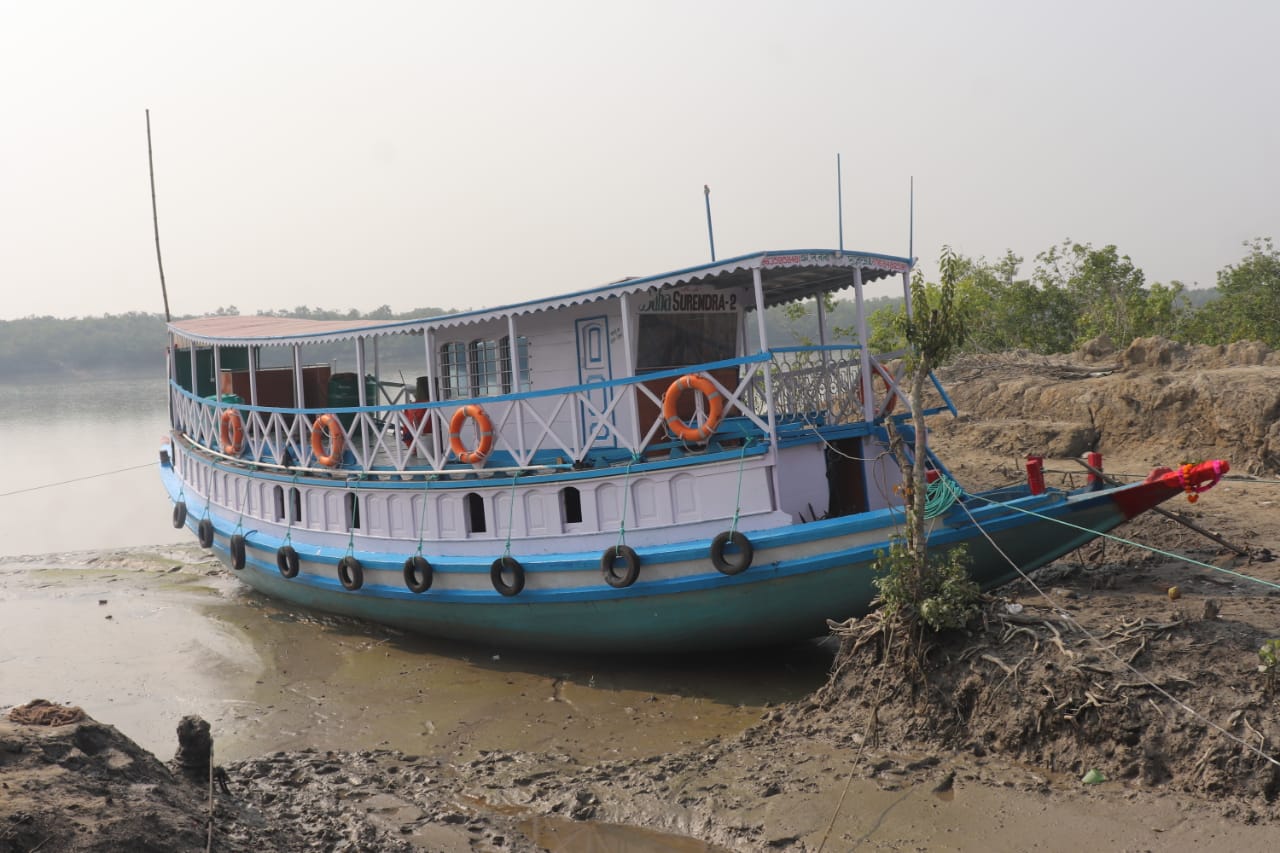
Sundarban Boat Tour: Exploring the Tidal Wilderness of the Mangrove Delta
A Sundarban boat tour is the most authentic and scientifically meaningful way to explore the intricate waterways of the world’s largest mangrove ecosystem. Situated in the lower Gangetic delta of West Bengal, the Sundarbans form a dynamic intertidal landscape shaped by sediment deposition, saline tides, and estuarine currents. Interwoven by rivers, creeks, mudflats, and mangrove islands, this protected forest can only be accessed by licensed vessels navigating designated channels.
For travellers seeking structured, research-backed travel information and professionally curated itineraries, Sundarban Travel offers extensive destination resources and planning insights. A boat safari here is not merely a scenic cruise—it is a guided passage through one of the planet’s most biologically resilient coastal forests.
Unlike terrestrial national parks, where wildlife viewing occurs along jeep tracks, a Sundarban boat safari unfolds entirely across tidal waters. Every turn reveals exposed mangrove roots, saline marshlands marked with animal tracks, and shifting light patterns reflecting off river surfaces. The silence of the delta, punctuated by bird calls and tidal movement, defines the experience.
Understanding the Sundarban Delta: Geography and Ecological Structure
The Sundarban Delta spans nearly 10,000 square kilometres, shared between India and Bangladesh. It is formed by the confluence of the Ganga, Brahmaputra, and Meghna river systems. Approximately 40% of the forest lies within Indian territory, protected under national park and biosphere reserve classifications.
The region’s ecological identity is shaped by:
Salt-tolerant mangrove forests
Twice-daily tidal inundation
Interconnected estuaries and distributaries
Low-lying embanked islands
Frequent cyclonic weather systems from the Bay of Bengal
Mangrove species such as Heritiera fomes (Sundari), Avicennia, and Rhizophora display specialized root adaptations, including pneumatophores that rise above the mud for oxygen intake. Observing these botanical adaptations during a boat excursion provides valuable ecological context rarely experienced in conventional forest tourism.
Why a Boat Safari Is the Only Viable Mode of Exploration
Road infrastructure does not exist within the protected forest core. Tidal submergence makes terrestrial access impractical. Consequently, all wildlife observation zones, watchtowers, and buffer areas are reached by registered vessels operated under forest department regulations.
A structured river-based exploration typically includes:
Government-approved forest permits
Licensed boat captains trained in tidal navigation
Professional naturalist guidance
Designated watchtower access
Mandatory safety equipment
Travellers interested in a comprehensive overview of route planning, forest entry protocols, and travel logistics can refer to detailed guidelines under the Sundarban Tour resource section, which outlines structured safari formats across different travel durations.
Tidal timing determines the day’s movement. Early mornings and late afternoons are most productive for wildlife observation, while mid-day cruising allows uninterrupted appreciation of mangrove corridors and river confluences.
Wildlife Observation During a Sundarban Boat Tour
The Royal Bengal Tiger in a Tidal Habitat
The Sundarbans are globally recognized as one of the last strongholds of the Royal Bengal Tiger adapted to a mangrove environment. Unlike tigers in dry deciduous forests, Sundarban tigers are proficient swimmers and often traverse tidal channels.
Sightings depend on patience, environmental awareness, and expert interpretation of indirect signs such as pugmarks, alarm calls from spotted deer, and fresh scrape marks. While wildlife visibility cannot be guaranteed due to dense vegetation and expansive territory, navigating prime tiger habitat remains a compelling component of any delta safari.
Other Mammals and Reptiles
Beyond the apex predator, the ecosystem supports a rich faunal diversity:
Spotted deer (Chital) grazing near freshwater ponds
Wild boars along muddy banks
Rhesus macaques in fringe forest zones
Estuarine crocodiles basking during low tide
Water monitor lizards on exposed flats
The estuarine crocodile, one of the largest reptiles in the world, is frequently observed from safe deck positions during regulated boat safaris.
Avian Diversity and Birdwatching Opportunities
The Sundarbans host over 250 bird species, making the region significant for ornithological observation. Winter migration enhances bird diversity, with frequent sightings of kingfishers, egrets, herons, sea eagles, and brahminy kites.
For travellers interested in structured accommodation combined with safari excursions, various itineraries are available under curated Sundarban Tour Package formats, which integrate birdwatching sessions within extended river cruising.
Key Watchtowers and Forest Zones Covered by Boat Tours
Sajnekhali
This zone includes an interpretation centre explaining mangrove ecology and serves as an important birdwatching location.
Sudhanyakhali
Recognized for its freshwater pond and frequent deer congregation, Sudhanyakhali remains a noted tiger movement corridor.
Dobanki Canopy Walk
The elevated walkway provides a secure vantage point to observe forest clearings without disturbing ground-level wildlife.
All watchtower access is time-restricted and regulated by forest authorities to minimize ecological disturbance.
Local Communities and Delta Livelihoods
Beyond wildlife zones, the inhabited islands of the Sundarbans reveal a distinct socio-economic structure shaped by tides and seasonal vulnerability. Agriculture, fishing, crab collection, and honey harvesting form the backbone of local livelihood.
Visitors opting for personalized river journeys often choose curated experiences under a Sundarban Private Tour format, which allows flexible scheduling and village interaction segments outside protected forest boundaries.
Traditional honey collectors, known locally as Mouals, venture into forest interiors during specific seasons, reflecting generations of ecological knowledge and adaptation.
Types of Sundarban Boat Tours
Standard Group Safari
Structured and budget-conscious, group safaris follow fixed itineraries and designated forest routes.
Exclusive River Expedition
Families and small groups often prefer a private river arrangement offering greater flexibility and reduced crowd density.
Premium Mangrove Cruise Experience
Travellers seeking enhanced comfort, air-conditioned vessels, curated dining, and personalized wildlife tracking may consider specialized arrangements under the Sundarban Luxury Tour category, where privacy and service refinement complement ecological immersion.
Ideal Duration and Travel Planning
While extended itineraries allow deeper forest coverage, short-duration travelers frequently opt for a structured Sundarban 1 Night 2 Days Tour Package to experience core watchtowers, guided boat safaris, and delta village exploration within a compact timeframe.
Longer durations provide additional creek navigation and birdwatching opportunities.
Best Season for a Sundarban Boat Safari
October to March is widely considered the most comfortable period for exploration. Moderate temperatures, improved river visibility, and peak migratory bird presence enhance safari quality.
Summer months can be humid, though animal movement near water bodies may increase. Monsoon seasons bring heavy rainfall and strong tidal currents, often limiting forest access.
Responsible Tourism and Safety Protocols
Forest department guidelines strictly prohibit unsupervised disembarkation. Maintaining silence in wildlife zones and avoiding plastic waste are essential conservation practices. Boats operate within prescribed navigation corridors to prevent shoreline erosion and habitat disturbance.
Visitors are advised to carry identification documents, sun protection, insect repellent, and light breathable clothing appropriate for humid delta conditions.
Photography and Field Observation Tips
Wildlife photography requires preparedness and stability. A telephoto lens of at least 300mm improves capture quality. Early morning light enhances tonal depth for landscape photography, while binoculars assist in distant bird identification.
Maintaining steady balance on moving decks and anticipating animal movement patterns increases success in documenting wildlife.
How to Reach the Sundarbans
Most journeys commence from Kolkata, followed by a road transfer to embarkation points such as Godkhali. From there, licensed vessels navigate into forest territories under regulated timings. Organized itineraries typically include transport, meals, accommodation, and guided boat excursions.
The Enduring Significance of a Sundarban Boat Tour
Few destinations combine tidal geomorphology, apex predators, mangrove biodiversity, and rural resilience within such a concentrated landscape. The Sundarbans represent an evolving ecosystem shaped continuously by water, sediment, and climate forces.
A carefully structured boat safari allows travellers to witness ecological complexity, observe wildlife in natural habitat, and understand the delicate relationship between conservation and community life. Whether undertaken as a group expedition or a customized river journey, a Sundarban boat tour remains one of India’s most distinctive wilderness experiences.
For Sundarban Boat Safari Inquiries: Call +91 7980469744