Sundarban Private Tour & Sundarban Luxury Tour
– Exclusive Mangrove Safari with Premium Comfort
Sundarban Private Tour
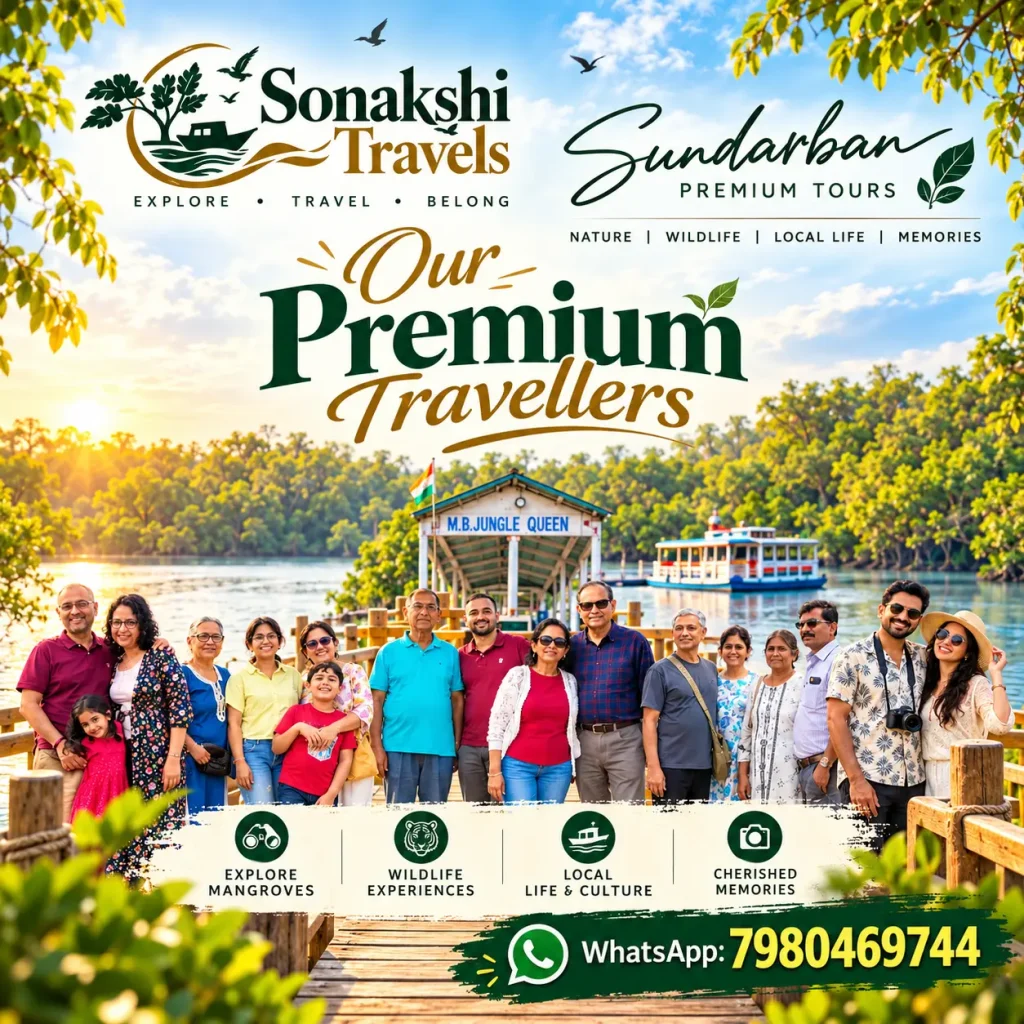
Immerse yourself in the extraordinary mangrove wilderness with our Sundarban Private Tour package, crafted for travelers who seek exclusivity, flexibility, and refined planning. This premium private safari experience in Sundarban allows you to explore the mangrove delta ecosystem at your own pace, supported by a dedicated naturalist, reserved vessel, and fully customized Sundarban itinerary. Whether you are organizing a private Sundarban family tour, a romantic couple’s escape, or a tailor-made wildlife expedition from Kolkata, every aspect — transport, accommodation, forest permissions, and guided excursions — is professionally coordinated for comfort and privacy.

Begin your journey with a private boat tour in Sundarban, cruising through narrow tidal rivers, serene creeks, and protected watchtower zones within the forest reserve. Discover the natural habitat of the Royal Bengal Tiger, observe spotted deer along riverbanks in this mangrove region. With an experienced guide leading your exclusive Sundarban wildlife safari, you gain deeper understanding of mangrove ecology and conservation practices, as well as insights into local delta communities — transforming your customized private Sundarban trip into a meaningful and immersive exploration.
Choose our Sundarban standard private tour if you prefer a balanced blend of exclusivity and structured wilderness discovery.
Luxury at Every Step: Indulge in a Premier Sundarban Getaway!
Sundarban Luxury Tour
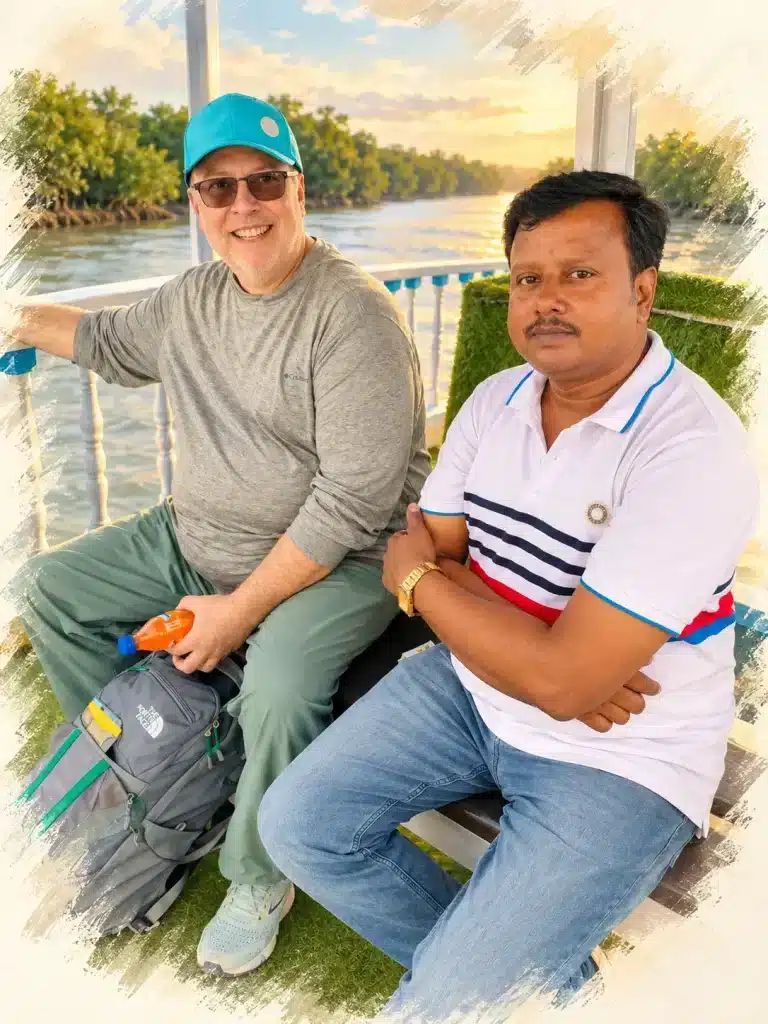
Experience refined exploration with our Sundarban Luxury Tour, a premium travel experience crafted for guests seeking elevated comfort within the heart of the mangrove wilderness. This high-end luxury safari in Sundarban combines private transportation, exclusive river cruising, premium resort stays, and curated hospitality services. Ideal for couples, families, and VIP travelers, our Sundarban luxury travel packages from Kolkata emphasize privacy, seamless coordination, and superior service from departure to return.
Cruise through tranquil waterways on a luxury boat in Sundarban, featuring spacious viewing decks and comfortable seating for uninterrupted delta views. Indulge in gourmet dining experiences prepared by dedicated culinary staff, relax in air-conditioned premium resort accommodation, and participate in guided wildlife excursions across renowned watchtower zones. From exploring the habitat of the Royal Bengal Tiger to immersive birdwatching and curated village interactions, each Sundarban luxury tour package is designed to deliver a sophisticated yet authentic mangrove expedition.
For discerning travelers seeking an exclusive Sundarban luxury private tour with personalized scheduling, premium amenities, and uninterrupted river journeys, this package offers a harmonious blend of high-end mangrove travel, comfort, and professionally managed hospitality.
Discover Sundarban’s Hidden Treasures with Our Exclusive Private Tours!
Sundarban Private Tour Package
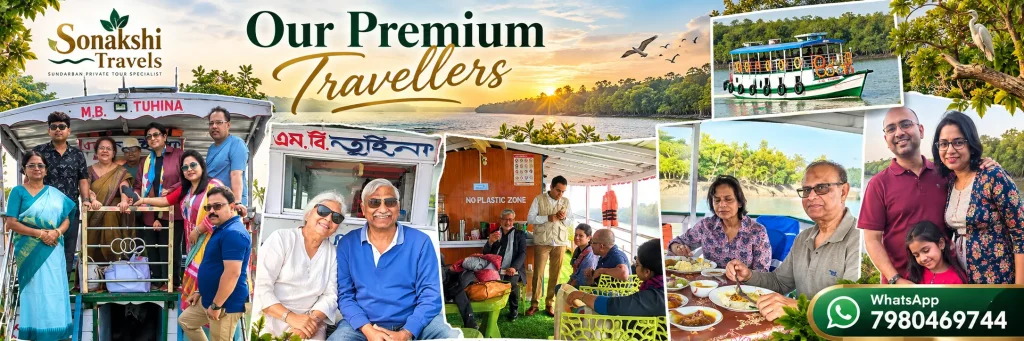
The Sundarban Private Tour Package is one of the most preferred options for travelers who seek a calm, personalized, and well-organized journey into the mangrove wilderness. Designed for those who value privacy and flexibility, this exclusive travel format allows you to explore the Sundarbans without the rush and limitations of shared group departures.
Unlike standard tours, this private Sundarban safari experience offers a reserved boat, dedicated guide, and customized itinerary tailored to your interests. Whether you are planning a family getaway from Kolkata, a romantic couple’s escape, or a photography-focused wildlife expedition, every element is carefully coordinated to ensure comfort and seamless movement through the delta.
Your journey begins with private air-conditioned transfers from Kolkata to the embarkation point, followed by a private boat tour in Sundarban navigating through tidal rivers, narrow creeks, and designated watchtower zones. With no shared passengers onboard, you enjoy uninterrupted river views and greater flexibility in safari timing.
During the excursion, you may observe the natural habitat of the Royal Bengal Tiger, spotted deer, estuarine crocodiles, and diverse bird species thriving across this mangrove ecosystem. Accompanied by an experienced naturalist, your Sundarban private wildlife tour becomes more than sightseeing — it transforms into an immersive ecological exploration.
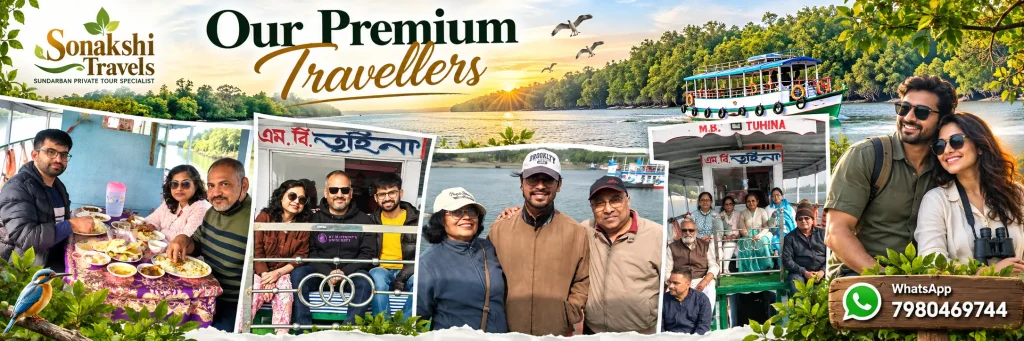
The package includes comfortable accommodation in air-conditioned resorts or private cottages, freshly prepared meals, forest entry permissions, and structured safari routes. Every aspect of this customized Sundarban private trip is managed professionally to ensure safety, transparency, and a relaxed travel rhythm.
For travelers who prefer exclusivity, slower pacing, and personalized service, the Sundarban Private Tour Package delivers a refined balance of wilderness discovery and private comfort.
. Features of Luxury Sundarban Private Tour Package
1. Private Air-Conditioned Car for Transport
- Enjoy the convenience and comfort of a fully private, air-conditioned car that picks you up directly from your home in Kolkata. Whether you’re starting your journey from a residence, hotel, or another location, we ensure a smooth, stress-free transfer to the Sundarban. The same luxury vehicle will be at your disposal for the return journey, offering seamless pickup and drop-off services.
2. Exclusive Private Boat for Sundarban Exploration
- Travel through the serene waterways of the Sundarban on a completely private boat. Unlike shared tours, no other travelers will be onboard, ensuring a peaceful and personalized exploration of the vast mangrove forests, rivers, and wildlife. Your boat journey will be tailored to your preferences, providing you with uninterrupted views of the wilderness and greater chances of spotting rare wildlife like Bengal tigers and crocodiles.
3. Dedicated Private Chef for Culinary Delights
- A private cook will accompany you throughout your journey, ensuring that all your meals are prepared fresh, hygienically, and according to your preferences. Whether you prefer traditional Bengali cuisine or have specific dietary requirements, your dedicated chef will customize the menu to suit your tastes, making every meal a delightful part of your luxury experience.
4. Personal Private Guide for Expert Insights
- Benefit from the knowledge and expertise of a dedicated private guide who will be with you throughout your tour. Our guides are highly experienced in the Sundarbans’ ecology, wildlife, and culture, providing fascinating insights into the region’s biodiversity and history. Whether you’re interested in nature, photography, or learning more about the local communities, your guide will tailor the experience to your interests.
5. Luxury Accommodation: Resorts or Cottages with Air-Conditioning
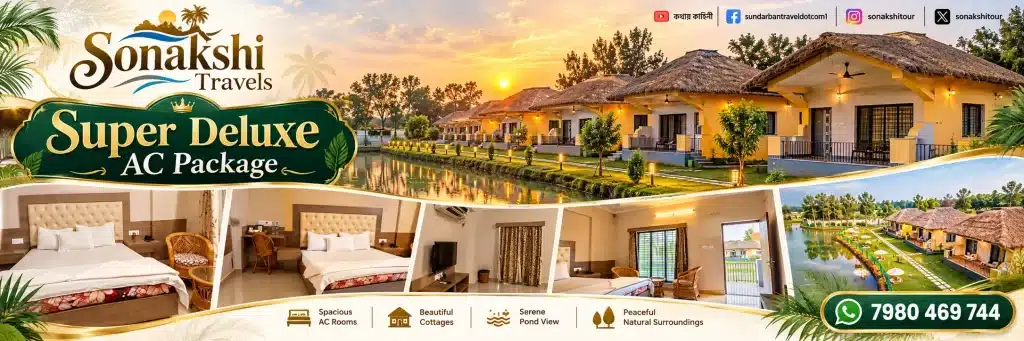
- Choose between a luxury resort or a cozy private cottage for your overnight stay. Both options come with air-conditioning, ensuring you are comfortable in the tropical climate of the Sundarban. Our carefully selected accommodations offer modern amenities, while still allowing you to experience the natural beauty of the surrounding mangroves. Whether you prefer the serene ambiance of a riverside cottage or the upscale facilities of a resort, we cater to your comfort and preferences.

In summery :
- Car: Completely Private and AC, pickup and drop from your home (Kolkata).
- Boat: Completely Private Boat for you, no others travellers will be allowed there to travel.
- Cook: A dedicate private cook for your food preparation.
- Pvt. Guide: A private guide for you.
- Night Stay: Resorts or Cottage, as per your choice, AC
Your Gateway to the Majestic Sundarban – Personalized Just for You!
Rooms here (AC PREMIUM PACKAGE)
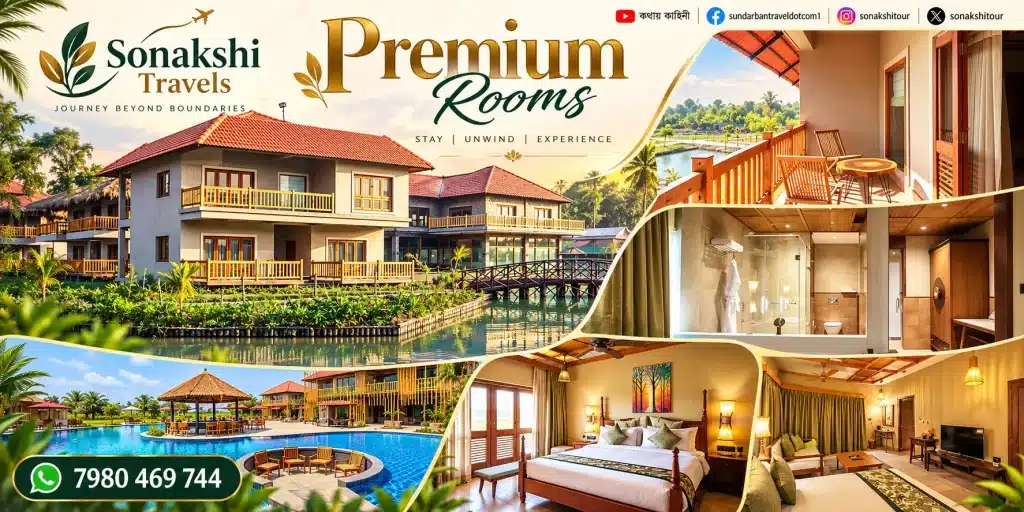
Sundarban Tour with Premium Resort
Unlock the Secrets of Sundarbans – Where Nature, Culture, and Luxury Collide!
The Sundarban Private Tour with premium resort in a popular Sundarban luxury tour package that covers the major attractions of Sundarban in a short duration of 1 night 2 days Sundarban Tour Package or 2 nights 3 days Sundarban Tour package.
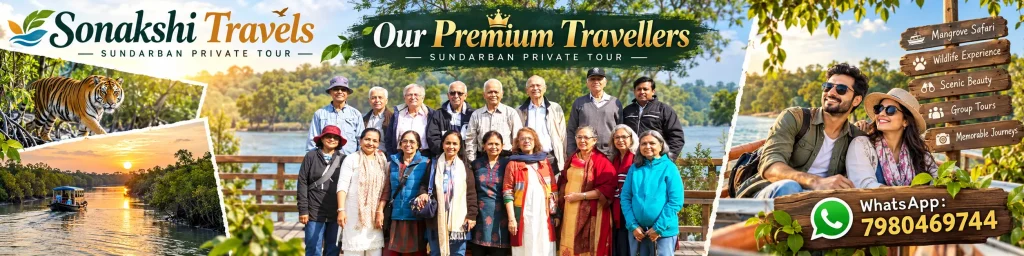
Sundarban private tour package itinerary:
1st Day
- The tour starts with a pickup from Kolkata and a 3-hour drive to Godkhali Jetty.
- On arrival, you will board a motorized boat and start your journey towards Sundarban.
- Enjoy the scenic boat ride through the mangrove forests and spot wildlife along the way.
- In the afternoon, reach the hotel and check-in at Hotel Sonar Bangla, a comfortable and hygienic hotel that offers air-conditioned rooms with modern amenities.
- After lunch, you can explore the nearby village or relax in the hotel.
2nd Day
- After breakfast, go for a full-day boat safari that includes visits to various watchtowers such as Sajnekhali, Sudhanyakhali, and Dobanki.
- Enjoy wildlife spotting, bird watching, and exploring the mangrove forests with your knowledgeable guide.
- Return to the hotel in the evening and enjoy dinner and cultural programs.
3rd Day
- After breakfast, check out from the hotel and board the boat back to Godkhali Jetty.
- On arrival, you will be transferred back to Kolkata.
The package includes all transportation, accommodation, meals, and guided tours, and excludes any personal expenses or additional activities not mentioned in the itinerary.
Overall, this Sundarban tour package offers a convenient and hassle-free way to explore the beauty and wildlife of Sundarban in a short duration of time.
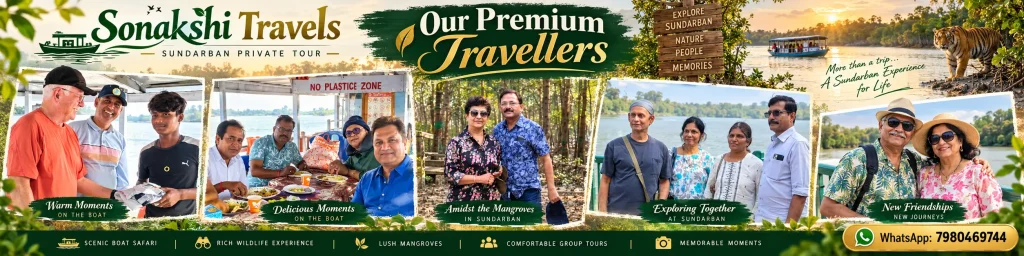
Call now: 7980469744 for Package cost
Discover, Hidden Treasures with Our Exclusive Sundarban’s Private Tours!
Rooms are here (AC DELUXE PACKAGE)
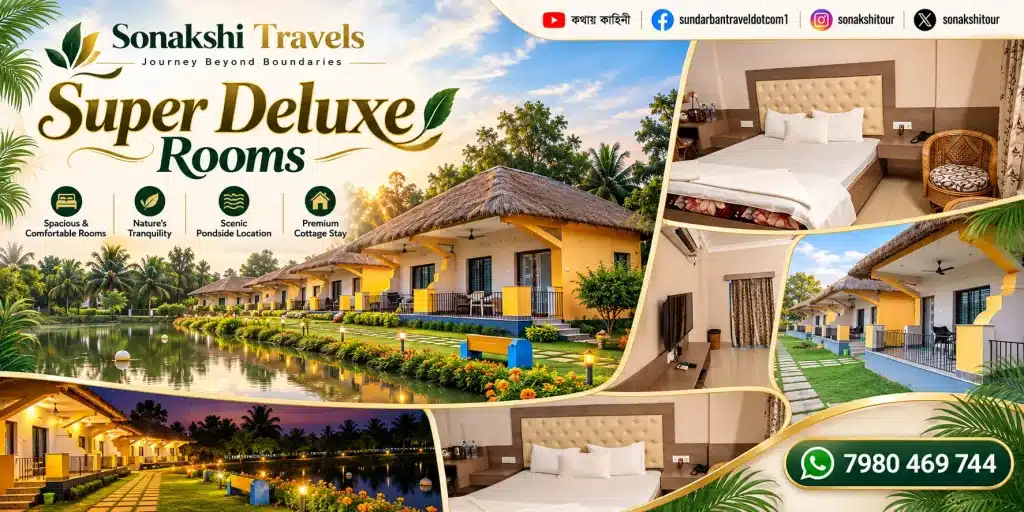
At Sundarban Tourism, we offer a wide range of accommodation options to suit every budget and preference. Whether you prefer to stay in luxury resorts or cozy campsites, we have something for everyone.
Book your Sundarbans private tourism package today and experience the wonder of this unique and vibrant ecosystem. Our packages are designed to cater to all interests and preferences, from wildlife enthusiasts to adventure seekers and culture lovers.
With our expert guides, state-of-the-art facilities, and personalized service, we guarantee an unforgettable experience that will leave you with memories to last a lifetime. Don’t miss out on this incredible opportunity to explore one of the most beautiful and fascinating destinations in the world!
Call : S. Talukdar: 7980469744 / 8583048848
Whatsapp: 7980469744 / 8583048848
Email: sonakshitour@gmail.com
Why you need Sundarban Private Luxury Tour?
- Customized Itinerary: A Sundarban private tour offers a tailor-made travel experience to suit your preferences.
- Exclusivity: The Sundarban luxury tour ensures that you have private access to boats, guides, and accommodations.
- Personalized Service: Dedicated guides and staff provide personalized attention throughout your Sundarban tour.
- No Crowds: With a Sundarban private tour, you avoid the crowds and explore the wilderness in peace.
- Private Safaris: A Sundarban luxury tour gives you the flexibility to have private safaris for optimal wildlife viewing.
- Luxurious Accommodations: Enjoy high-end resorts or private cottages during your Sundarban private luxury tour.
- Comfortable Travel: A Sundarban private travel includes private air-conditioned cars for comfortable transport.
- Exclusive Boat Ride: The Sundarban luxury tour provides exclusive access to private boats, avoiding shared space.
- Gourmet Dining: A dedicated chef caters to your culinary preferences during the Sundarban luxury tour.
- Flexible Schedule: A Sundarban private tour allows you to set your own pace and schedule.
- Privacy: You can enjoy complete privacy throughout your Sundarban luxury tour, free from interruptions.
- Unique Wildlife Encounters: A Sundarban private tour package increases your chances of seeing wildlife, including tigers, up close.
- Expert Guidance: On a Sundarban luxury tour, experienced guides provide detailed knowledge of the area.
- Safety First: Private tours are more secure, with all safety measures customized to your group.
- Peaceful Environment: A Sundarban private tour lets you experience the tranquility of the region without disturbances.
- Tailored Wildlife Experience: The Sundarban luxury tour focuses on your specific wildlife interests, from tigers to birds.
- Luxury Boats: Travel in style with private, high-end boats on your Sundarban private tour.
- Air-Conditioned Comfort: The Sundarban luxury tour includes fully air-conditioned transport and accommodation for added comfort.
- Local Cultural Insights: A Sundarban private trip includes exclusive visits to local villages, guided by experts.
- Exclusive Access: The Sundarban luxury tour provides access to remote spot of the Sundarbans not available on standard tours.
- Customized Adventure: Whether it’s birdwatching or photography, your Sundarban tour is tailored to your hobbies.
- Uninterrupted Nature: The Sundarban luxury travel allows you to enjoy the natural beauty of the region without distractions.
- Personalized Guide Attention: The guide on your Sundarban tour offers one-on-one insights and assistance.
- Luxury Relaxation: The Sundarban luxury tour offers premium resorts with spa services for ultimate relaxation.
- Exclusive Tiger Spotting: A Sundarban tour focuses on maximizing your chances to see the Royal Bengal Tiger.
- Hassle-Free Travel: A Sundarban private tour eliminates the stress of group travel, allowing for a hassle-free experience.
- Handpicked Accommodations: The best and most exclusive resorts are selected for your Sundarban luxury tour.
- Private River Cruises: Enjoy serene private river cruises as part of your Sundarban private tour.
- Flexible Departure Times: Your Sundarban luxury trip allows for flexible timings, so you’re not bound by a fixed schedule.
- Exclusive Cultural Experiences: The Sundarban private tour plan offers unique interactions with local communities.
- First-Class Service: The Sundarban luxury tour package ensures premium service from start to finish.
- Focus on Sustainability: Many Sundarban private tours emphasize eco-friendly and sustainable travel options.
- Customized Family Tours: The Sundarban luxury tours can be customized for families, ensuring comfort and safety for all ages.
- Private Wildlife Photography Tours: The Sundarban private tour is ideal for wildlife photographers seeking undisturbed nature.
- Unique Eco-Tourism: The Sundarban luxury tour offers a combination of eco-tourism and luxury accommodations.
- Completely Stress-Free: Your Sundarban luxury trip is fully managed by the tour provider, eliminating stress.
- Personalized Wildlife Briefings: On a Sundarban deluxe tour, your guide provides in-depth briefings on local wildlife.
- Ideal for Couples: A Sundarban private tour is perfect for couples seeking a romantic, secluded getaway.
- Luxury Spa Services: Pamper yourself with spa treatments during your Sundarban luxury tour.
- Exclusive Mangrove Exploration: The Sundarban premium tour offers detailed exploration of the Sundarbans’ unique mangrove forests.
- Customized Group Experiences: Whether it’s a family or group of friends, the Sundarban family tour can be fully customized.
- Private Nature Walks: Experience exclusive nature walks on your Sundarban private tour for an intimate exploration.
- Seamless Transfers: The Sundarban luxury tour ensures seamless transfers between your boat, car, and accommodations.
- Luxury Safari Experience: Enjoy private, air-conditioned safaris as part of your Sundarban private tour.
- Exclusive Birdwatching Tours: Your Sundarban luxury tour can focus on birdwatching with personalized itineraries.
- VIP Treatment: From private boat decks to exclusive lounges, the Sundarban luxury tour offers VIP experiences.
- Memorable Experiences: A Sundarban private safari ensures that every moment is designed to create lifelong memories.
General Information about Sundarban Tours
- What is the best time for a Sundarban private tour?
- What makes Sundarban luxury tours unique?
- How many days are ideal for a Sundarban private tour package?
- Can Sundarban tours be customized for private groups?
- What wildlife can you see during a Sundarban luxury tour?
- Are Sundarban private tours suitable for families?
- What is the cost of a Sundarban luxury tour package?
- How to book a private Sundarban tour online?
- What are the best Sundarban private tour operators?
- Are Sundarban luxury tours safe for children?
Transportation & Accessibility
- How to reach Sundarban for a private tour?
- Are private boat options available for Sundarban luxury tours?
- Is transportation included in Sundarban private tour packages?
- What is the nearest airport to Sundarban for a luxury tour?
- Can private cars be arranged for Sundarban tours?
Guest Testimonials – Sundarban Private & Luxury Tour
★★★★★ 5.0 | Arindam Sen – Kolkata
Our Sundarban Private Tour Package was exceptionally well organized. The private boat safari allowed us to explore peacefully without crowds. The guide was knowledgeable and attentive throughout the journey.
★★★★★ 5.0 | Ritu Sharma – Delhi
The Sundarban Luxury Tour exceeded expectations. From AC transfers to premium resort stay, every detail reflected comfort and exclusivity. Highly recommended for couples seeking privacy.
★★★★☆ 4.8 | S. Mukherjee – Mumbai
A perfectly curated private wildlife safari in Sundarban. The dedicated guide provided in-depth ecological insights, making the experience educational and immersive.
★★★★★ 5.0 | Neha Agarwal – Bangalore
The luxury boat cruise through the mangroves was serene and exclusive. This is truly a premium Sundarban luxury travel package.
★★★★★ 5.0 | Anup Roy – Kolkata
Ideal for families. Our Sundarban private family tour was smooth, safe, and completely stress-free.
★★★★☆ 4.7 | Priya Nair – Chennai
The customized itinerary made our exclusive Sundarban safari feel personal and flexible.
★★★★★ 5.0 | Rahul Das – Guwahati
Private AC transport and seamless coordination made this Sundarban premium tour effortless.
★★★★★ 5.0 | Meenakshi Iyer – Hyderabad
The resort accommodation during our Sundarban luxury resort stay was comfortable and well maintained.
★★★★☆ 4.9 | Debashish Paul – Kolkata
Our private boat tour allowed uninterrupted wildlife observation. A truly refined Sundarban private safari experience.
★★★★★ 5.0 | Kavita Singh – Jaipur
The gourmet meals onboard made the luxury Sundarban boat tour even more memorable.
★★★★★ 5.0 | Abhijit Ghosh – Siliguri
The attention to safety and comfort throughout the Sundarban VIP tour package was impressive.
★★★★☆ 4.8 | Shalini Kapoor – Noida
Perfect honeymoon setting. The Sundarban luxury private tour offered exclusivity and tranquility.
★★★★★ 5.0 | Tapan Chatterjee – Kolkata
The private nature walk added depth to our Sundarban eco-luxury tour.
★★★★★ 5.0 | Sneha Patel – Ahmedabad
Highly professional coordination for our custom Sundarban private tour from Kolkata.
★★★★☆ 4.7 | Rajiv Mehta – Pune
A well-balanced blend of wildlife and comfort in this Sundarban deluxe tour package.
★★★★★ 5.0 | Pooja Banerjee – Kolkata
The personalized safari timings made our exclusive Sundarban wildlife safari unique.
★★★★★ 5.0 | Imran Khan – Lucknow
Excellent guide support during our Sundarban private boat safari.
★★★★☆ 4.9 | Rohit Verma – Chandigarh
Comfortable resort stay combined with peaceful cruising — a true Sundarban high-end tourism experience.
★★★★★ 5.0 | Ananya Dutta – Kolkata
The flexibility of our tailor-made Sundarban private tour made all the difference.
★★★★★ 5.0 | Kunal Bhatia – Indore
Highly recommended for photographers. A superb Sundarban private photography tour.
★★★★☆ 4.8 | Aparna Nandi – Kolkata
The curated hospitality elevated our Sundarban luxury cruise experience.
★★★★★ 5.0 | Vivek Rao – Bangalore
Professional service from pickup to return in this Sundarban all-inclusive private tour.
★★★★★ 5.0 | Rhea Malhotra – Gurgaon
The peaceful mangrove exploration during our premium Sundarban travel package was remarkable.
★★★★☆ 4.7 | Subhajit Sarkar – Kolkata
Excellent balance between adventure and comfort in this Sundarban luxury safari.
★★★★★ 5.0 | Monica Reddy – Hyderabad
The private transfers and exclusive boat ensured complete privacy throughout our Sundarban private travel experience.
★★★★★ 5.0 | Harsh Gupta – Kanpur
Outstanding hospitality in this Sundarban luxury holiday package.
★★★★☆ 4.9 | Tanushree Pal – Kolkata
Seamless forest permissions and structured safari routes during our Sundarban premium safari tour.
★★★★★ 5.0 | Arpita Sen – Kolkata
The uninterrupted river cruise made our Sundarban exclusive private tour unforgettable.
★★★★★ 5.0 | Manish Tiwari – Bhopal
A refined and peaceful Sundarban luxury tour package ideal for relaxation and nature immersion.
★★★★☆ 4.8 | Debolina Roy – Kolkata
The overall experience of our Sundarban private luxury safari was smooth, comfortable, and memorable.