Sundarban Tourism: Exploring the Cultural Heritage of the World’s Largest Mangrove Delta
Sundarban tourism is widely recognized for its labyrinth of tidal rivers, dense mangrove forests, and the mystique of the Royal Bengal Tiger. Yet beyond wildlife exploration, the delta reveals an equally compelling dimension—its living cultural heritage. As documented across the broader landscape of Sundarban Travel, the region represents a rare confluence of ecology and civilization where communities have adapted to shifting tides, saline soil, and unpredictable cyclones for centuries.
Formed by the confluence of the Ganga, Brahmaputra, and Meghna river systems, the Sundarbans stand as the largest mangrove delta on Earth. Here, faith, folklore, livelihood, and environment are inseparable. Cultural tourism in the Sundarbans is not confined to monuments or museums; it unfolds in village courtyards, riverside ghats, forest shrines, and seasonal fairs. Travelers seeking depth beyond safari experiences will discover that the cultural identity of the delta is as profound as its biodiversity.
The Cultural Landscape of the Sundarbans
The settlement history of the Sundarbans reflects migration, reclamation, and resilience. Bengali agrarian families, Oriya settlers, and indigenous communities gradually transformed forested islands into cultivable land. Life here demanded cooperation and ecological sensitivity. Unlike urban cultural expressions shaped by commerce and industry, Sundarban culture evolved in response to tides, monsoons, and forest dependence.
Rituals and daily practices are closely aligned with seasonal fishing cycles, honey collection periods, and agricultural rhythms. Many travelers exploring the region through structured delta expeditions such as a comprehensive guided mangrove exploration program often discover that understanding local belief systems enhances the overall travel experience.
Bonbibi: Spiritual Ecology of the Delta
Central to Sundarban cultural heritage is the worship of Bonbibi, revered as the protector of forest workers. Before entering tiger territory for honey gathering or fishing, locals invoke her blessings. This practice transcends religious divisions, symbolizing unity among Hindu and Muslim communities who share the same ecological risks.
The Bonbibi narrative emphasizes restraint, humility, and ethical interaction with nature. Her legend is recited through folk theatre and ritual performances, reinforcing environmental respect. For heritage-focused travelers, these practices illustrate how spirituality functions as a cultural mechanism for ecological balance.
Village Life and Traditional Occupations
Village settlements across the delta offer insight into livelihoods shaped by waterways. Wooden boats remain indispensable for transport and trade. Occupations typically include:
River and estuarine fishing
Prawn seed and crab collection
Honey harvesting within forest zones
Boat construction and repair
Handicraft production using local fibers and wood
Homes are often built with mud walls and thatched roofs, elevated to withstand tidal surges. Community solidarity is visible during festivals and in collective responses to natural disasters. Travelers opting for curated experiences such as a well-structured Sundarban itinerary with cultural immersion frequently engage directly with village communities, gaining perspective on sustainable rural living.
Folk Arts, Music, and Intangible Heritage
The Sundarbans preserve a rich oral tradition expressed through music, storytelling, and ritual theatre. These art forms serve as repositories of collective memory, ecological wisdom, and social philosophy.
Baul Philosophy and Bhatiyali River Songs
Baul singers, known for their mystical poetry, perform devotional compositions that transcend religious boundaries. Their songs emphasize inner spirituality and universal harmony. Equally evocative are Bhatiyali songs—melodies sung by boatmen navigating tidal currents. These river songs capture longing, migration, and the intimate bond between humans and waterways.
Dance, Ritual Drama, and Seasonal Performances
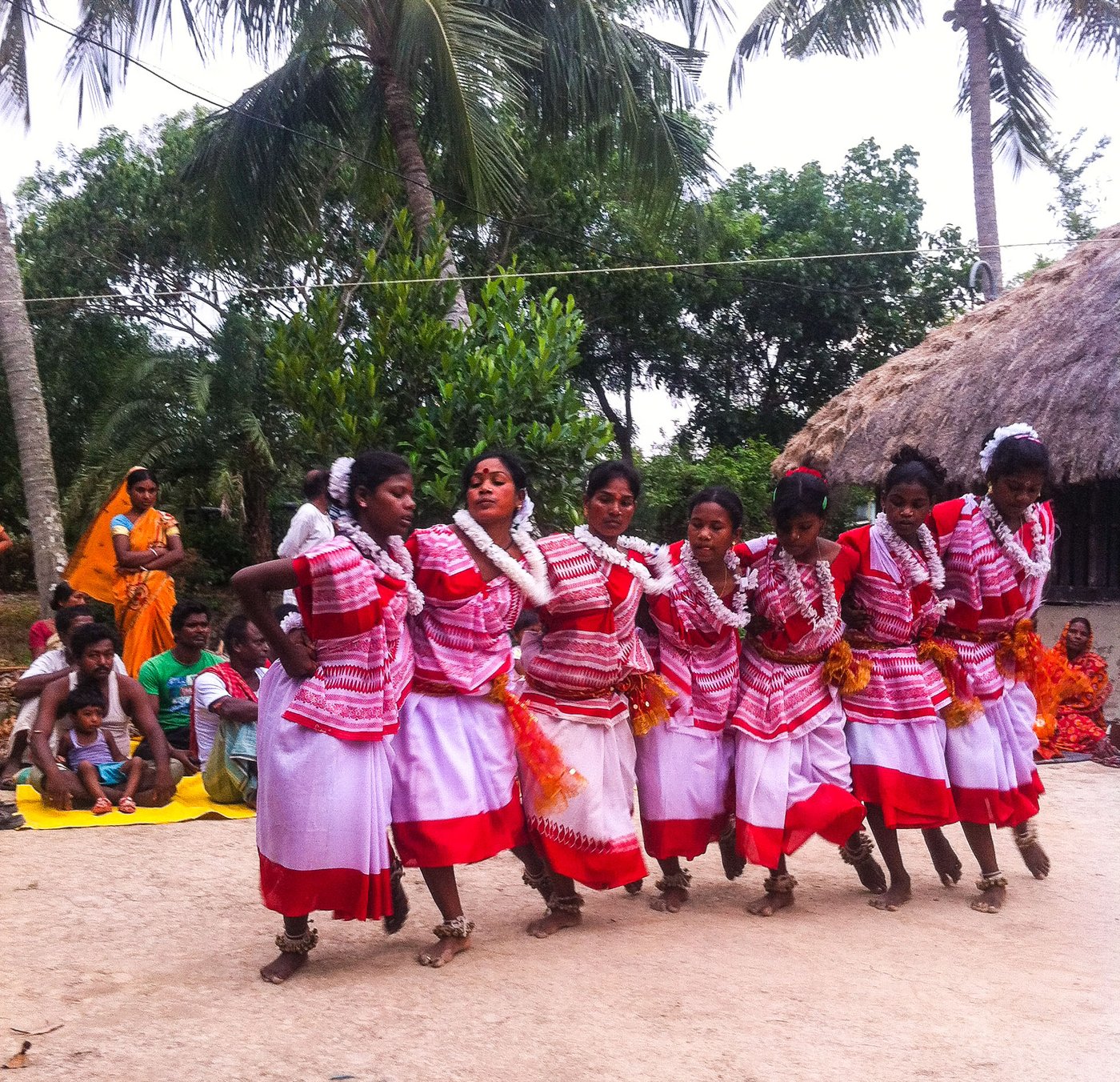
Village fairs and seasonal gatherings feature performances depicting Bonbibi legends and agrarian rituals. These modest yet expressive art forms reinforce moral narratives and social cohesion. Observing such performances offers travelers a deeper anthropological understanding of delta culture.
Culinary Traditions of the Delta
Cuisine in the Sundarbans reflects geography and resource availability. Riverine ecosystems supply fish and crustaceans, while limited agricultural land encourages inventive use of seasonal vegetables and grains.
Hilsa and Coastal Specialties
Hilsa fish holds both gastronomic and symbolic value in Bengali culture. Prepared with mustard paste and minimal spices, it exemplifies the simplicity and depth of delta cuisine. Crab curries, prawn dishes, and freshwater fish preparations are equally prominent. Seasonal culinary celebrations are particularly highlighted during the annual Sundarban Hilsa Festival 2026, when food traditions become central to the travel experience.
Traditional Cooking Techniques
Cooking often takes place in earthen ovens fueled by wood or dried biomass. Mustard oil, coconut, and locally grown herbs create distinctive flavors. Even vegetarian dishes—featuring pumpkin, brinjal, lentils, and leafy greens—reflect adaptation to saline soil and climatic constraints.
Festivals and Cultural Fairs
Religious and seasonal festivals define the rhythm of Sundarban life. Durga Puja and Kali Puja are celebrated with intimate devotion in island villages, distinct from urban grandeur. Community feasts and devotional songs strengthen social bonds.
Raas Mela: A Delta Gathering
Raas Mela, typically organized in November, draws pilgrims, artisans, and performers from across the region. Handicrafts, sweets, fishing equipment, and ritual objects fill temporary marketplaces. Cultural programs extend into the night, offering a vibrant display of rural artistry.
Travelers planning short yet meaningful journeys often combine cultural events with compact itineraries such as the Sundarban 1 Night 2 Days Tour Package, which allows participation in seasonal fairs alongside forest exploration.
Historical and Architectural Context
Although the Sundarbans are primarily celebrated for ecological richness, nearby districts contribute significant historical depth. Colonial-era structures, Islamic monuments, and regional palaces provide architectural insight into Bengal’s layered past.
Hazarduari Palace
Located in Murshidabad, Hazarduari Palace exemplifies Indo-European architecture of the 19th century. Its galleries preserve manuscripts, weaponry, and artifacts that narrate Bengal’s administrative history.
Katra Mosque and Adina Mosque
These historic mosques in Murshidabad and Malda represent significant medieval Islamic architecture. Their expansive courtyards and detailed inscriptions illustrate Bengal’s cultural exchanges across centuries.
For visitors seeking refined comfort while exploring both heritage and wilderness, curated experiences such as an exclusive Sundarban private tour can seamlessly integrate cultural excursions with premium river cruising.
Sustainable Cultural Tourism Practices
The Sundarbans remain ecologically fragile and climate-sensitive. Responsible tourism practices are essential for preserving both natural habitats and cultural integrity.
Avoid single-use plastics and littering.
Seek consent before photographing villagers.
Follow forest department guidelines strictly.
Support local artisans and cooperatives.
Respect religious customs and dress modestly.
Travelers who prioritize sustainability often prefer thoughtfully designed programs such as a carefully managed luxury Sundarban experience that balances comfort with environmental responsibility.
Best Time for Cultural Exploration
The optimal season for Sundarban cultural tourism extends from November to February. Cooler weather ensures comfortable travel conditions and improved wildlife visibility. This period coincides with major fairs, festive gatherings, and community celebrations, making it ideal for immersive cultural study.
Frequently Asked Questions
What distinguishes Sundarban cultural tourism?
It integrates village life, folk traditions, cuisine, festivals, and ecological understanding within a mangrove environment.
Is community interaction possible?
Yes. Structured itineraries often include guided visits to villages where travelers learn about fishing techniques, handicrafts, and local rituals.
What type of accommodation is available?
Options range from eco-lodges and homestays to premium river-view resorts, depending on travel preferences.
What attire is recommended?
Lightweight, modest clothing with sun protection is advisable due to tropical conditions.
A Living Delta Civilization
Sundarban tourism encompasses far more than wildlife safaris. It offers immersion into a civilization shaped by tides, forests, and faith. From Bonbibi worship and river songs to Hilsa cuisine and seasonal fairs, the cultural heritage of the delta reflects adaptation and resilience.
For travelers seeking depth, authenticity, and responsible exploration, the Sundarbans present a destination where ecology and culture converge. Thoughtfully curated journeys ensure meaningful engagement with local communities while safeguarding one of the world’s most distinctive mangrove landscapes.