Why Small Groups Are Switching from Shared Packages to Private Sundarban Tours
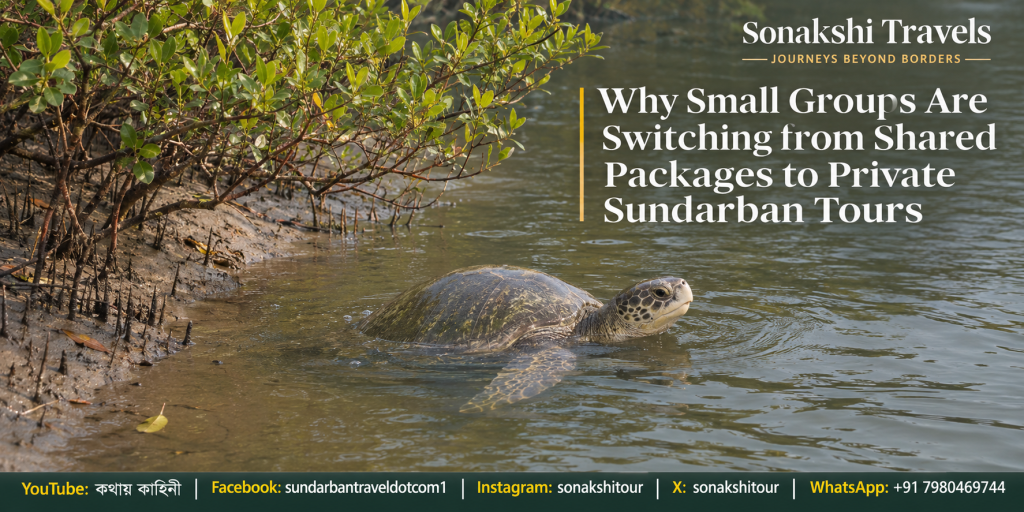
For years, a shared tour was the obvious choice for many small groups visiting the Sundarbans. The arrangement was simple: reserve a few seats, join other travellers and follow a prearranged sightseeing programme. Yet families and groups of close friends increasingly have another option to consider. A Sundarban private tour allows them to reserve a boat for their own party, organise selected services around their needs and experience the mangrove wilderness without sharing every moment with strangers. The attraction is not necessarily extravagance. It is the possibility of making the holiday more comfortable, more personal and, in some circumstances, surprisingly reasonable when the expense is divided among several travellers.
There is no verified public dataset demonstrating precisely how many Sundarban visitors have changed from shared to private packages. Nevertheless, the reasons a small group might consider making that change are practical and worth examining. A group of four friends may want more time for photography. Two couples may prefer quiet conversations without competing with a large sightseeing party. A family with children and grandparents may find that a fixed shared schedule does not accommodate everyone’s needs equally well.
The Sundarbans make these considerations particularly important. Much of the protected-area sightseeing experience takes place aboard tourist boats navigating tidal waterways. Unlike a conventional road holiday, visitors cannot simply leave a crowded vehicle and explore the forest independently. The comfort, passenger arrangements and atmosphere of the boat therefore influence a substantial part of the day.
1. Why Small Groups Are Rethinking Shared Sundarban Packages
Shared packages serve an important purpose. They make travel affordable by dividing costs among unrelated passengers and allow operators to organise transport, sightseeing and meals for several bookings together. For solo travellers and people who enjoy meeting new companions, this can be an entirely satisfactory arrangement.
Small groups, however, occupy an interesting position between individual travellers and large organised parties. They already have companions, shared plans and a degree of agreement about how they want to spend their holiday. Adding unrelated passengers may reduce costs, but it can also introduce preferences that are difficult to reconcile.
Four Friends May Not Want the Same Experience as Twenty Tourists
Consider a group of four adults interested in wildlife photography. They may want to remain relatively quiet during sightings, avoid unnecessary movement around the deck and ask their guide detailed questions about birds and animal behaviour.
A shared tour might bring together that group with families, casual sightseers and other travellers whose priorities differ. Everyone has an equal right to enjoy the excursion, but the resulting compromises may leave the photographers dissatisfied.
On a private boat, the four friends can communicate their priorities beforehand and coordinate more easily during the journey. The route and permitted operating schedule remain controlled by forest regulations, but the onboard experience can be better aligned with their interests.
The Same Consideration Applies to Families
A family group may include children, working adults and older relatives. Their needs can involve different meal preferences, seating requirements and levels of interest in wildlife observation.
When the sightseeing vessel serves only the booked party, these preferences may be easier to organise. Parents can coordinate children’s activities, older travellers may find a more suitable seating position, and everyone can communicate directly with the guide.
Private travel is not automatically necessary for such groups. But it is understandable why families who find shared sightseeing restrictive may prefer an exclusive arrangement.
2. The Economics of a Private Sundarban Tour Change with Group Size
One of the strongest reasons small groups consider private packages is that the financial difference can become easier to justify when several people share the costs.
A dedicated sightseeing boat requires fuel, crew, maintenance and applicable operating arrangements whether it carries two guests or a larger private party. The exact price depends on the vessel and package, but many of these operating expenses do not increase proportionately with every additional passenger.
Consequently, a private excursion that seems expensive for a couple may represent a different value proposition for four, five or six adults.
Consider the Whole Group Price
Travellers often compare a shared package’s per-person quotation with a private package’s total group price. This can make the private option appear more expensive than it really is, simply because the figures are presented differently.
The correct comparison requires converting both quotations to a common basis. Identify the number of paying adults, the ages of any children, the duration and the exact services included.
For example, the following amounts are entirely hypothetical and are intended only to demonstrate how group-size calculations work. They are not current market quotations.
| Illustrative Comparison | Shared Package | Private Package |
|---|---|---|
| Number of adults | 4 | 4 |
| Illustrative price per adult | ₹7,000 | ₹10,500 |
| Illustrative group total | ₹28,000 | ₹42,000 |
| Sightseeing boat | Shared with other bookings | Reserved for the group |
| Travel arrangements | Fixed group programme | Agreed private-party programme |
| Accommodation | As specified in quotation | As specified in quotation |
In this example, the group would pay an additional ₹14,000, or ₹3,500 per adult, for the private arrangement. Whether that difference is worthwhile depends on the actual accommodation, transport, meals and sightseeing services offered.
The comparison should never assume that packages with different inclusions are directly equivalent. Private road transfers, better rooms or additional guiding may explain part of a higher quotation.
The Most Expensive Package Is Not Necessarily the Best Choice
A group primarily interested in birdwatching may prefer to invest in a suitable private boat and knowledgeable guide while choosing modest accommodation. Another group celebrating a family occasion may value an upgraded resort and more personalised dining arrangements.
Both choices can be sensible. The important point is that private travel can be configured around priorities rather than automatically treated as the most expensive version of a standard holiday.
3. Why an Exclusive Boat Can Change the Entire Safari Experience
The largest difference between shared and private Sundarban travel often becomes apparent once passengers board the boat.
Tourist vessels vary in size, layout and facilities. Some have substantial seating areas and shaded decks, while others offer simpler arrangements. A shared boat may be well managed and entirely comfortable, but visitors still have to accommodate fellow passengers from different bookings.
A dedicated vessel removes that particular complication.
More Comfortable Viewing Positions
When wildlife appears along the riverbank, passengers naturally move towards suitable observation points. On a busy vessel, several people may try to see or photograph the same animal simultaneously.
For small groups travelling privately, it may be easier to coordinate viewing positions without obstructing one another. Photographers can keep equipment organised, while people who prefer to remain seated may have a better chance of enjoying an uninterrupted view.
However, exclusivity does not guarantee a large or luxurious boat. Travellers should examine current photographs, seating arrangements, shade, toilet facilities and the vessel’s permitted passenger capacity before confirming a booking.
A Calmer Atmosphere for Observation
Much of the Sundarbans’ appeal lies in subtle activity. A bird may emerge from the mangroves, a spotted deer may appear briefly along the bank, or the shape of a crocodile may become visible against the mud.
Quiet observation can help visitors notice these details. A private group may find it easier to agree on low conversation levels and limit unnecessary movement while watching wildlife.
That does not guarantee better sightings. Animal movements remain unpredictable, and other boats may still be present on authorised routes.
The advantage is primarily experiential: fewer competing distractions and an atmosphere better suited to the preferences of the travelling party.
What Private Boat Travel Actually Includes
Under a genuine exclusive arrangement, unrelated paying tourists should not join the booked group on the sightseeing vessel. The operating crew, authorised guide and agreed support personnel remain aboard because they are essential to the journey.
A Sundarban private tour should define the exclusive services clearly, including whether the private arrangement covers every scheduled sightseeing segment.
It is equally important to confirm whether private road transfers and accommodation are included or priced separately.
4. Small Groups Gain More Control Over Their Shared Interests
Travelling with people who know one another creates a practical advantage: the group can decide what matters before the journey begins.
A party of experienced birdwatchers may be interested in kingfishers, raptors and wetland birds. A family travelling with children may prefer accessible explanations about mangrove plants and animals. Friends visiting primarily for relaxation may care more about comfortable seating and a peaceful atmosphere.
On a shared tour, the guide must address the needs of multiple parties. A private booking allows the conversation to concentrate more closely on one group’s interests.
More Individual Attention from the Guide
A knowledgeable guide can make a substantial difference to how visitors understand the Sundarbans. The region’s wildlife, tidal processes and mangrove ecology are not always immediately obvious to an unfamiliar observer.
A small group can ask detailed questions, discuss what it sees and request explanations suited to its level of interest. A photographer might want to understand an animal’s behaviour, while a child may be curious about exposed mangrove roots.
The actual quality of interpretation depends on the guide’s knowledge and communication skills. Travellers seeking specialist birdwatching or wildlife expertise should confirm whether an appropriately experienced naturalist is available and whether additional fees apply.
Better Coordination, Not Unlimited Flexibility
One of the misunderstandings surrounding private safaris is the belief that paying for a dedicated boat allows unrestricted changes to the forest itinerary.
In reality, the boat must continue to follow authorised routes, permitted operating schedules and instructions from forest authorities. Navigation also depends on tides, weather and safety considerations.
Private guests may be able to discuss travel preferences, meal arrangements and the programme’s structure before departure. Within permitted limits, the operator may accommodate reasonable adjustments.
But exclusivity cannot authorise a prohibited route, allow unauthorised disembarkation or extend sightseeing beyond an official restriction.
This distinction is important: a well-organised private tour offers greater personal coordination within the rules, not freedom from the rules themselves.
5. Why Families and Couples Often Benefit Most from Private Arrangements
Small-group travel frequently involves people whose comfort and personal relationships are central to the holiday.
For families, remaining together on an exclusively reserved sightseeing boat may simplify supervision and communication. Parents can keep children close, coordinate meals and avoid competing with unrelated passengers for suitable places to sit.
For older travellers, reduced crowding may also be welcome. However, suitable boarding arrangements, supportive seating, functional toilets and accessibility should be checked individually; not all private vessels are equally well equipped.
Family Travel with Different Generations
A group containing grandparents, parents and children may benefit from discussing everyone’s needs before booking.
Older relatives might require comfortable seating and assistance at jetties. Younger children may need familiar food or reassurance during an extended river excursion. Adults may want opportunities for photography and wildlife observation.
A private operator can consider these needs when preparing the arrangements, but specific services should appear in the booking confirmation.
Children must still follow boat-safety instructions, wear appropriate life jackets as directed and remain under adult supervision.
Couples Travelling Together
Two couples or a couple celebrating a special occasion may value privacy more than the social atmosphere of a shared excursion.
A dedicated boat allows companions to enjoy time together without sharing the same space with a larger group of unfamiliar travellers.
Those interested in the particular appeal of couples’ travel can read Sundarban Private Tour for Couples: Privacy, Comfort and Wilderness Without the Crowd.
Such an arrangement need not involve expensive romantic extras. For many couples, a comfortable vessel, suitable accommodation and a calm day observing the mangrove landscape are sufficient.
6. Does a Private Package Need to Be a Luxury Package?
Private and luxury travel are closely associated in marketing, but they describe different aspects of a holiday.
Private travel concerns the exclusivity of agreed services. Luxury travel concerns comfort, facilities, accommodation quality and the level of personal attention.
A group can reserve a dedicated boat while staying in comfortable standard accommodation. Conversely, visitors may book premium hotel rooms while participating in a shared sightseeing excursion.
When Upgraded Accommodation Is Worthwhile
Some small groups enjoy returning from a long sightseeing day to a premium room with greater space and additional amenities. This can be especially appealing for family celebrations, older travellers or visitors who place substantial importance on accommodation comfort.
A Sundarban luxury tour may be considered by travellers seeking higher levels of comfort, although its exact services and accommodation standards must be verified directly.
Property names, room categories, actual photographs, bathroom facilities and applicable additional charges are more useful than broad descriptions such as premium or five-star.
Travellers should not assume that a commercial luxury label represents an officially recognised hotel classification.
Where a Standard Private Package Offers Better Value
For nature enthusiasts, a clean room and functional amenities may be sufficient. Their priority may be a suitable boat, experienced guide and carefully structured safari time.
In such circumstances, spending heavily on accommodation could provide less personal benefit than choosing more appropriate wildlife-viewing arrangements.
When comparing a Sundarban private tour package, travellers should identify which facilities are essential, which are desirable and which are unlikely to influence their enjoyment.
That approach helps small groups gain the advantages of private travel without automatically purchasing every luxury upgrade offered.
7. Private Transport and Personalised Meals: Why Small Details Matter
The safari boat may be the centre of the experience, but the journey begins before boarding.
Many visitors travel from Kolkata towards an appropriate boat-boarding point, while others begin their trip closer to the delta. The Sundarban Tiger Reserve identifies Godkhali and Dhamakhali as important boarding gateways, with the relevant route depending on the operator’s arrangements.
Private Road Transfers Can Simplify a Group Holiday
Shared transfers may require passengers to reach common collection points and follow a timetable suited to multiple bookings.
For four or five people travelling together, a dedicated vehicle may provide greater convenience. The group can agree on a pickup location, organise its luggage and travel without coordinating with unfamiliar passengers.
However, a private sightseeing boat does not automatically mean private transport is included. Travellers should confirm vehicle type, pickup address, return arrangements and any additional charges.
Menus Can Reflect Group Preferences
Shared tours commonly use standard menus because they need to serve several parties efficiently.
Private arrangements may offer opportunities to discuss vegetarian requirements, specific regional dishes or adjustments for children and older guests.
These preferences should be communicated before the journey. Significant allergies require particular attention, since private booking alone does not establish that a separate preparation environment is available.
Drinking-water provision and waste management must also comply with current forest rules.
The Convenience of One Agreed Programme
Small groups often appreciate having transport, meals, accommodation and sightseeing arrangements explained in a single itinerary.
This reduces uncertainty about what happens next and who is responsible for each service.
Nevertheless, travellers should understand that an operator may coordinate several suppliers. The value of private travel lies in making the arrangements clear and suitable, not in assuming that every service is automatically exclusive.
8. Why Itinerary Quality Matters More Than the Number of Attractions
Small groups changing from shared packages to private arrangements often hope for a less hurried journey. This makes itinerary design particularly important.
A programme containing many named stops can appear impressive, but it may leave limited time for observing the landscape between destinations.
In the Sundarbans, tides, routes, permissions and practical navigation determine what can be achieved during the day.
One Day, One Night or Two Nights?
A private one-day excursion may suit a group with limited time. However, transfers to and from the boarding point can consume a significant proportion of the day.
One night and two days allow an overnight stay and an agreed sightseeing programme. Two nights and three days can provide additional room for exploration and relaxation, depending on how the itinerary is structured.
For first-time visitors, 2 Nights 3 Days Sundarban Private Tour: The Ideal Itinerary for a First-Time Visitor offers further discussion of practical journey planning.
Compare Actual Sightseeing Time
A two-night package does not necessarily include two complete days within the protected forest. Some of the itinerary may involve road travel, boat transfers, accommodation check-in or activities outside the reserve.
Ask how much time is allocated to authorised sightseeing, which activities depend on permissions and how the programme may change in poor weather.
Additional days do not guarantee tiger sightings or other specific encounters.
Why Responsible Operators Set Limits
The Sundarban Tiger Reserve’s official tourism rules require tourist boats to comply with prescribed regulations, including safety and permitted visitor activities.
Tourists may disembark only at locations authorised for tourism. Boat movements must remain within applicable routes and restrictions.
A reliable operator should therefore explain the limitations of a proposed itinerary rather than promise unlimited access simply because the group is paying for private arrangements.
9. Practical Checklist Before Switching to a Private Sundarban Tour
Small groups should make their booking decision based on documented services rather than attractive promotional claims.
Before paying an advance, compare the following:
- Group size: Confirm the total number of adults and children used in the quotation.
- Boat exclusivity: Ask whether unrelated paying passengers will join any sightseeing segment.
- Vessel suitability: Request current photographs, seating information, shade and toilet details.
- Safety: Confirm life jackets, appropriate operating permissions, first-aid arrangements and necessary crew.
- Guide: Clarify the standard authorised guide and any separately priced specialist naturalist.
- Transport: Check whether private road transfers are included and identify the pickup and drop-off locations.
- Accommodation: Confirm property, room category, occupancy and the number of rooms.
- Meals: Review included meals, refreshments and dietary arrangements.
- Forest charges: Confirm who pays applicable entry and guide-related fees.
- Sightseeing: Compare actual authorised safari time, not merely the number of travel days.
- Final cost: Request total group pricing, exclusions, taxes and any upgrade charges.
- Booking terms: Review advance payments, cancellation conditions and refund provisions.
A useful companion resource is Planning a Sundarban Private Tour? These 12 Booking Mistakes Can Ruin the Experience, which examines misunderstandings that can affect private-tour bookings.
Small groups should also establish whether the operator can provide written confirmation of all major arrangements before departure.
Warning Signs Worth Taking Seriously
Be cautious when an operator cannot explain what is private, provides vague accommodation descriptions or refuses to identify important exclusions.
Promises of guaranteed Royal Bengal tiger sightings, unrestricted forest access or unauthorised night safaris should not be treated as legitimate reasons to choose a more expensive package.
It is reasonable to request clarification before paying rather than discover important limitations after the journey begins.
10. When Small Groups Should Stay with Shared Packages
Choosing a private tour is not automatically the wisest decision for every small group.
If the budget is limited, the travellers enjoy social group experiences and the shared vessel has appropriate facilities, a reputable shared package can represent excellent value.
A group that places little importance on individual meal planning or personalised guide interaction may not gain enough additional benefit to justify the cost of a dedicated boat.
Similarly, people who prefer spending more on accommodation or an additional holiday may reasonably decide against exclusive sightseeing.
Compare Needs, Not Marketing Labels
The most useful question is not whether private travel is universally better. It is whether a particular group would enjoy the experience more if the boat, transport or selected services were reserved exclusively for its members.
For four friends focused on wildlife photography, the answer may be yes. For a family seeking quieter surroundings and coordinated meals, it may also be yes.
For a solo traveller who enjoys meeting people and has no special requirements, shared travel could be the more suitable choice.
Travellers researching a general Sundarban tour should therefore begin by defining their priorities before comparing package categories.
11. The Real Reason Small Groups Choose Private Sundarban Travel
The strongest argument for private travel is not status, luxury branding or a belief that paying more creates greater access to wildlife.
It is the opportunity for a small group to enjoy the Sundarbans according to its shared interests, with fewer compromises imposed by unrelated travellers.
A dedicated boat may provide a calmer atmosphere and more comfortable viewing arrangements. Individual guide attention can make the natural environment easier to understand. Private transfers and agreed meal preferences can simplify the practical side of the holiday.
For larger small groups, sharing the fixed cost of exclusive services may also make the upgrade financially more reasonable than expected.
Yet good decisions depend on transparency. Travellers should compare actual vessels, itineraries, accommodation and total prices rather than choose a private package simply because it sounds more prestigious.
The Sundarbans remain a protected wilderness where wildlife sightings cannot be guaranteed and every tourist vessel must respect applicable rules.
For groups who value privacy, shared time and thoughtful organisation, a well-chosen Sundarban private tour can make the entire journey more satisfying. For others, an excellent shared package may still provide everything they need.
The best arrangement is ultimately the one that respects the forest, suits the travellers and delivers the experience promised before the boat leaves the jetty.