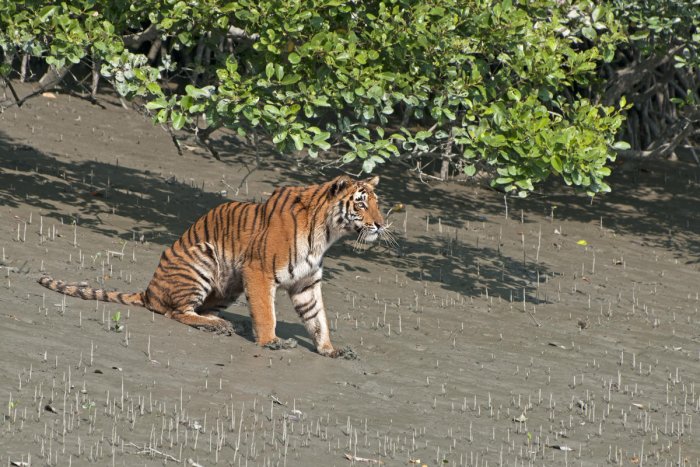
Unique Sundarban Tour Package – Royal Bengal Tiger Safari & Mangrove Wilderness Exploration
The Sundarban, the largest mangrove forest ecosystem on Earth, is internationally recognized for its extraordinary biodiversity and the iconic Royal Bengal Tiger. Formed by the vast delta of the Ganges, Brahmaputra, and Meghna rivers, this interwoven landscape of tidal creeks, mudflats, estuaries, and forested islands presents one of the most complex and ecologically significant habitats in South Asia.
For travelers seeking a structured and immersive wildlife journey, curated programs available through Sundarban Travel provide regulated access to protected forest zones, guided river safaris, and carefully planned accommodation near the reserve boundary. A well-designed mangrove safari experience ensures not only wildlife observation but also a deeper understanding of delta ecology, conservation challenges, and community life in this fragile coastal region.
Ecological Importance of the Sundarbans
The Indian portion of the Sundarbans, located in southern West Bengal, represents nearly forty percent of the total deltaic forest, with the remainder extending into Bangladesh. Recognized as a National Park, Tiger Reserve, and UNESCO World Heritage Site, the region functions as a natural shield against cyclones and tidal surges while sustaining thousands of species across marine and terrestrial ecosystems.
The forest is dominated by salt-tolerant mangrove species such as Heritiera fomes (Sundari), Avicennia marina, and Rhizophora mucronata. Their aerial roots stabilize sediment, filter saline water, and create nurseries for fish and crustaceans. Travelers exploring the delta through a structured guided mangrove forest journey gain insight into how this unique biome adapts to daily tidal fluctuations and climatic extremes.
Royal Bengal Tiger Safari – The Defining Experience
The Adapted Mangrove Predator
The Royal Bengal Tigers of the Sundarbans exhibit remarkable behavioral adaptations. Unlike their counterparts in central Indian forests, these tigers are proficient swimmers and frequently traverse creeks between islands. Their prey base includes spotted deer, wild boar, and occasionally aquatic species. The brackish environment and dense vegetation make them elusive, enhancing the aura of mystery surrounding a Sundarban tiger expedition.
Unlike jeep-based safaris elsewhere in India, wildlife exploration here unfolds aboard licensed motorized boats navigating narrow tidal channels and open river stretches. Watchtowers such as Sajnekhali, Sudhanyakhali, and Dobanki provide elevated vantage points to observe forest clearings and mudbanks.
Understanding Tiger Sightings
Sightings are never guaranteed, as dense mangrove cover and shifting tides influence wildlife movement. Experienced boat crews and forest guides interpret pugmarks, alarm calls, and tidal rhythms to identify promising observation zones. Even without direct encounters, signs such as fresh tracks on mudflats or sudden deer alert calls create an authentic and thrilling wilderness atmosphere.
Beyond Tigers – Comprehensive Wildlife Encounters
While the tiger remains the flagship species, the Sundarbans support a wide range of fauna that enrich the overall safari experience.
Reptiles and Estuarine Life
Estuarine crocodiles resting along tidal banks
Water monitor lizards navigating mangrove roots
Various snake species including king cobras
Occasional sightings of Gangetic dolphins in deeper channels
The mixing of freshwater and seawater creates nutrient-rich estuarine conditions, sustaining diverse aquatic organisms and supporting complex food chains.
Herbivores and Forest Mammals
Herds of chital (spotted deer) are commonly visible near watchtowers, grazing in open patches. Their abundance indicates a stable prey population within the tiger reserve. Wild boars and rhesus macaques are also frequently encountered during boat safaris.
Bird Watching in the Sundarbans
The delta is an important avian habitat, attracting resident and migratory species. Winter months from November to February are particularly rewarding for bird enthusiasts undertaking a mangrove birding excursion.
Key Species Observed
Black-crowned Night Heron
Lesser Adjutant Stork
White-bellied Sea Eagle
Osprey
Brahminy Kite
Collared Kingfisher
Open-deck boats and elevated watchtowers allow unobstructed views of riverbanks and forest clearings, offering excellent photographic opportunities.
Structured Itinerary Options
Travelers can select itineraries based on duration, comfort level, and travel objectives. A concise Sundarban single day exploration provides a brief introduction to the mangrove ecosystem, while extended programs allow deeper immersion.
Two-Day Immersive Experience
Short wildlife getaways such as the 1 Night 2 Days Sundarban itinerary combine river cruising, village visits, and guided watchtower exploration, making them suitable for time-conscious travelers.
Comprehensive Three-Day Expedition
For more thorough exploration, the 2 Nights 3 Days delta safari program offers extended forest cruising across multiple creeks and core areas, allowing greater wildlife observation time.
Many visitors from Kolkata prefer a weekend mangrove escape that balances accessibility with meaningful wildlife exposure.
Accommodation and Comfort in a Remote Landscape
Accommodation in the Sundarbans ranges from eco-resorts to premium river-facing lodges. Travelers seeking exclusivity may opt for curated experiences under a private Sundarban travel arrangement, which includes dedicated boats, customized dining, and enhanced privacy.
Standard packages typically include hygienic rooms with essential amenities, backup electricity, and mosquito protection. Premium categories emphasize air-conditioned comfort and personalized service.
Those preferring elevated comfort standards may explore tailored programs categorized under a luxury wildlife retreat in Sundarban, combining refined hospitality with immersive forest access.
Cultural Encounters and Seasonal Experiences
Village visits introduce travelers to honey collectors, fishermen, and artisans whose livelihoods are intricately linked to tidal rhythms. Folklore centered around Bonbibi, the forest guardian deity, reflects deep-rooted coexistence traditions.
Seasonal culinary events such as the Sundarban Hilsa Festival celebrate the iconic Hilsa fish with curated river cruises and traditional Bengali cuisine, offering a distinct cultural dimension to wildlife travel.
Romantic and Thematic Travel Variants
Beyond wildlife-focused journeys, specialized experiences cater to couples seeking privacy amid nature. A thoughtfully curated romantic Sundarban honeymoon retreat blends private cruising, candlelight dining, and tranquil river views.
Best Time to Visit
The optimal period for a Sundarban wildlife safari spans October to March, when temperatures are moderate and visibility conditions improve. Summers can be humid, while monsoon months bring heavy rainfall and restricted forest access, though the landscape appears intensely verdant during this season.
Permits, Safety, and Responsible Tourism
Entry permits issued by the Forest Department are mandatory. Licensed boats must comply with safety norms, including life jackets and trained crew members. Responsible conduct—avoiding litter, maintaining silence during safaris, and respecting wildlife distance—is essential for preserving this delicate ecosystem.
Why Choose a Structured Sundarban Tour Package?
Independent travel in the Sundarbans is highly restricted due to tidal unpredictability and protected forest regulations. A professionally managed organized Sundarban travel package integrates permits, transportation, accommodation, and expert guidance into a seamless itinerary.
Such structured journeys balance ecological awareness with comfort, ensuring that travelers experience the mangrove wilderness responsibly and comprehensively.
Conclusion – Explore the Mangrove Delta with Insight
The Sundarbans represent one of India’s most complex and ecologically vital landscapes. A thoughtfully designed wildlife itinerary offers more than the possibility of encountering a Royal Bengal Tiger; it provides immersion into estuarine biodiversity, deltaic geomorphology, and resilient coastal culture.
For detailed itineraries, availability, and customized planning, advance inquiries are recommended, particularly during peak wildlife season.