Update: March 7, 2026
Sunderban Tours : My Memorable Experience at the Sundarban Hilsa Festival with Sonakshi Travels
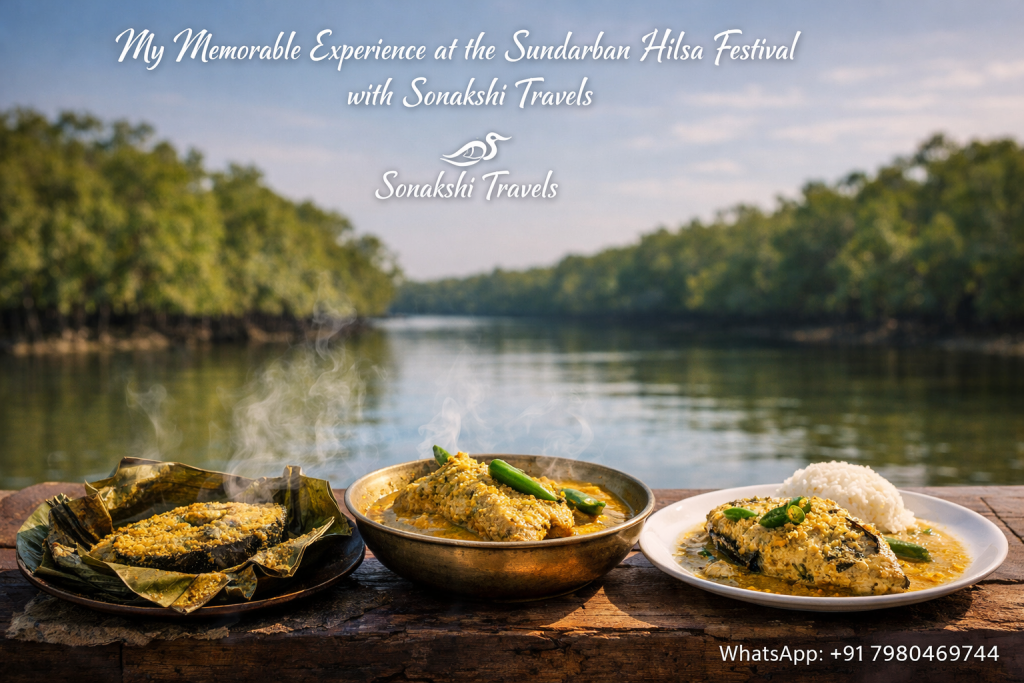
Travel experiences often become memorable not because of the distance covered but because of the emotions and discoveries that unfold along the way. Some journeys remain vivid in memory long after they end, shaped by a unique combination of culture, people, flavors, and atmosphere. My visit to the Sundarban Hilsa Festival with an office colleague turned out to be one such experience.
While researching the event and reading about regional celebrations on the official Sundarban travel platform, we realized that the festival offered a rare opportunity to experience Bengali culinary culture in a lively community setting. Organized by Sonakshi Travels, the journey blended traditional cuisine, cultural performances, and quiet moments of exploration that together created a deeply memorable experience.
From the first discussion about the trip to the final moments before returning home, everything unfolded with thoughtful coordination and a sense of warmth that extended beyond ordinary travel arrangements. What began as a simple plan to attend a food festival gradually developed into a richer appreciation for the traditions surrounding Hilsa fish and the cultural stories that accompany it.
The Anticipation Before the Journey
The idea of attending the Hilsa Festival had been circulating among colleagues for several weeks. For many Bengalis, Hilsa is not merely a popular fish but a symbol of seasonal celebration, culinary artistry, and cultural identity. Family gatherings, festive meals, and regional traditions often revolve around this prized delicacy.
As we explored information about river festivals and food traditions through resources describing a typical Sundarban tour experience, it became clear that the Hilsa Festival offered something distinctive. It combined gastronomy, local culture, and scenic surroundings into a single event. The anticipation grew steadily as we imagined tasting authentic dishes while witnessing a cultural gathering rooted deeply in regional tradition.
The Journey and the First Impressions
Our day began early, before the usual rhythm of the city had fully awakened. Traveling at that hour added a calm tone to the journey. As the road gradually moved away from busy urban streets toward quieter landscapes, the sense of departure from everyday routine became increasingly noticeable.
Upon arrival, the welcome arranged by the organizers immediately created a positive first impression. Hospitality often defines the character of a travel experience, and the warm reception we received reflected careful preparation and thoughtful planning. The check-in process at the resort was efficient and smooth, allowing guests to settle in comfortably.
The resort environment itself provided a pleasant blend of traditional design and modern convenience. Spacious rooms, attentive staff, and peaceful surroundings allowed visitors to relax while preparing for the activities of the festival.
Understanding the Cultural Meaning of the Hilsa Festival
Before the culinary celebrations began, it became clear that the Hilsa Festival represented much more than a food event. It functioned as a cultural gathering where cuisine, music, storytelling, and community interaction came together to celebrate regional heritage. Hilsa occupies a special place in Bengali culture and often appears in literature, poetry, and seasonal rituals.
Visitors from different regions gathered not simply to taste dishes but to appreciate the deeper narrative surrounding them. Local chefs explained cooking traditions, performers prepared for cultural presentations, and guests discussed the significance of Hilsa in family celebrations. The festival created a shared space where culinary heritage could be experienced collectively.
The Boat Ride Experience
Among the many activities organized during the trip, the boat ride through the quiet waterways stood out as one of the most memorable. The experience offered a gentle pause between the lively moments of the festival. As the boat moved slowly across calm water, the surrounding mangrove landscape revealed a tranquil beauty that contrasted with the festive energy on land.
During the ride, conversations among travelers often shifted toward wildlife, river life, and the cultural identity of the region. Several participants mentioned how such experiences are frequently included within a carefully planned organized Sundarban tour itinerary, allowing visitors to connect culinary events with the surrounding natural environment.
Culinary Demonstrations and Traditional Cooking Techniques
One of the most educational parts of the festival was the series of live cooking demonstrations conducted by experienced local chefs. These sessions offered valuable insights into the techniques used to prepare authentic Hilsa dishes. Watching the chefs work revealed how carefully spices must be balanced and how cooking time influences the delicate texture of the fish.
Through these demonstrations, it became evident that Hilsa cooking involves both tradition and precision. Even small changes in the preparation method can affect the final taste. This culinary discipline explains why Hilsa dishes are treated with such respect in Bengali households and why experienced cooks take great care while preparing them.
The Culinary Highlights of the Festival
Hilsa Paturi
The first dish served during the festival feast was Hilsa Paturi. In this preparation, the fish is marinated with mustard paste and aromatic spices before being wrapped in banana leaves and steamed slowly. The banana leaf acts as a natural envelope, preserving moisture and intensifying the aroma.
Opening the leaf parcel released a rich fragrance that immediately captured attention. The fish remained tender and flavorful, and the mustard marinade added a distinctive sharpness that balanced beautifully with the natural richness of Hilsa.
Shorshe Ilish
Another remarkable dish presented during the festival was Shorshe Ilish. This recipe is often regarded as one of the most iconic preparations in Bengali cuisine. The fish is cooked in a mustard-based gravy infused with green chilies and turmeric.
The bold flavor of mustard combined with the natural oiliness of the fish created a powerful yet harmonious taste. The dish demonstrated how traditional Bengali cooking often relies on a few strong ingredients used with careful balance.
Bhapa Ilish
Bhapa Ilish offered a different interpretation of Hilsa preparation. In this dish, the fish is steamed with mustard paste, coconut, and green chilies. The addition of coconut introduced a gentle sweetness that softened the sharpness of mustard.
The steaming method ensured that the fish remained moist while allowing the flavors to blend gradually. The dish illustrated how traditional recipes achieve complexity through balance rather than excessive ingredients.
The Atmosphere of the Festival
Beyond the culinary experience, the atmosphere of the festival itself played an important role in shaping the overall memory of the trip. Decorative arrangements, music, and lively conversations created an environment that felt festive yet welcoming. Guests gathered around dining areas sharing impressions of the dishes and exchanging stories related to their own culinary traditions.
Events such as the Hilsa Festival are often organized alongside specialized travel experiences, including the seasonal Sundarban Hilsa Festival celebration, which focuses entirely on the culinary heritage of this famous fish. Such gatherings highlight how food festivals can become important cultural events that attract travelers and food enthusiasts alike.
Cultural Performances and Local Expression
During the evening, the festival presented several cultural performances that reflected local artistic traditions. Folk music, rhythmic dance movements, and storytelling performances created a vibrant atmosphere that complemented the culinary celebration.
The performers narrated stories inspired by river life, fishing traditions, and seasonal celebrations. These artistic expressions revealed how food, music, and folklore often intersect within regional culture.
Moments of Rest and Quiet Reflection
After a full day of activities, returning to the resort offered a welcome opportunity to rest and reflect. The calm surroundings created a peaceful contrast to the lively festival atmosphere. Some guests chose to enjoy spa treatments, while others spent quiet time outdoors listening to the sounds of the evening.
In conversations with other travelers, we also heard discussions about the growing popularity of personalized journeys such as a private Sundarban tour, where visitors explore the region with greater flexibility and comfort. These conversations reflected how travel interests in the region continue to evolve alongside cultural events like the Hilsa Festival.
The Role of Organization in the Experience
A successful travel experience often depends on careful coordination behind the scenes. Throughout the festival trip, the arrangements ensured that activities moved smoothly from one moment to the next. Coordinated schedules, attentive hospitality, and clear communication allowed guests to enjoy the event without logistical concerns.
Many travelers today also seek refined travel experiences similar to a thoughtfully designed luxury Sundarban travel experience, where comfort, privacy, and detailed planning create a seamless journey. Observing the organization of the festival revealed how careful preparation plays a key role in delivering such experiences.
Lasting Memories from the Journey
As the trip came to an end, conversations during the return journey centered on the many moments that had shaped the experience. The combination of flavorful dishes, cultural performances, and peaceful surroundings created a journey that felt both enriching and enjoyable.
What remained most vivid in our memory was not only the taste of the Hilsa dishes but also the welcoming atmosphere that surrounded the festival. The warmth of the hosts, the skill of the chefs, and the artistic performances all contributed to an authentic experience that cannot easily be replicated elsewhere.
Conclusion
The Sundarban Hilsa Festival offered a remarkable combination of culinary tradition, cultural celebration, and thoughtful hospitality. Through carefully organized events and enthusiastic local participation, the festival demonstrated how food can serve as a powerful bridge between heritage and community.
For us, the journey was not simply about attending a festival. It was about experiencing a living cultural tradition centered on one of Bengal’s most cherished ingredients. The memories of that trip continue to remain vivid, reminding us that the most meaningful travel experiences often emerge from shared traditions and authentic human connections.