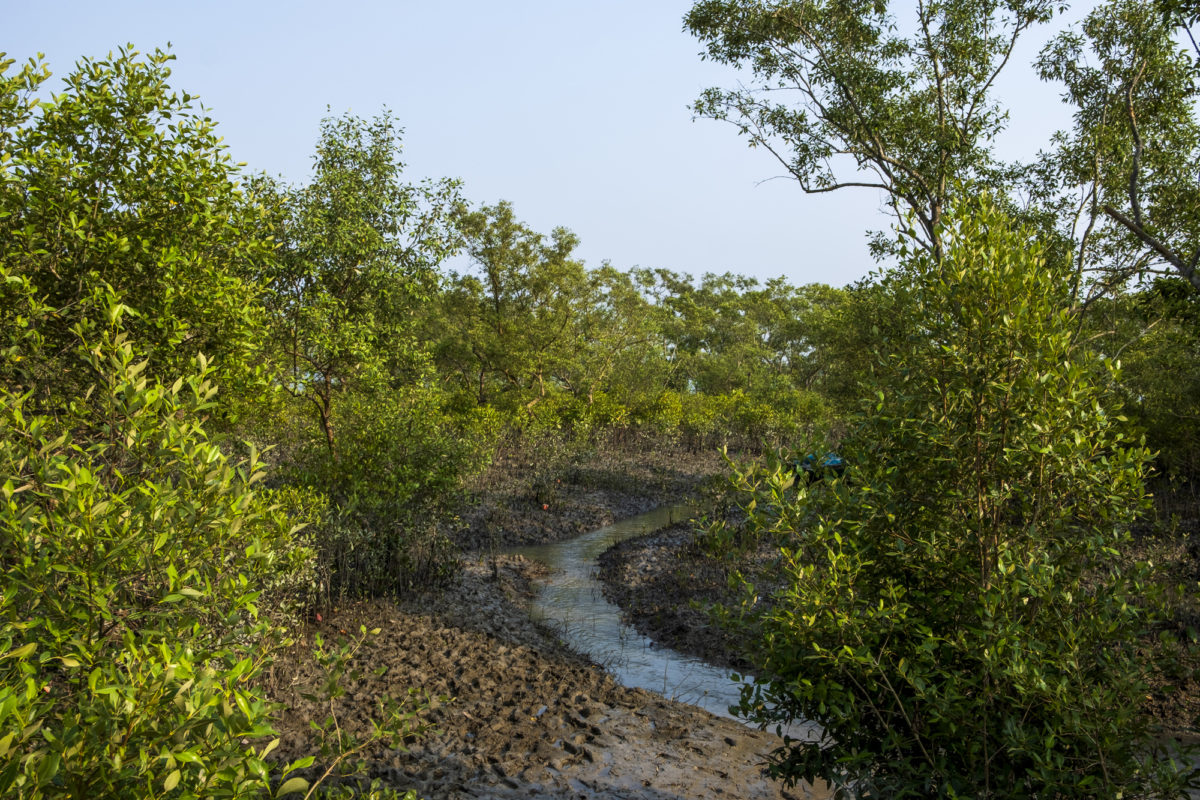
Sundarban Group Tour – Structured Exploration of the World’s Largest Mangrove Delta
A Sundarban Group Tour is not merely a shared holiday; it is a coordinated ecological expedition into one of the most complex and biologically significant landscapes in South Asia. The Sundarbans, represent the largest contiguous mangrove forest on Earth and form a dynamic delta shaped by the Ganga, Brahmaputra, and Meghna river systems. Exploring this terrain requires logistical planning, regulated access, and professional guidance—elements that are foundational to a well-designed group travel format.
Travelers seeking authoritative insights into route structures, forest regulations, and itinerary frameworks often begin their research through Sundarban Travel, which provides a comprehensive overview of delta-based travel planning. Within this ecosystem, a structured group format remains one of the most efficient and educational ways to experience the region.
Why the Sundarbans Require Organized Travel
The Sundarbans are not comparable to conventional forest reserves. The delta is defined by:
Tidal waterways that shift with lunar cycles
Remote forest blocks accessible only by licensed vessels
Strict forest department permit systems
Core and buffer conservation zones
Wildlife-sensitive navigation routes
Independent exploration is restricted due to environmental regulations and navigational complexity. A professionally coordinated guided Sundarban forest expedition ensures compliance with conservation laws while maintaining safety and interpretative depth.
For first-time visitors, students, or corporate groups, structured travel enhances both ecological understanding and operational efficiency.
Core Components of a Sundarban Group Tour Package
A comprehensive Sundarban group tour package integrates transport, accommodation, permits, and boat safaris into a seamless itinerary. Standard inclusions typically cover:
Road transfer from Kolkata to the embarkation jetty
Licensed motor boat for delta cruising
Forest entry permissions and guide charges
Accommodation in eco-resorts within buffer zones
All primary meals featuring regional cuisine
Watchtower visits and mangrove interpretation centers
Evening cultural programs in select itineraries
The most popular format remains a three-day delta circuit, widely preferred by travelers opting for a 2 Nights 3 Days Sundarban Tour Package that allows adequate time for creek navigation and watchtower exploration.
Strategic Advantages of Group-Based Travel
1. Cost Efficiency Through Shared Logistics
Boat charters, guide services, permits, and transport constitute the primary expenditure in delta tourism. Since boats are hired for full operational days regardless of passenger count, cost-sharing significantly lowers per-person expense. This structure makes wildlife cruising and forest access financially viable without reducing experiential value.
2. Structured Wildlife Interpretation
The Sundarbans are ecologically intricate. Mangrove species such as Heritiera fomes, pneumatophore-root systems, and saline adaptations require contextual explanation. Certified guides interpret:
Royal Bengal Tiger territorial behavior
Estuarine crocodile habitats
Mudskipper and fiddler crab adaptations
Migratory bird corridors
Human-wildlife coexistence patterns
This interpretative layer transforms a boat journey into a research-oriented ecological experience.
3. Safety in a Regulated Tiger Reserve
The Sundarbans Tiger Reserve operates under strict conservation laws. Organized travel ensures:
Licensed boat operators
Mandatory life jackets
Forest-authorized entry
Emergency communication systems
Compliance with tidal timing regulations
Group coordination reduces exposure to navigational and environmental risk.
4. Social and Educational Value
Shared wildlife sightings and sunset river cruises foster collective engagement. Educational institutions and corporate teams often choose structured delta programs for team-building and experiential learning.
Families traveling with multi-generational members may find curated formats such as a Sundarban family tour particularly suitable for balancing safety with immersive exposure.
Major Ecological Attractions Covered
Sajnekhali Interpretation Complex
An entry-zone watchtower with a mangrove awareness center, frequently offering sightings of spotted deer and estuarine avifauna.
Sudhanyakhali Watchtower
Known for freshwater ponds attracting wildlife, this zone occasionally records tiger movement near the embankments.
Dobanki Canopy Walk
An elevated netted walkway providing close observation of mangrove ecology without disturbing habitat integrity.
Pirkhali and Narrow Creeks
Ideal for birdwatching and crocodile spotting along tidal banks influenced by the broader network of rivers in Sundarban, these creeks highlight the delta’s hydrological complexity.
While tiger sightings are never guaranteed, biodiversity extends far beyond a single species. Fishing cats, water monitor lizards, kingfishers, herons, and mudflat fauna contribute to the ecological mosaic.
Accommodation and Culinary Experience
Group accommodations are typically located in buffer zones such as Pakhiralay or Bali Island. Categories range from standard eco-rooms to upgraded cottages with modern amenities.
Meals emphasize regional Bengali cuisine, often featuring fresh river fish, lentils, seasonal vegetables, and traditional rice preparations. Dietary modifications are generally accommodated with prior notice.
Duration Options and Travel Formats
Travelers with limited time may opt for a Sundarban Single Day Tour Package, although deeper forest engagement typically requires multi-day itineraries.
Lower humidity and migratory bird influx enhance observational conditions.
Summer (April–June)
Though warmer, summer increases wildlife movement near water bodies. Detailed guidance on climatic considerations is discussed in Sundarban visiting in summer season.
Monsoon (June–September)
Heavy rainfall transforms the delta into a lush green landscape, though access to certain creeks may be restricted.
Cultural and Community Dimensions
Beyond wildlife, the delta sustains fishing communities, honey collectors, and boatmen whose livelihoods are shaped by tidal rhythms. The cultural importance of Sundarban reflects a complex relationship between folklore, Bonbibi traditions, and ecological dependence.
Seasonal events such as the Sundarban Hilsa Festival 2026 celebrate regional culinary heritage centered on the prized hilsa fish, drawing gastronomic travelers during specific months.
Alternative Travel Styles
While group travel remains cost-effective, some visitors prefer exclusive arrangements. A privately chartered delta experience can be explored through a customized Sundarban private tour offering dedicated boats and upgraded accommodations.
For travelers seeking enhanced comfort and curated hospitality, a refined Sundarban luxury tour experience integrates premium lodging and personalized services.
Independent travelers planning a research-oriented visit may consult structured resources on Sundarban Solo Travel to understand logistical considerations.
Explorers interested in less-traveled creeks and community-based circuits often examine programs such as the Sundarban Offbeat Tour 2026, which emphasizes alternative navigation routes.
Choosing a Reliable Tour Operator
Professional management remains central to a successful delta expedition. A dependable Sundarban tour package provider should demonstrate transparent pricing, forest registration, experienced crew, and structured itineraries.
Conclusion: Collective Exploration with Ecological Integrity
A Sundarban Group Tour offers a balanced blend of affordability, environmental compliance, interpretative depth, and logistical efficiency. Through shared navigation across tidal rivers and mangrove corridors, travelers gain insight into one of the planet’s most intricate delta ecosystems.
With structured planning and responsible conduct, a group-based expedition into the Sundarbans becomes not only a wildlife journey but an informed engagement with a fragile and globally significant landscape.
For itinerary consultation or coordinated group departures, professional planning is recommended to align ecological timing, travel duration, and conservation guidelines.