Sundarban Tour Brings Authentic Bengal Beyond Regular Tourist Routes
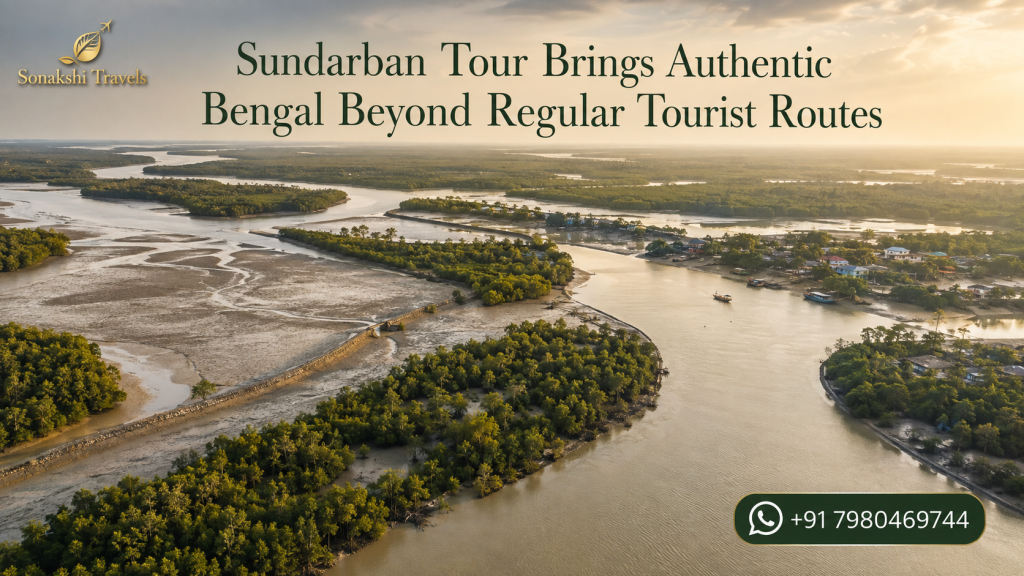
A well-planned Sundarban tour takes travellers beyond the familiar pattern of ordinary sightseeing. The experience develops slowly through tidal rivers, inhabited islands, mangrove edges, fishing activity, village surroundings and the everyday relationship between local people and water. Visitors do not simply move from one attraction to another. They enter a region where boats, tides, forest regulations and local knowledge shape almost every part of the journey.
This is where the authentic character of Bengal becomes visible. It can be found in modest riverside settlements, working boats, local food, traditional occupations and the practical ways in which island communities adjust to changing tides. Such details are not staged for tourists. They belong to daily life in the delta and help visitors understand the region more deeply.
However, reaching this side of Bengal requires more than selecting a destination and reserving accommodation. The Sundarban is a river-based and permit-sensitive landscape. Boat arrangements, meals, accommodation, guiding and forest entry must work together. Careful planning therefore determines whether the journey feels meaningful and comfortable or becomes hurried and poorly coordinated.
Why a Sundarban Tour Goes Beyond Regular Sightseeing
Regular tourist routes often depend on roads, fixed visiting hours and a list of easily accessible landmarks. The Sundarban works differently. Movement takes place mainly through rivers and creeks, while the landscape changes with the tide. A forest bank that appears open at one hour may look completely different later. Mudflats, mangrove roots, narrow waterways and island settlements gradually reveal the nature of the delta.
The value of the journey lies in observing these connected features rather than rushing between individual places. Travellers may notice fishing nets drying beside a settlement, small boats carrying supplies, cultivated land protected by embankments and local residents moving according to river conditions. These ordinary scenes explain the region more honestly than a heavily staged tourism programme.
Traditional island life is an important part of this understanding. The editorial discussion in Sundarban Tour Offers a Close View of Traditional Island Life provides useful context for readers who wish to understand how human settlement and the tidal environment exist side by side. Such observations should be made respectfully because villages are living communities, not tourist displays.
Authenticity also comes from accepting the natural pace of the region. A meaningful journey does not need constant entertainment. Time spent watching river activity, listening to a guide or travelling quietly beside a mangrove bank can be more valuable than a crowded schedule. The experience becomes richer when travellers pay attention to the landscape instead of measuring the trip only by the number of locations covered.
Careful Planning Protects the Quality of the Experience
A Sundarban journey requires coordination because its major services are interdependent. A delayed boat may affect forest entry, meal timing and the return to accommodation. An unsuitable vessel may reduce comfort during long hours on the water. Poor communication between the boat crew, guide, kitchen team and accommodation provider may create avoidable confusion.
Proper planning begins with understanding the group. The organiser should know the number and age of travellers, room requirements, food preferences, mobility concerns and the level of privacy expected. Senior citizens may need easier boarding support and a less demanding pace. Families with children may require timely meals and suitable rest arrangements. Couples and small private groups may prefer quieter service with greater flexibility.
Forest permissions and authorised entry procedures also need attention. These are not minor formalities that should be handled at the last moment. The protected landscape is governed by rules intended to manage visitor movement and reduce disturbance. A responsible organiser explains the relevant requirements clearly and does not create unrealistic expectations about unrestricted access.
Travellers considering a Sundarban tour from Kolkata should look at the complete chain of service rather than treating each arrangement separately. The connection between the departure plan, river transfer, boat readiness, meals, accommodation and forest programme must be practical. Good coordination reduces waiting and helps the group experience the region at an appropriate pace.
The Role of a Reliable Travel Agency and Tour Operator
A dependable Sundarban travel agency does more than accept a booking. It translates the expectations of travellers into workable arrangements within a complicated river environment. This requires local communication, knowledge of service limitations and a clear understanding of what can reasonably be delivered.
An experienced Sundarban tour operator should provide accurate information about accommodation standards, boat facilities, meal arrangements, forest procedures and the nature of wildlife observation. Clear explanations are especially important because first-time visitors may compare the destination with a city, beach resort or hill station. Those comparisons can create unsuitable expectations.
Good operators also coordinate the people responsible for different parts of the journey. The boatman understands the waterways and tidal movement. The forest guide interprets the ecosystem and helps travellers notice details. The cook and service staff maintain meal timing and hygiene. Accommodation staff manage rest and room-related needs. The organiser must connect all these services into one orderly experience.
Before confirming arrangements, travellers should receive a clear description of what is included and what is not. Terms such as standard, deluxe, private and luxury can mean different things to different providers. Written information helps prevent misunderstanding. It also allows visitors to assess whether a proposed service matches the needs of their family or group.
Responsible Sundarban travel also requires honesty. No agency can control wild animal movement, river conditions or every operational delay. A professional provider explains these uncertainties without using fear or exaggerated promises. This creates trust and prepares travellers to appreciate the destination for its complete ecological and cultural character.
Boat Quality Shapes the Entire River Experience
The boat is not merely a transfer vehicle. Travellers may spend a substantial part of their active journey aboard it, making its condition and layout important. Seating, shade, cleanliness, toilet facilities, safe movement and access to drinking water directly affect comfort. The vessel should be suitable for the group size and should not feel unnecessarily crowded.
Safety arrangements deserve equal attention. Life jackets should be available in appropriate numbers and accessible when required. Boarding and leaving the vessel should be supervised, particularly for children and elderly travellers. Walkways must be kept clear, and passengers should receive simple instructions about safe behaviour while the boat is moving.
The boat also serves as an observation space. A quiet deck allows visitors to notice birds, mangrove formations, mudflats and signs of animal movement. Excessive noise can disturb wildlife and reduce the quality of observation. Music played loudly in forest areas, shouting at animals and careless disposal of waste are inconsistent with responsible mangrove tourism.
The article Sundarban Tour Brings You Face-to-Face with Riverine Wilderness explains why the river itself is central to the experience. The forest is not approached through ordinary roads. It is understood from waterways, where distance, silence and changing visibility influence what travellers can observe.
Food, Stay and Guiding Must Work Together
Meals play a practical role in keeping the journey comfortable. Food should be fresh, hygienically prepared and served at sensible times. A programme that ignores meal timing can become tiring, especially for children, senior citizens or travellers with dietary needs. Preferences regarding vegetarian food, limited spice, allergies or other restrictions should be discussed before the journey.
Local flavours may add regional character, but authenticity does not mean forcing unfamiliar food on every visitor. A balanced menu can introduce Bengali cooking while still remaining suitable for the group. Clean drinking water and basic food hygiene are more important than an unnecessarily large menu.
Accommodation provides rest after long periods of river travel. The correct choice depends on cleanliness, room suitability, service reliability and the needs of the travellers. A property should not be selected only because it carries an attractive label. Families may value convenient room placement, while senior citizens may need easier access. Couples may prefer greater quietness and privacy.
A trained guide adds meaning to what visitors see. Without explanation, many mangrove features can appear similar to an inexperienced traveller. A guide can describe tidal influence, plant adaptation, animal signs and the relationship between forest protection and local livelihoods. The purpose is not to deliver a memorised speech but to help visitors read the landscape responsibly.
These services should follow a shared plan. If the guide, boat crew, kitchen team and accommodation staff work without coordination, the group may face delays or repeated confusion. A carefully managed Sundarban tour package should therefore be judged by operational consistency, not only by a long list of inclusions.
Suitability for Families, Couples and Senior Travellers
A family Sundarban tour can be educational and enjoyable when the pace reflects the needs of different age groups. Children can learn how mangroves survive in saline, tidal conditions and why the forest supports both wildlife and coastal communities. Adults can encourage observation by asking children to notice roots, birds, boats and changes in the riverbank.
Families should also consider practical comfort. Safe boarding, adequate shade, timely food, clean facilities and sensible rest periods matter more than adding too many activities. Parents should explain that wildlife observation requires patience and quiet behaviour. This helps children enjoy the forest without expecting continuous animal sightings.
Couples often appreciate the calm nature of river travel. A well-managed programme provides time to observe the surroundings without constant interruption. Privacy, attentive service and a comfortable pace are usually more valuable than decorative extras. The landscape itself remains the centre of the experience.
Senior citizens can take part comfortably when mobility needs are discussed in advance. The organiser should consider boarding assistance, access to rooms, seating support and the length of continuous boat travel. Medical requirements and food timing should also be communicated clearly. These practical arrangements often determine whether the journey remains relaxed.
A Sundarban private tour may suit a family, couple or small group that wants greater control over pacing and service coordination. Privacy can make meal scheduling, seating and rest arrangements easier, but it should not be confused with unrestricted forest access. Private visitors must follow the same conservation rules and authorised procedures as other travellers.
Private and Luxury Travel Should Remain Connected to Nature
Comfort can improve a nature journey when it removes avoidable strain. Better room arrangements, organised transfers, suitable boat space, attentive food service and dedicated assistance may help travellers focus on the destination. However, luxury in the Sundarban should be understood in relation to the region rather than measured against an urban hotel experience.
A Sundarban private tour package can offer coordinated services for travellers who value personal attention. Its quality depends on reliable execution: the right boat for the group, clear communication, suitable accommodation, hygienic meals and informed guiding. The word “private” has little value if the individual services remain poorly connected.
Similarly, a Sundarban luxury tour package should make the journey smoother without separating visitors from the natural setting. Comfort should support observation, rest and safety. It should not introduce noisy entertainment, unnecessary disturbance or promises that conflict with the protected character of the forest.
Readers exploring this approach may find additional perspective in Sundarban Tour Is a Fine Choice for Luxury Nature Travel. The key principle is balance: organised comfort can coexist with ecological responsibility when services remain sensitive to local conditions.
Responsible Tourism Reveals the Region More Honestly
The authentic Bengal found in the Sundarban is inseparable from its fragile ecology. Mangrove forests help stabilise tidal land, provide habitat and support wider coastal systems. Visitors should therefore treat the landscape as a living environment rather than a background for photographs.
Responsible behaviour begins with simple actions. Waste should remain on the boat until it can be disposed of properly. Plastic, food and cigarette remains must never be thrown into the river. Travellers should avoid loud music, shouting and attempts to attract animals. Mangrove plants, mudflats and wildlife should not be touched or disturbed.
Respect for local communities is equally important. Visitors should request permission before taking close photographs of residents. Children should not be treated as subjects for staged images, and private homes should not be entered without invitation. Purchasing locally produced goods or using legitimate local services can support the community when it is done fairly and without bargaining that ignores the value of local work.
The connection between simple organisation and responsible learning is examined in Sundarban Tour Makes Mangrove Tourism Simple and Meaningful. Good planning does not need to make the journey complicated. Its purpose is to reduce confusion so that travellers can understand the forest and island environment with greater attention.
Wildlife Expectations Must Remain Realistic
The Sundarban is a natural habitat, not a managed wildlife display. Animals move according to tide, shelter, food availability and their own behaviour. No responsible agency or guide should guarantee a tiger sighting or any other particular encounter. Such promises misrepresent the forest and may leave visitors unable to appreciate what the landscape actually offers.
Wildlife observation includes more than searching for a large animal. Birds, deer, reptiles, mudskippers, crabs, changing tracks and movement along the forest edge all contribute to an understanding of the ecosystem. Even when visibility is limited, an experienced guide can help visitors recognise habitat patterns and signs of life.
Patience improves the experience. Travellers who remain quiet and attentive are more likely to notice small changes near the water or among the mangroves. Photography should also remain respectful. Sudden noise, pressure on the boat crew or attempts to move too close to wildlife can create risk and disturbance.
How to Choose the Right Sundarban Tour Package
The right selection begins with clarity about personal needs. Travellers should decide whether they value privacy, a moderate budget, additional comfort, slower pacing or family-focused assistance. The most expensive arrangement is not automatically the most suitable, and the lowest quotation may exclude services that later become necessary.
An affordable Sundarban tour should provide essential comfort, safety and coordination without unnecessary additions. Affordability should not result from unsuitable boats, unclear accommodation, poor hygiene or missing support. Travellers should compare the actual scope of service rather than looking only at the final amount.
Those seeking a private Sundarban tour should confirm whether the boat and major services are genuinely reserved for their group. They should also ask how meal preferences, room allocation and guide arrangements will be managed. Clear written communication is especially useful when several customised requirements are involved.
For a luxury Sundarban tour, travellers should examine what the term “luxury” includes in practical terms. Suitable rooms, better service attention, comfortable boat space and careful coordination are meaningful benefits. Decorative claims and broad superlatives do not provide the same assurance.
Questions Worth Asking Before Confirmation
Before booking, travellers can ask a short set of direct questions:
- Is the boat suitable for the total group size, and what basic facilities are available?
- How will forest permissions and authorised entry requirements be handled?
- What type of rooms will be provided, and are they suitable for children or senior citizens?
- How are meals prepared, and can genuine dietary needs be accommodated?
- Will a knowledgeable guide accompany the relevant part of the journey?
- Who will coordinate the boat, food, accommodation and local services?
- What assistance is available if an operational change becomes necessary?
- Are all inclusions, exclusions and service conditions provided clearly in writing?
Thoughtful answers reveal more than promotional descriptions. A reliable provider should be able to explain how the programme works, what limitations apply and how the group’s needs will be managed. Vague answers, wildlife guarantees or unclear service descriptions should be treated carefully.
Travellers should also avoid selecting the so-called best Sundarban tour only through online labels. The best option is the one that matches the group’s comfort needs, interests and expectations while respecting local rules. Suitability is more useful than a universal claim of superiority.
Authenticity Comes from Attention, Not Excess
The deeper value of the journey comes from noticing how the region functions. River channels connect settlements and forest areas. Embankments protect inhabited land. Boats carry people, food and everyday supplies. Mangroves stand between land and tidal water. Local knowledge helps communities manage conditions that may be unfamiliar to visitors.
These observations bring travellers close to a Bengal that is rarely understood through regular tourist routes. The experience is not based on manufactured attractions. It grows through conversations, landscape interpretation and respectful contact with the river environment. A quiet journey may therefore communicate more than a crowded programme filled with unrelated activities.
Authentic travel also requires humility. Visitors enter a place shaped by environmental uncertainty and demanding livelihoods. They should avoid romanticising hardship or treating local life as an exotic performance. A sensitive journey recognises the dignity, skill and practical knowledge of island communities.
When travellers understand this, comfort and authenticity no longer appear to be opposing ideas. Organised services can reduce inconvenience while still keeping the group connected to the landscape. The essential condition is that comfort must not create waste, noise, disrespect or false expectations.
A Sundarban Tour with Purpose and Perspective
A carefully organised Sundarban tour brings travellers beyond conventional tourism by showing how Bengal’s rivers, mangroves, islands and communities are connected. Its quality does not depend on hurried sightseeing or dramatic wildlife promises. It depends on observation, suitable planning, reliable service and respect for the environment.
The boat, guide, meals, accommodation, permissions and local coordination must operate as parts of one journey. When these elements are managed properly, families, couples, senior citizens and private groups can experience the region with greater comfort and understanding. They gain the freedom to pay attention to the delta instead of dealing with avoidable confusion.
Choosing the right arrangement therefore requires practical questions and realistic expectations. Travellers should assess safety, service clarity, environmental conduct and group suitability before they confirm a booking. A responsible journey protects both visitor comfort and the character of the destination.
Ultimately, the most meaningful Sundarban tour is one that allows authentic Bengal to appear naturally—in the movement of the tide, the silence beside a mangrove bank, the working rhythm of an island settlement and the knowledge shared by local people. This thoughtful approach turns travel beyond regular tourist routes into a genuine understanding of the Sundarban.