Sundarban Tour Makes Mangrove Tourism Simple and Meaningful
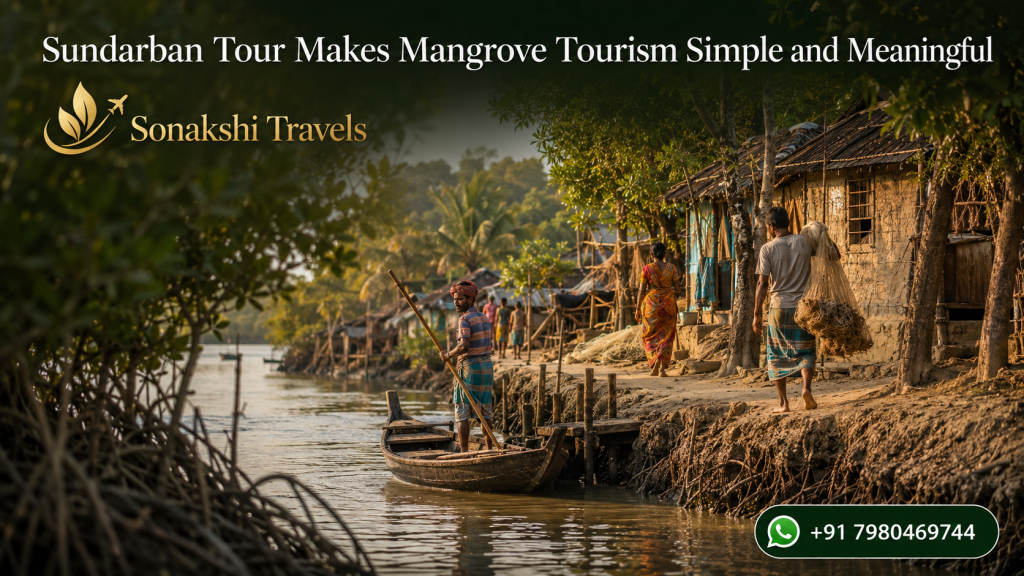
A well-managed Sundarban tour makes it easier for travellers to understand and enjoy a complex mangrove region. The Sundarban is not an ordinary destination where visitors can move freely between attractions by road. It is a tide-influenced landscape of rivers, narrow creeks, forest islands and inhabited villages. Boats, forest permissions, trained local support and careful service coordination are therefore central to the experience.
Making mangrove tourism simple does not mean reducing it to casual sightseeing. It means arranging every essential service clearly so that travellers can pay attention to the landscape instead of worrying about operational details. A suitable boat, responsible navigation, safe boarding, timely meals, clean accommodation and informed guidance allow visitors to observe the forest with patience and respect.
The journey becomes meaningful when travellers understand what they are seeing. Mangroves are not merely trees growing beside muddy water. They form a living coastal system that supports wildlife, protects vulnerable shorelines and influences the lives of nearby communities. A thoughtfully planned journey connects these elements without overwhelming visitors with technical information or unrealistic wildlife promises.
Why a Sundarban Tour Needs Careful Planning
Careful planning is necessary because the experience depends on several services working together. A delay or misunderstanding in one area may affect boat movement, meals, forest entry or accommodation. Reliable planning brings these separate arrangements into one practical system.
Boat journeys form the main part of forest exploration. The vessel should be suitable for the group size and have adequate seating, a protected area for shade, accessible safety equipment and basic sanitation arrangements. Travellers also need clear instructions about boarding, movement on deck and behaviour near forest channels. These details may appear simple, but they have a direct effect on comfort and safety.
Forest access is regulated, and visitors must follow the applicable permission and identification requirements. A responsible organiser checks the necessary details in advance and communicates them clearly. This reduces confusion and helps the group follow the rules of the protected landscape.
Tidal conditions also influence navigation. Visitors do not need to study tidal science, but the boat crew must understand local waterways and changing water levels. Certain channels may be easier to navigate at particular stages of the tide. Experienced local coordination allows the journey to proceed sensibly without presenting the forest as a fixed sightseeing route.
A carefully selected Sundarban tour package should therefore explain the service structure, not merely provide a list of places. Travellers should know what kind of boat will be used, how meals will be managed, what accommodation standard is included, whether forest permissions are covered and who will assist the group during the journey.
Making Mangrove Tourism Easy to Understand
The Sundarban can initially appear difficult to understand because land and water are closely connected. Forest islands, riverbanks, mudflats, creeks and settlements may look similar to an unfamiliar visitor. Good interpretation helps travellers notice the differences without turning the journey into a classroom lecture.
A knowledgeable guide can explain how mangrove roots adapt to saline, waterlogged soil, why exposed mudflats are ecologically important and how tidal water moves through smaller channels. Such explanations give purpose to slow boat travel. Visitors begin to recognise that a quiet creek or an eroding bank is part of a changing ecological system.
The human landscape is equally important. Homes, embankments, fishing equipment, small agricultural plots and village jetties show how island communities adjust to river-based conditions. The editorial account Sundarban Tour Offers a Close View of Traditional Island Life provides additional context for understanding this relationship between daily work, tidal water and inhabited islands.
Meaningful interpretation should remain factual and respectful. Local communities must not be treated as exhibits, and wildlife should not be presented as entertainment. Travellers gain a more balanced view when natural and human aspects are explained together.
Observation Matters More Than Constant Activity
Mangrove tourism is most rewarding when visitors accept its natural pace. Forest observation often involves silence, careful listening and patient scanning of riverbanks. Birds, reptiles and mammals may appear briefly or remain partly hidden by vegetation. Even when large animals are not visible, tracks, calls, feeding signs and changes in the vegetation can reveal how the habitat functions.
This approach removes unnecessary pressure from the journey. No ethical organiser can guarantee a tiger sighting or any other specific wildlife encounter. The forest is not a controlled display, and animals move according to natural conditions. Realistic expectations make the experience calmer and more honest.
Comfort Depends on Good Coordination
Comfort in the Sundarban is created through dependable arrangements rather than unnecessary decoration. The quality of seating on the boat, cleanliness of shared areas, availability of safe drinking water, meal timing and staff communication often matter more than elaborate claims.
A coordinated team considers the needs of travellers before the journey begins. Families may need flexible meal arrangements. Senior citizens may require easier boarding assistance and less unnecessary movement. Couples may prefer privacy, while a group of friends may need enough shared space to sit together comfortably. Understanding these differences helps an organiser select appropriate services.
Clear communication is equally important. Travellers should be told what facilities are available and where limitations may exist. Mangrove tourism takes place in a remote river-based environment, so it should not be compared directly with a city hotel holiday. Honest information helps guests prepare mentally and prevents avoidable dissatisfaction.
The Boat as the Main Experience Space
Visitors spend a considerable part of the journey on the boat. It is therefore more than a means of transfer. It becomes the principal space for forest observation, meals, conversation and rest during navigation.
The deck should allow passengers to see the riverbanks without crowding. At the same time, movement must be controlled so that sudden changes in balance do not create a safety concern. Life jackets should be accessible, and the crew should know how to respond to routine operational problems. Children must remain under adult supervision, especially during boarding and while moving near open sections of the vessel.
Noise control improves both safety and ecological responsibility. Loud music, shouting and repeated attempts to attract animals are unsuitable in protected forest areas. A quiet boat gives travellers a better chance to hear bird calls and observe small movements along the banks.
Food and Drinking Water Management
Meal coordination affects the rhythm of the journey. Food should be prepared and served hygienically without disturbing forest observation or delaying essential movement. The menu does not need to be extravagant, but it should be suitable for the group and communicated beforehand.
Families travelling with children, elderly members or guests with dietary restrictions should share their requirements early. Vegetarian preferences, less-spicy food and basic allergy information are easier to manage when communicated before supplies are arranged. Safe drinking water should remain available throughout the boat journey.
Responsible food service also includes waste control. Disposable plastic should be reduced wherever practical, and no food packaging should enter the river. Waste generated on the boat must be collected and removed through an appropriate system.
Accommodation as a Support Service
Accommodation provides rest, sanitation and privacy after extended time on the water. Clean rooms, functional bathrooms, dependable staff support and clear meal arrangements are more important than decorative descriptions.
Travellers considering a Sundarban deluxe tour package or a higher-comfort option should examine what the accommodation category actually includes. A premium label alone does not explain room type, service availability or its connection with the boat programme. The stay should support the mangrove experience rather than become an unrelated hotel-focused feature.
The Role of a Reliable Travel Organiser
A capable Sundarban travel agency acts as the link between travellers and the local service network. Its work may involve coordinating the boat crew, guide, accommodation, food supplies, permissions and group assistance. The value lies in making these arrangements function together.
An experienced Sundarban tour operator should also explain the experience accurately. Travellers need practical information about inclusions, exclusions, facilities and expected conduct. Vague promises may create confusion, while clear descriptions support informed decisions.
Before travellers book Sundarban travel, they should ask direct questions. Who will manage the group? Is the boat private or shared? Are meals included? What safety equipment is available? How will forest permissions be handled? What level of guide support is provided? Written answers make the booking process more transparent.
Reliability is especially important when services come from different local providers. The organiser should confirm that every provider understands the agreed plan. Good coordination remains largely invisible to travellers, but it is one of the main reasons a complex journey feels simple.
Connecting the Journey with Mangrove Ecology
A meaningful experience should help visitors understand why mangrove forests deserve careful protection. These forests grow in difficult conditions where land is repeatedly influenced by saline and tidal water. Their root systems help hold sediment, slow moving water and provide shelter for many forms of aquatic and terrestrial life.
Mangrove belts also support coastal resilience. Their physical structure can reduce the direct force of waves and help stabilise vulnerable edges, although they should not be described as a complete barrier against every natural hazard. The article Sundarban Tour Shows How Mangroves Protect Coastal Communities explains this protective relationship in greater detail.
Visitors can support responsible mangrove tourism through ordinary behaviour. They can avoid littering, keep noise low, follow the guide’s instructions, respect restricted areas and refrain from feeding wildlife. These actions may appear small, but repeated care from many visitors reduces unnecessary disturbance.
Responsible tourism also means recognising the value of local knowledge. Boatmen, guides, cooks and other workers often have practical experience of waterways, tidal changes and visitor management. Respectful employment and fair treatment of local service providers help tourism contribute more meaningfully to the region.
Keeping the Experience Eco-Friendly
An environmentally responsible journey does not require complicated gestures. It depends on consistent operational choices. Refillable drinking-water systems where practical, controlled waste collection, moderate use of disposable materials and proper disposal of food waste can reduce the burden created by tourism.
Boat behaviour is equally important. Operators should avoid unnecessary noise and must follow rules governing forest movement. Travellers interested in these practices may also read Sundarban Tour Offers Excellent Scope for Eco-Friendly Travel, which discusses how visitor choices can support a more responsible experience.
Eco-friendly conduct should not be used merely as a marketing phrase. Travellers can ask how waste is handled, whether staff provide clear environmental instructions and whether wildlife observation follows protected-area rules. Practical answers are more valuable than broad claims.
Suitability for Different Travellers
Mangrove tourism can suit different age groups when services are selected with care. A family Sundarban tour should consider safe boat movement, child-friendly food, clean sanitation and realistic daily pacing. Parents should understand that children need supervision near water even when crew members are present.
Senior citizens may enjoy the slow river journey, but boarding arrangements deserve attention. The height and stability of steps, distance between the jetty and boat, availability of assistance and condition of the walking surface can affect comfort. Travellers with limited mobility should discuss these matters before confirming the journey.
Couples generally value privacy, calm surroundings and dependable service. They should choose arrangements based on the actual quality of the boat and stay rather than relying only on romantic package labels. The quiet forest setting can be deeply engaging when the operational details are handled properly.
A private Sundarban tour may suit families, couples, senior travellers or small groups that want greater control over seating, meal preferences and the general pace of service. Privacy does not provide control over wildlife or forest regulations, but it can make group management easier.
Travellers requiring an individually managed arrangement may consider a Sundarban private tour. They should still verify the boat standard, permission process, guide support and included services. The word “private” should describe how the services are allocated, not suggest exclusive access to protected forest areas.
Private and Luxury Options in the Right Context
Private and higher-comfort journeys can simplify mangrove tourism when their features serve genuine needs. Separate transport coordination, a private boat, customised meals and dedicated assistance may help groups that value flexibility. These services should be judged by their usefulness and reliability.
A Sundarban private tour package may be appropriate when a family wants to travel together without joining an unfamiliar group. It may also support travellers who need closer attention to food, mobility or communication. However, every inclusion should be stated clearly before booking.
Similarly, a Sundarban luxury tour package should offer measurable improvements in accommodation, privacy, boat comfort and service coordination. Luxury in this region is most meaningful when it provides cleanliness, space, reliable support and a calm experience.
Some travellers may prefer a Sundarban luxury stay package with Sonar Bangla or another organised resort-based arrangement. In such cases, they should check how the stay connects with the forest journey. Room comfort alone cannot replace a suitable boat, responsible guide and properly managed permissions.
Premium arrangements must remain environmentally responsible. Greater comfort should not lead to excessive noise, waste or demands that conflict with forest rules. The protected landscape sets the limits within which every standard of tourism must operate.
How to Choose the Right Sundarban Tour Package
The right choice begins with understanding the traveller’s needs. Group size, age, mobility, privacy preference, food requirements and expected comfort should be considered together. Selecting only by a low price or an attractive label may leave important service gaps unnoticed.
An affordable Sundarban tour can still be organised responsibly. Affordability should come from sensible service selection, not from ignoring safety, hygiene or essential support. Travellers should compare what is included and assess whether the proposed arrangement is practical for their group.
Those seeking the best Sundarban tour should avoid treating “best” as a fixed category. A shared journey may suit sociable budget-conscious travellers, while a private arrangement may be more comfortable for a multigenerational family. The most suitable choice is the one that matches genuine needs and clearly explains its limitations.
A well-defined Sundarban tour from Kolkata may coordinate the journey from the traveller’s starting point, but the main evaluation should still focus on the mangrove experience. Boat quality, guide support, food management, permissions, safety and accommodation remain the core services.
Questions to Ask Before Confirmation
- Is the boat private or shared, and what facilities are available on board?
- Who will assist the group during boarding and forest travel?
- Are forest permissions and guide services included?
- How are meals, drinking water and dietary requests managed?
- What accommodation category and room type are confirmed?
- Are life jackets available for adults and children?
- How does the operator collect and remove waste?
- What services are excluded from the quoted arrangement?
- What support is available if a traveller has limited mobility?
- Does the organiser make realistic statements about wildlife observation?
These questions help travellers compare service quality without depending on promotional wording. A professional organiser should be able to answer them in simple language.
Realistic Expectations Create a Better Experience
The Sundarban rewards attention rather than expectation. Visitors may see birds, deer, crocodiles, monitor lizards, monkeys or other wildlife, but every journey is different. Water levels, animal movement, visibility and natural behaviour influence what can be observed.
A responsible guide helps guests appreciate evidence of wildlife as well as direct sightings. Footprints, calls, nesting areas and feeding marks can be meaningful when explained properly. This creates a richer understanding of the habitat and avoids reducing the journey to a search for one famous animal.
Travellers should also accept that the landscape can appear quiet for long periods. The absence of dramatic activity does not mean that the forest lacks value. Mangrove ecology often reveals itself through subtle changes in roots, sediment, water movement and bird behaviour.
Patience makes the journey more satisfying. It also encourages quieter boat conduct, which is better for both wildlife and visitors. Meaningful tourism begins when the forest is observed on its own terms.
A Sundarban Tour Should Simplify Access, Not the Landscape
A carefully arranged Sundarban tour makes mangrove tourism simple by bringing boats, permissions, food, accommodation, guidance and safety support into one coordinated experience. This practical simplicity allows travellers to focus on rivers, forest edges, wildlife signs and island life without being distracted by avoidable confusion.
The journey becomes meaningful when visitors understand that the Sundarban is a living and sensitive environment. Its value lies not only in wildlife sightings but also in tidal processes, mangrove adaptation, coastal protection, local knowledge and the close relationship between communities and waterways.
Travellers should choose services through clear questions, realistic expectations and attention to responsible practices. Whether the arrangement is shared, family-focused, private or higher in comfort, it should respect forest regulations and explain its inclusions honestly.
The most rewarding Sundarban tour is therefore not the one making the loudest promise. It is the one that reduces operational difficulty, protects essential comfort and safety, supports responsible behaviour and helps visitors understand why this mangrove landscape deserves patience, care and respect.