Sundarban Tour Planning Made Simple
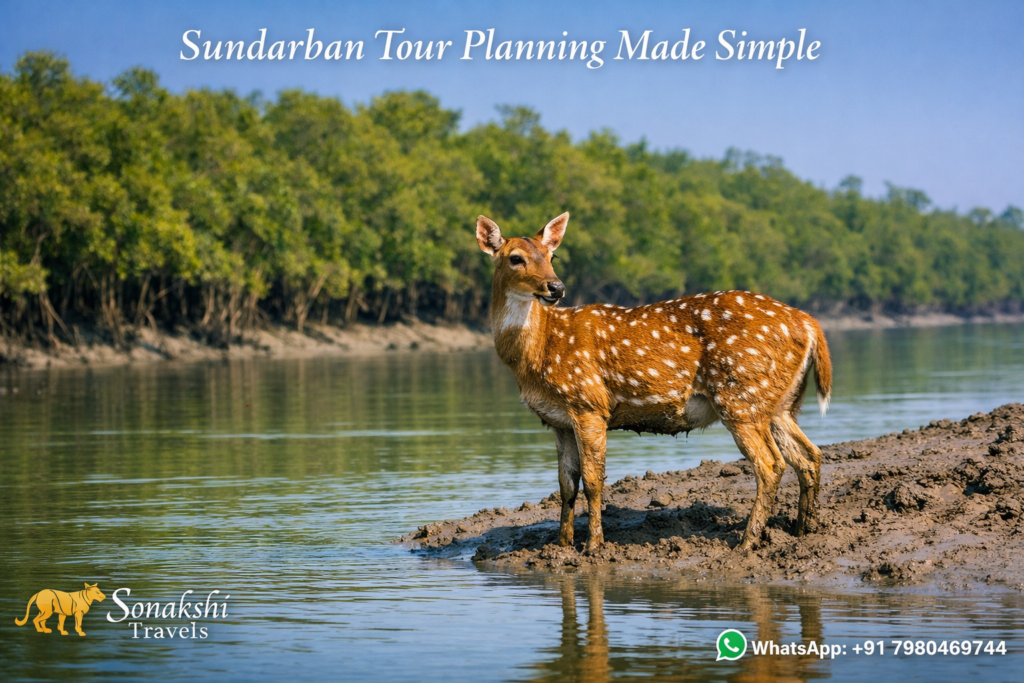
The Sundarbans is a place where nature follows its own quiet rhythm. Tidal rivers flow slowly between endless mangrove forests, the air carries the scent of wet soil and salt, and boats glide gently through winding waterways. For many travelers, the idea of visiting this remarkable delta feels exciting but also slightly confusing. Questions often arise about where to begin, how long to stay, and what kind of tour experience is best.
Planning a Sundarban tour does not need to feel complicated. When the basic steps are understood clearly, the entire process becomes simple and enjoyable. From selecting the right travel season to choosing the most suitable itinerary, every decision gradually shapes a journey that feels calm, safe, and memorable. The forest itself moves slowly, and planning the journey should follow that same relaxed rhythm.
Many travelers imagine that exploring a mangrove wilderness requires complicated arrangements, yet the reality is far more straightforward. With thoughtful preparation, a Sundarban tour becomes a smooth experience where visitors can focus on wildlife, landscapes, and the peaceful beauty of the river delta rather than logistics.
Understanding the Unique Landscape of the Sundarbans
Before planning a trip, it helps to understand what makes the Sundarbans different from other travel destinations. The region is the largest mangrove forest on Earth, stretching across thousands of square kilometers where rivers, mudflats, and dense mangrove trees create a living ecosystem. Unlike mountain destinations or cities, the landscape here constantly changes with the tides.
Waterways act as the main routes through the forest. Instead of roads and vehicles, boats become the primary way to explore the area. This unique geography shapes the entire travel experience. Visitors spend much of their time gently moving along rivers, watching birds glide above the water, and observing wildlife along muddy banks.
The famous Royal Bengal Tiger lives in this forest, although sightings are rare. The Sundarbans offers far more than a single species. Crocodiles rest along river edges, spotted deer gather near mangrove clearings, and countless bird species move through the canopy. Understanding this natural environment helps travelers appreciate why planning a Sundarban tour packages focuses on boat safaris, watchtowers, and patient wildlife observation.
Choosing the Best Time for a Sundarban Tour
Timing plays an important role in creating a comfortable and rewarding travel experience. The Sundarbans can be visited throughout much of the year, but each season offers slightly different conditions.
Winter months, typically from November to February, are widely considered the most pleasant period for a Sundarban private tour. The weather remains cool and comfortable, making long boat safaris enjoyable. Wildlife activity often increases during these months, especially around tidal banks where animals search for food.
The months of March and April bring warmer temperatures, yet they can also offer excellent wildlife sightings. As water levels shift with the tides, animals frequently appear along open mudflats. Photographers often appreciate the soft golden light that reflects beautifully on the rivers during this time.
The monsoon season introduces heavy rain and changing river conditions. While travel remains possible, many visitors prefer the clearer skies and calmer weather of the winter months. Understanding seasonal differences helps travelers choose the time that best suits their comfort and expectations.
Deciding the Ideal Duration of the Journey
One of the most common questions travelers ask is how many days are needed for a Sundarban tour. The answer depends on how deeply a visitor wishes to experience the forest.
A two-day journey provides a quick introduction to the mangrove landscape. Visitors can enjoy short boat safaris, visit one or two watchtowers, and observe village life around the forest edges. This type of trip suits travelers who have limited time but still wish to witness the unique atmosphere of the Sundarbans.
A three-day itinerary allows for a much richer experience. Longer boat safaris explore deeper river channels, increasing opportunities to observe wildlife and birds. Travelers also gain time to visit multiple watchtowers where the forest reveals its quieter moments.
For those who appreciate slow travel, longer journeys create an even deeper connection with the landscape. Spending several days on the rivers allows visitors to notice small details that shorter trips often miss — the changing colors of tidal water, the rhythm of mangrove leaves in the wind, and the quiet life of fishermen and honey collectors who live near the forest.
Selecting the Right Type of Sundarban Tour Experience
Not every traveler explores the Sundarbans in the same way. Tour styles vary depending on comfort preferences, group size, and personal expectations.
Group tours remain popular among visitors who enjoy shared experiences. Travelers join a scheduled itinerary where transport, accommodation, and meals are arranged together. These tours often create a lively atmosphere where guests exchange stories and observations while exploring the forest.
Private tours offer a more flexible approach. Travelers can adjust the pace of the journey, spend longer time at wildlife spots, and enjoy quiet moments on the river without large crowds. Families, photographers, and couples often prefer this style of travel because it allows a more personal connection with the surroundings.
Luxury experiences combine privacy with additional comfort. Carefully designed accommodations, attentive service, and spacious safari boats transform the journey into a relaxed exploration rather than a rushed excursion. Choosing the right tour style ensures the travel experience matches personal expectations.
Planning Transportation from Kolkata
Most Sundarban journeys begin from Kolkata. The drive from the city to the gateway village near the forest usually takes three to four hours depending on traffic and route conditions.
The journey itself becomes part of the adventure. Urban landscapes gradually fade into green countryside, narrow village roads appear beside ponds and rice fields, and small markets offer glimpses of rural life. By the time travelers reach the river jetty, the atmosphere already feels slower and calmer.
From this point onward, boats become the primary mode of transport. Safari boats travel through wide rivers and narrow creeks, allowing visitors to explore deep sections of the mangrove ecosystem. This transition from road travel to river exploration creates one of the most memorable moments of a Sundarban tour.
Experiencing Wildlife During the Boat Safari
Boat safaris form the heart of the Sundarban travel experience. These journeys reveal the true character of the mangrove forest. Early morning often brings the best opportunities to observe wildlife. Birds begin their calls as sunlight spreads across the water, and deer sometimes appear along muddy riverbanks searching for fresh leaves.
Watchtowers located inside the forest provide safe observation points where visitors can quietly look over open clearings. These areas occasionally attract animals that come to drink water during low tide.
Patience remains the most valuable skill during wildlife exploration. The forest rarely reveals its secrets instantly. Instead, moments appear gradually — a crocodile sliding into the river, a kingfisher diving toward the water, or the distant movement of deer among mangrove roots.
For many visitors, the quiet atmosphere becomes just as meaningful as the wildlife sightings themselves.
A Quiet Reflection on the Mangrove Rivers
The Sundarbans invites travelers to slow down and observe carefully. During long boat journeys, visitors often notice how peaceful the surroundings feel. The wind moves gently across the water, mangrove leaves rustle softly, and the forest seems to breathe with the tide.
Sometimes the beauty of this landscape is best expressed through quiet words rather than descriptions alone.
In the mangrove rivers where the tides softly rise,
A silent forest stretches beneath open skies.
Boats drift slowly through channels of green,
Where shadows and sunlight quietly convene.
A kingfisher flashes like a spark of blue light,
While deer watch the river from banks out of sight.
The wind carries whispers from roots in the mud,
Where tides shape the forest like a gentle flood.
In this quiet wilderness travelers find,
A calm that lingers within heart and mind.
Preparing Practical Essentials for the Journey
Although the Sundarbans feels wild and remote, preparing a few simple essentials ensures a comfortable journey. Light cotton clothing works best in the humid delta climate. Hats and sunglasses help protect against sunlight during long hours on the boat.
Binoculars greatly enhance wildlife viewing, especially for birdwatchers who enjoy observing species hidden among mangrove branches. A camera with a moderate zoom lens allows photographers to capture distant wildlife without disturbing animals.
Insect repellent, sunscreen, and comfortable walking shoes are also useful items. These small preparations help travelers focus entirely on the natural beauty of the forest rather than minor inconveniences.
Respecting the Fragile Mangrove Ecosystem
The Sundarbans is not only a travel destination; it is also a delicate ecological environment that supports countless species of plants and animals. Visitors play an important role in protecting this fragile ecosystem.
Responsible tourism begins with simple habits. Avoid throwing waste into rivers, maintain quiet behavior near wildlife areas, and follow forest regulations carefully. Guides and forest officials provide important instructions that ensure both visitor safety and environmental protection.
When travelers respect these guidelines, tourism becomes a positive force that supports local communities and conservation efforts. Many villagers living near the forest depend on sustainable tourism as an alternative to activities that could harm the environment.
The Lasting Memory of a Sundarban Journey
A well-planned Sundarban tour leaves travelers with memories that feel different from ordinary trips. Instead of crowded attractions or busy streets, visitors remember wide rivers reflecting the sky, quiet forests stretching beyond the horizon, and the slow movement of boats through mangrove channels.
Planning the journey carefully allows every moment to unfold naturally. When transportation, accommodation, and safari arrangements are organized thoughtfully, travelers can focus entirely on experiencing the calm beauty of the landscape.
The Sundarbans tour rarely reveals its wonders quickly. It rewards patience and quiet observation. For those who take the time to plan their visit thoughtfully, the forest offers something deeper than a typical holiday. It offers a rare opportunity to witness nature moving slowly, exactly as it has for centuries.