Are You Planning to Travel to Sundarban?
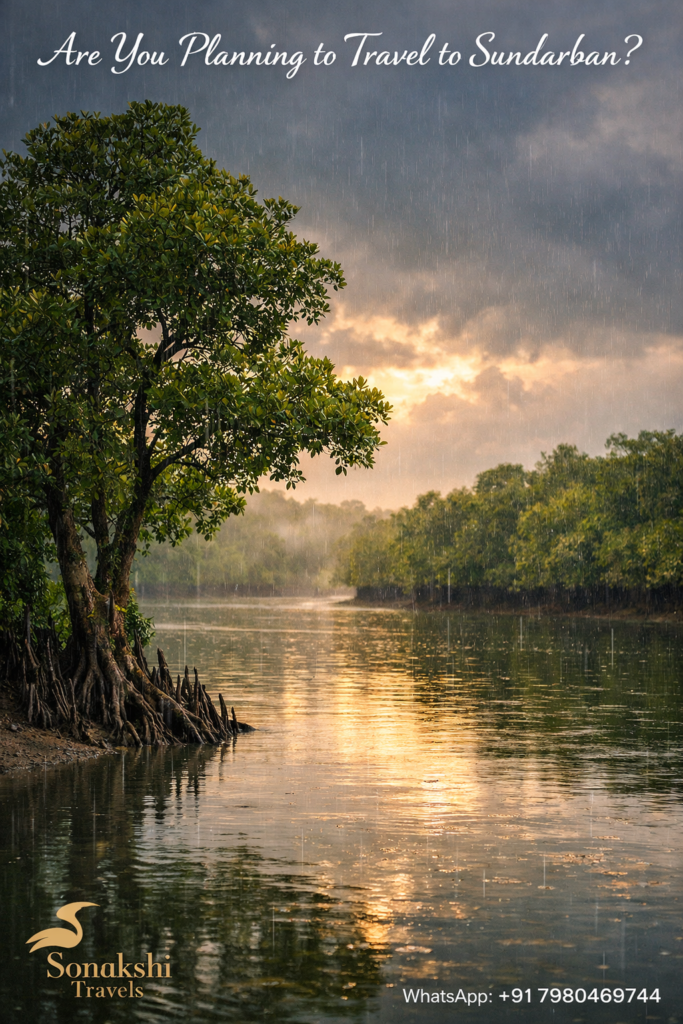
There are journeys that fill a camera roll, and there are journeys that quietly change the way you observe the world. If you are planning to travel to Sundarban, you are not choosing a typical holiday. You are choosing a tidal landscape where rivers replace roads, silence carries meaning, and nature decides the pace of your day. The Sundarban is not a place that performs for visitors. It reveals itself slowly, often between moments of stillness.
Before you pack your bag or confirm your booking, it helps to understand what this delta truly is. It is the largest mangrove forest in the world, stretching across southern West Bengal in India and into Bangladesh. It is home to creeks, mudflats, estuaries, fishing villages, watchtowers, and the legendary Royal Bengal Tiger. Planning to travel to Sundarban means preparing for a journey shaped by tide charts rather than traffic lights.
Understanding the Landscape Before You Travel to Sundarban
The Sundarban is part of the vast Ganges-Brahmaputra delta. The land here is low and interwoven with countless rivers. Water levels rise and fall twice a day. What looks like solid ground in the morning may disappear under water by afternoon. This constant movement defines life here.
When travelers imagine a forest safari, they often think of open grasslands and jeep rides. The experience in Sundarban is different. Most of your time is spent on a boat. The safari happens on water. You move through wide rivers and narrow creeks, watching the mangrove roots twist above the mud. Wildlife sightings are unpredictable. Patience becomes part of the journey.
Understanding this ecological rhythm is important. If you travel to Sundarban expecting a zoo-like experience, you may feel disappointed. If you travel expecting immersion in a living ecosystem, you will return with something deeper.
Best Time to Travel to Sundarban
Choosing the right season can shape your entire experience. The most comfortable period to travel to Sundarban is from October to March. During these months, the weather remains pleasant, humidity is lower, and boat safaris feel more relaxed.
Winter mornings bring mist over the river, creating dramatic scenes. Bird activity increases during this period, making it ideal for wildlife enthusiasts and photographers. The temperature remains moderate, which allows longer safari hours.
Summer months from April to June can be hot and humid. However, some travelers prefer this time because animal movement near water sources may increase. The monsoon season, from July to September, transforms the region into a lush green expanse, but heavy rain and strong tides can restrict travel plans.
If you are planning to travel to Sundarban for the first time, winter remains the safest and most comfortable choice.
How to Reach the Sundarban Region
Most visitors begin their journey from Kolkata. From the city, the road route leads to a jetty point such as Godkhali. The drive usually takes around three to four hours, depending on traffic conditions. From the jetty, boats carry travelers into the forest area.
This transition from road to river marks the real beginning of the Sundarban experience. As the urban landscape fades behind you, the sound of engines softens, and wide water channels open ahead.
It is advisable to arrange transport and boat permits in advance. The Sundarban is a regulated forest zone. Entry passes, licensed boats, and trained guides are mandatory. Proper planning ensures smooth movement without unnecessary delays.
Choosing the Right Type of Tour
When you travel to Sundarban, you will notice that tour options vary widely. There are standard group tours, private tours, and luxury experiences. Your choice should match your expectations and budget.
Group tours are cost-effective and suitable for first-time visitors who want a structured itinerary. Private tours offer flexibility, personalized attention, and a quieter experience on the boat. Luxury tours provide upgraded accommodation, better dining arrangements, and more comfortable vessels.
If you value privacy and slow exploration, a private boat safari may feel more meaningful. Families with children often prefer private arrangements because timing can be adjusted. Couples looking for a peaceful escape may also appreciate the exclusivity.
Before confirming your booking, review what is included: number of safaris, forest permits, guide services, meals, accommodation type, and transportation. Transparency in inclusions prevents confusion later.
Wildlife You May Encounter
The Sundarban is famous for the Royal Bengal Tiger, yet tiger sightings are rare. The forest is dense, and the animals are elusive. The excitement lies in the possibility, not the guarantee.
Spotted deer often appear along the riverbanks. Saltwater crocodiles bask near muddy edges. Various species of kingfishers, herons, egrets, and migratory birds fill the sky during winter. You may also spot wild boars, monitor lizards, and occasionally river dolphins.
Wildlife viewing in Sundarban requires patience and silence. Loud conversations or constant movement reduce the chances of sightings. A knowledgeable guide can help identify animal calls, tracks, and behavioral signs that an untrained eye may miss.
What to Pack When You Travel to Sundarban
Packing for Sundarban is simple but practical. Light cotton clothing works well during most seasons. Neutral colors are recommended, as bright shades may disturb wildlife. Comfortable sandals or shoes with good grip are useful, especially at jetty points.
Carry sunscreen, sunglasses, and a hat to protect yourself from direct sunlight during boat safaris. In winter, early mornings can feel chilly, so a light jacket is helpful. Insect repellent is also advisable due to the mangrove environment.
Do not forget personal medicines and basic essentials. While local markets exist, options may be limited in remote areas. Keeping cash in small denominations is useful because digital payments may not always function smoothly.
Understanding the Cultural Life Around Sundarban
Beyond the forest, villages surround the protected area. Life here depends on fishing, honey collection, small-scale farming, and tourism. The people living near the forest have adapted to tidal cycles and seasonal storms.
If your itinerary includes a village walk, you may observe mud houses, narrow embankments, and small temples dedicated to Bonbibi, the guardian spirit believed to protect residents from forest dangers. Listening to local stories adds depth to your journey.
Travel to Sundarban is not only about wildlife. It is also about understanding resilience. Cyclones and rising tides are part of life here. Tourism provides additional income for many families, making responsible travel important.
A Short Reflection from the River
On one winter morning, a traveler stood quietly at the front of a wooden boat. The engine was off. Only the sound of water touching the hull remained. A distant deer stepped into view and paused. There was no rush, no noise, no performance. Just a shared moment between observer and wilderness.
That is the quiet reward when you travel to Sundarban.
Here is a short poem that captures this feeling:
Where rivers braid the forest floor,
And mangrove roots hold ancient lore,
The tide writes stories in the sand,
Then gently shifts the shape of land.
No road, no horn, no city sound,
Only wings and water all around.
A tiger’s shadow may pass unseen,
Yet silence paints the truest scene.
In the hush between each breath you stand,
Changed by the tide of Sundarban.
Safety and Responsible Travel
The Sundarban is a sensitive ecosystem. Following safety instructions is essential. Always remain inside designated areas during watchtower visits. Do not lean dangerously from boats or attempt to feed wildlife. Respect forest department guidelines without exception.
Plastic waste harms the delicate mangrove system. Carry reusable water bottles and avoid littering. Support tour operators who follow environmental rules and use licensed boats.
If you are planning to travel to Sundarban with children or elderly family members, discuss mobility needs in advance. Boat access, jetty steps, and village paths may require moderate physical movement. Clear communication with your tour organizer helps prevent inconvenience.
Is Sundarban the Right Destination for You?
Before finalizing your plan to travel to Sundarban, ask yourself what you seek from this journey. If you want nightlife, shopping streets, or fast-paced sightseeing, this region may feel too quiet. If you appreciate slow mornings, wide horizons, and nature-led experiences, Sundarban will feel meaningful.
Travel here teaches patience. It teaches respect for ecological balance. It reminds you that humans are guests in certain spaces, not owners.
When you leave the delta and return to the city, you may notice that ordinary sounds feel louder. The rhythm of traffic may seem rushed. And somewhere within, the memory of tidewater and mangrove shade remains steady.
So, are you planning to travel to Sundarban? If the answer is yes, prepare not only your luggage but also your expectations. Arrive with curiosity. Move with patience. Listen more than you speak. The forest does not hurry, and neither should you.
The Sundarban does not promise spectacle. It offers presence. And for many travelers, that becomes the most valuable part of the journey.