Sundarban Hilsa Festival: Where River Culture, Taste, Travel, and Memory Come Together
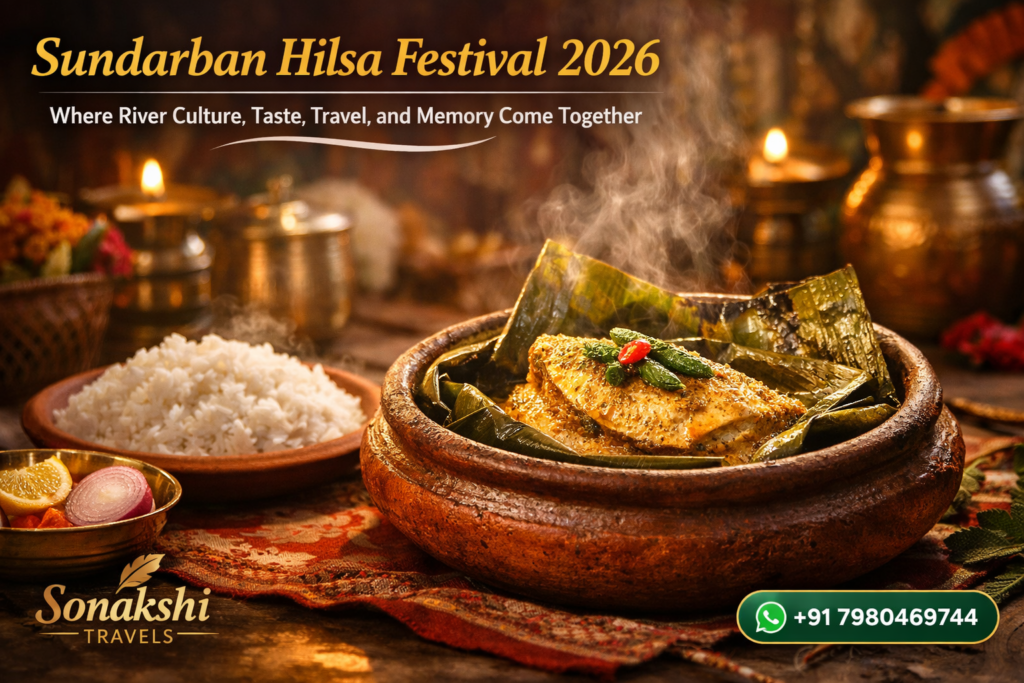
Some journeys are remembered for their views. Some are remembered for their food. A few rare journeys are remembered for both. The Sundarban Hilsa Festival belongs to that rare kind of travel experience where river life, local cooking, cultural feeling, and slow natural beauty come together in one meaningful way. It is not only a food event. It is also a seasonal travel experience shaped by water, fishing life, village tradition, and the deep love Bengalis have for hilsa fish.
In the Sundarban region, food is never separate from place. The rivers decide movement, the tides shape daily life, and the kitchen carries the taste of that landscape. When travellers join a Sundarban Hilsa Festival experience, they are not simply going to eat a famous fish dish. They are stepping into a world where aroma, hospitality, river heritage, and local emotion meet in a natural and unforgettable way.
What makes this festival special is the way it joins many forms of value at once. It offers the joy of eating fresh ilish, the pleasure of boat travel through one of India’s most unique landscapes, the warmth of Bengali food culture, and the quiet happiness of sharing meals in a place where water, mudbanks, mangroves, and sky are always close. That is why the festival is not only about taste. It is about mood, memory, and place.
For many travellers, this is also a softer and more meaningful way to understand the Sundarban. Instead of seeing it only as a forest of wildlife and watchtowers, they begin to see it as a living cultural region. The rivers feed both the people and the stories. The kitchen preserves both skill and identity. The festival becomes a bridge between tourism and tradition. This deeper meaning is what gives the journey its lasting power.
Why the Sundarban Hilsa Festival Feels Bigger Than a Food Event
A food festival can sometimes become a simple display of dishes. But the Sundarban version feels richer because the fish, the place, and the people are closely connected. Hilsa is not treated as just one menu item. It carries emotion, seasonal value, and cultural pride. In Bengal, hilsa has a place in family meals, festive tables, old memories, and conversations about taste. When this feeling enters the river world of the Sundarban, the result becomes much more than an ordinary tour.
The experience has emotional depth because the setting itself already carries strong character. The Sundarban is a land of tides, creeks, soft light, and quiet movement. When that natural setting is joined with the smell of mustard, steamed fish, fried pieces, slow cooking, and fresh local ingredients, the journey becomes layered. The traveller is not only looking at nature from a boat. The traveller is also feeling the region through food.
This is why the festival can attract different kinds of people at the same time. Food lovers come for taste. Families come for a memorable holiday. Cultural travellers come for local identity. Nature lovers come because the Sundarban itself is part of the attraction. The festival works so well because it does not depend on one single reason. It brings together many reasons in one complete travel idea.
There is also something very human about the way the event is understood. A plate of hilsa is never only a plate of fish in Bengali life. It carries care, skill, home memory, and regional pride. In the Sundarban, that feeling becomes even stronger because the water world around the traveller reminds them that food begins long before it reaches the table. It begins in rivers, boats, markets, kitchens, and traditions passed from one generation to another.
The Real Beauty of the Festival Lies in Taste, Aroma, and Atmosphere
One of the strongest ideas connected with this travel experience is not only eating but sensing. The aroma of hilsa cooking is an important part of the attraction. The smell of mustard paste, green chilli, turmeric, and warm oil has the power to create mood before the first bite is even taken. In that sense, the festival is not only about flavour. It is about anticipation, comfort, and the full emotional effect of food.
That is why the journey often feels like entering a world shaped by smell, taste, and river air at the same time. A traveller may sit on a boat or at a riverside stay, look at the changing light over the water, and wait while a meal is prepared with care. This slow build-up matters. It creates a special kind of joy that is very different from eating in a crowded city restaurant. In the Sundarban, the meal feels rooted in the landscape around it.
This rich sensory feeling is captured well in the idea of an aromatic Sundarban Hilsa Festival journey, where smell, setting, and seasonal mood become part of one travel memory. The phrase suggests something important: the festival works because it engages more than hunger. It engages the senses. The sound of water, the sight of green banks, the warmth of fresh food, and the fragrance of cooking all join together.
In simple terms, the food feels more alive because the place feels alive. That is why Sundarban food tourism has emotional power. A visitor does not just consume a meal. The visitor receives an atmosphere. This is also why people often remember festival food more clearly than regular restaurant food. Memory becomes stronger when smell and place are connected.
How Hilsa Becomes a Cultural Experience, Not Just a Dish
Hilsa is loved for its taste, but the deeper value is cultural. It speaks of Bengal’s river history, household tradition, festive eating, and respect for seasonal food. Different styles of cooking also show the skill and imagination of Bengali cuisine. A fish can be fried, steamed, prepared in mustard, wrapped with care, or served in a rich gravy, yet each version keeps the honour of the ingredient.
During a festival, this cultural role becomes more visible. The meal is not rushed. It is presented with pride. Guests are invited to enjoy the fish in ways that highlight both flavour and tradition. The experience therefore becomes educational in a soft and natural way. People understand the culture not from a lecture, but from the meal itself.
A Journey Through the Sundarban Makes the Festival More Meaningful
The travel side of the festival is just as important as the food side. The Sundarban is one of those places where movement itself creates feeling. Travellers cross water, pass villages, watch shifting light, and enter a region where river life still shapes everyday rhythm. Because of this, the road or boat journey is not separate from the event. It prepares the mind for it.
That is why the idea of a journey to the hilsa fish festival in Sundarban matters so much. The word journey is important. It suggests that the experience begins before the meal and continues after it. Travellers do not arrive only to attend a food program. They enter a landscape where the value of the festival becomes easier to understand.
The Sundarban adds depth because it is a place of contrast. It is wild yet peaceful. It is famous yet still full of silence. It feels open because of the rivers, but also intimate because life moves through narrow creeks, village edges, and close human spaces. In such a setting, the meal feels grounded and personal. The traveller senses that food here belongs to a real community and a real environment.
This also changes the mood of tourism. Instead of fast sightseeing, the traveller moves into slower observation. The eyes rest on water. The mind leaves city noise behind. The body relaxes into a calmer rhythm. When the meal finally comes, it feels earned in the best way. Travel and appetite begin to support each other. This is one reason why the festival journey can stay in memory for a long time.
For many visitors, this balance between movement and stillness is the hidden strength of the experience. They may come for Sundarban hilsa festival travel, but they return with a wider understanding of the Sundarban as a place of living culture. The food opens the door, but the journey gives the experience emotional shape.
Understanding Cost Means Understanding Value, Not Just Price
Whenever people plan a seasonal travel event, one practical question naturally comes first: what will it cost? This is an important question, but in a meaningful travel experience, cost should never be judged only by the amount of money. It should also be judged by what the traveller receives in return. In the case of the Sundarban Hilsa Festival, value includes food quality, seasonal freshness, cultural atmosphere, travel experience, and the uniqueness of the setting.
This is why a closer look at the cost of a Sundarban Ilish Utsav tour should be understood as part of a larger travel decision. A traveller is not paying only for fish dishes. The payment may also reflect boat arrangements, hospitality, meals, local planning, seasonal demand, and the rare chance to enjoy a themed experience in a destination already known for its natural beauty.
Good travel planning always asks a simple question: what kind of memory am I buying? A cheap plan may look attractive at first, but if it lacks quality, care, comfort, or proper food experience, then the journey may lose its meaning. On the other hand, a well-designed festival tour can offer stronger value because it combines several things at once: destination travel, regional cuisine, cultural immersion, and emotional satisfaction.
There is another point too. Seasonal festivals often carry time value. They are linked to a mood, a food season, and a special period when the experience feels most alive. Missing that season means missing part of the meaning. So when travellers think about price, they should also think about timing, freshness, and the rare nature of the event. Practical thinking matters, but deeper value matters too.
What Smart Travellers Usually Look For
Wise travellers do not ask only, “How much does it cost?” They also ask, “What does the experience include?” They want to know whether the food is central or only decorative, whether the travel setting supports the theme, whether the event feels authentic, and whether the whole journey matches the emotional promise. This is the correct way to think about festival tour value.
In a destination like the Sundarban, where nature and culture are deeply connected, value becomes even more important than plain price. A true festival experience should feel whole. Food, route, stay, hospitality, and atmosphere should all support one another.
Every Bite Carries Story, Tradition, and Local Identity
The strongest travel experiences are often those where food tells a story. The Sundarban Hilsa Festival does this beautifully. Each bite can suggest more than flavour. It can suggest river history, fishing culture, family kitchens, seasonal joy, and the long relationship between Bengal and hilsa. This is what gives the journey emotional richness.
When people speak about food in a deep way, they often say that taste can carry memory. That is especially true here. A festival meal in the Sundarban may remind one traveller of childhood meals, another of Bengali festivals, and another of the simple beauty of eating fresh food in the right place. The meaning changes from person to person, but the effect remains strong.
This emotional idea is reflected in the feeling that every bite in a Sundarban Hilsa Tour tells a story. That story is not a made-up one. It rises naturally from the connection between region, ingredient, people, and preparation. The dish becomes a cultural message. The meal becomes a form of local expression.
That is why traditional Bengali food has such lasting strength in travel. It speaks clearly even without complicated explanation. The guest understands through taste what books and brochures often fail to show. Food makes culture easy to feel. In the Sundarban, this happens with special force because the surrounding river world reminds the traveller that the meal is part of a larger living system.
There is also dignity in this. A festival based on hilsa does not only celebrate pleasure. It also honours the people, habits, and culinary knowledge that keep such traditions alive. In a time when many travel experiences become too polished or too artificial, this kind of rooted food journey feels honest. It has warmth. It has identity. It has depth.
Why the Sundarban Hilsa Festival Deserves Attention as a Complete Travel Experience
When all the parts are viewed together, the true meaning of the festival becomes clear. It is not only a themed holiday. It is a complete cultural travel experience built from hilsa cuisine, river atmosphere, local feeling, seasonal timing, and the wider emotional power of Bengal’s food tradition. Each part supports the others. Remove one part, and the whole idea becomes weaker. Keep them together, and the experience becomes special.
This is why the festival can speak to both the heart and the mind. The heart responds to taste, smell, beauty, and memory. The mind responds to cultural meaning, travel value, and the uniqueness of the place. Good tourism always works best when both are satisfied. The Sundarban Hilsa Festival 2026 has the potential to do exactly that.
It also offers an important lesson about travel itself. The most memorable journeys are not always the most distant or the most expensive. They are often the ones where place, food, and feeling fit together in a natural way. Here, the rivers of the Sundarban, the love of hilsa, and the warmth of Bengali tradition create that rare fit.
In the end, the festival matters because it allows travellers to experience the Sundarban through more than one door. Some may enter through food. Some through scenery. Some through curiosity about culture. But once inside, they discover that everything is connected. The fish is connected to the river. The river is connected to the people. The people are connected to tradition. And tradition is connected to memory.
That is what makes the Sundarban Hilsa Festival more than a seasonal attraction. It becomes a meaningful meeting point of taste, travel, and identity. It shows how a regional food journey can become a complete and lasting experience when it is shaped by real place, real culture, and the timeless joy of sharing a memorable meal.