Sundarban Luxury Private Tour: Where Wilderness Meets Refined Comfort
Updated Date: 18 February 2026
The Sundarban is not a conventional destination that announces itself through crowded viewpoints or predictable panoramas. It is a living delta—quiet, complex, and governed by tides—where braided rivers meet salt-laced air and mangrove roots stitch the shoreline into a natural fortress. For travellers who value depth over display, a well-curated experience in this UNESCO-protected landscape becomes a rare kind of luxury: time, space, and authenticity. Early context about the region, routes, permits, and the forest’s rhythm is best understood through Sundarban Travel, especially if you are comparing different entry points, seasons, and safari conditions.
A private journey in the Sundarbans transforms raw geography into an experience defined by thoughtful planning, personalised service, and responsible exploration. When executed with ecological sensitivity, a premium itinerary delivers more than sightseeing—it enables meaningful immersion in one of the planet’s most fragile yet resilient habitats, while maintaining comfort standards that suit families, couples, senior travellers, and international visitors.
Understanding the Sundarban: A Living Delta of Global Importance
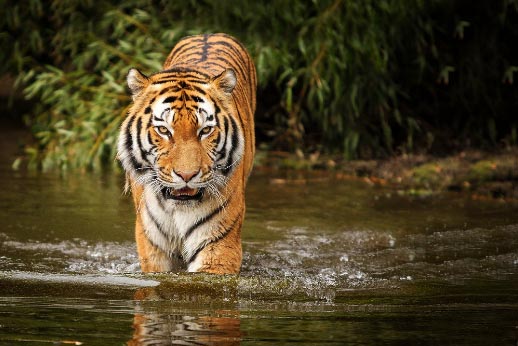
Located in the southern fringe of West Bengal, the Indian Sundarbans span a vast reserve forest shaped by dynamic hydrology. This region is internationally recognised for biodiversity, and particularly for the Royal Bengal Tiger—an apex predator adapted to a semi-aquatic environment where swimming between islands is part of survival. Yet the tiger is only one thread in a larger ecological tapestry that includes estuarine fish nurseries, salt-tolerant mangrove species, and a complex food chain sustained by tidal exchange.
Beyond its iconic predator, the delta supports saltwater crocodiles, water monitor lizards, and a rich birdlife that draws serious birders. Dolphins—both Ganges river dolphins and Irrawaddy dolphins—may surface in broader channels during calm windows, while mudbanks reveal signs of otters and deer. Because the forest is protected, access is regulated and safari activity must align with forest department rules, route permissions, and tidal conditions.
Travellers planning a core wildlife-and-ecology experience often begin with a structured itinerary through the region’s main circuits. If you want a foundation that covers watchtowers, boat routes, permits, and logistics in a straightforward format, the main Sundarban tour overview is typically the most practical starting point for understanding what is feasible across different seasons.
From Kolkata to the Mangrove Frontier: Seamless Travel Planning
Departure and Transit Experience
Most premium itineraries begin in Kolkata and proceed by road to the primary gateways—Godkhali and Sonakhali—where river travel takes over. The road journey generally ranges between 3.5 and 4.5 hours depending on traffic, weather, and route selection. In a private plan, the transfer is not treated as a rushed commute. Instead, it is paced with scheduled comfort halts, water and sanitation breaks, and coordinated boarding times so that guests reach the jetty without prolonged waiting.
Experienced operators also account for practical variables: seasonal road conditions, jetty crowd patterns, and timing that aligns with tide cycles. Even small choices—such as boarding before the sharp afternoon heat in warmer months—can influence the quality of your first cruise into the creeks.
Boat Embarkation and River Entry
From the jetty, guests board reserved vessels that comply with forest department regulations. Private charters typically provide flexible cruising speed, dedicated seating areas, and a calmer soundscape—important for wildlife observation and photography. In narrow creeks, engines are reduced, and the boat drifts through mangrove corridors where the forest seems to breathe in silence.
For travellers comparing inclusions and comfort standards—private vehicles, meal structure, cruise durations, and stay categories—a detailed Sundarban tour package guide can help clarify which elements are standard and which are best added as upgrades for privacy and pace control.
What Defines a Sundarban Luxury Experience in Practical Terms?
In the Sundarbans, luxury is less about ornamental opulence and more about seamless systems: reliable logistics, hygienic meals, trained guidance, safer cruising, and accommodation that stays comfortable despite a humid delta environment. A refined plan typically includes eco-resorts chosen for clean water systems, dependable power backups, mosquito management, and proximity to navigable channels—reducing unnecessary transfers and maximising time on the river.
Private Boat Safaris and Controlled Pace
Unlike group departures where stops are hurried and observation time is shared, a private boat allows longer pauses near promising stretches—mudflats at low tide, shaded bends where crocodiles bask, or open water where dolphins occasionally surface. This controlled pace also supports quieter movement, which is essential in a landscape where sound travels easily and wildlife retreats quickly.
Licensed forest guides provide more than route support. They interpret tide behaviour, seasonal movement, and mangrove ecology—explaining why certain channels turn saline, how mudbanks form, and why specific bird species appear in specific months. This transforms cruising from “boat travel” into a guided environmental reading of the delta.
Eco-Luxury Accommodation That Actually Works in a Delta
Premium lodges in the Sundarban region are typically designed with a balance of sustainability and comfort. Standard expectations should include clean en-suite bathrooms, well-maintained bedding, good ventilation, filtered drinking water, and insect control measures. Many quality properties use solar-assisted systems and rainwater harvesting, while incorporating locally sourced materials such as bamboo and timber to reduce environmental footprint.
If your goal is privacy, customisation, and exclusive cruising arrangements—with a focus on refined comfort rather than a generic group format—the curated Sundarban private tour format is typically the most suitable structure for families, couples, and international guests seeking quieter, more controlled experiences.
Wildlife Encounters: Realistic Expectations and Responsible Viewing
One of the most common questions is about tiger sightings. It is important to approach the Sundarbans with scientific realism: this is a protected forest ecosystem, not a safari park. Wildlife is not staged, and sightings depend on tide levels, seasonality, wind direction, and pure chance. What the Sundarbans consistently offer, however, is a powerful sense of presence—signs, tracks, alarm calls, and an ecosystem that feels unfiltered.
Royal Bengal Tiger: Rare Sightings, Strong Indications
The mangrove tiger is elusive. Guests may notice fresh pugmarks along mudbanks, scratch marks on trees, or sudden silence among birds. Deer alarm calls can ripple across the forest like a warning system. Even without a direct sighting, these signs communicate that the predator’s territory is active.
Crocodiles, Dolphins, and Estuarine Life
Saltwater crocodiles are among the most reliably observed species, often basking on exposed banks during low tide. Dolphins occasionally surface in wider channels; early morning often provides the calmest water, improving visibility. The Sundarbans are also an important fish breeding ground, which is why bird diversity remains high—food availability shapes the entire ecosystem.
Birding Value: A Destination for Serious Naturalists
Birdwatchers regularly highlight the Sundarbans for raptors and waterbirds. Brahminy kites, kingfishers, and sea eagles are frequently recorded, while rarities such as the masked finfoot may appear under favourable conditions. A private plan supports longer observation time, quieter movement, and better angles for photography.
Travellers who want an even more premium framing of the experience—private comfort, tailored cruising, and a quiet, high-end approach—often evaluate it through the broader lens of a Sundarban luxury tour, particularly when the priority is exclusivity rather than volume sightseeing.
Cultural Dimensions: Life Along the Delta
The Sundarbans are not only a forest; they are also a human landscape shaped by risk, resilience, and river dependency. Communities in the delta depend on fishing, crab collection, honey gathering, and small-scale farming—livelihoods deeply influenced by salinity, cyclonic disruptions, and shifting riverbanks.
Traditional Occupations and Forest-Edge Resilience
Mouli honey collectors enter forest zones during designated seasons, navigating difficult terrain in search of wild honey. Fisher families operate in tidal rivers using small wooden boats and local knowledge of currents. Their daily lives offer a sobering contrast to the comfort of a premium itinerary, making respectful interaction meaningful when it is conducted without intrusion.
Folk Traditions and Storytelling Culture
Evenings at select lodges sometimes include Baul music or local performances that reflect the region’s spiritual and oral traditions. When included thoughtfully, cultural sessions provide context—not as staged entertainment, but as a window into how communities explain nature, fate, and survival along the forest edge.
Cuisine of the Sundarban: Regional Authenticity with Hygienic Planning
Food is a defining element of the delta journey, especially when it is planned with attention to freshness, water safety, and dietary needs. Meals typically emphasise local fish, seasonal vegetables, and Bengali preparation methods. Hilsa in mustard gravy may appear during the appropriate season, while prawn preparations, lentils, rice, and coconut-based sweets are common staples.
Private arrangements can accommodate vegetarian, Jain, and low-spice preferences when communicated in advance. A refined plan also ensures safe drinking water, clean cooking environments, and reliable meal timing—small details that strongly influence overall comfort in a humid, river-based destination.
Best Time to Visit: Seasonality, Climate Comfort, and Visibility
The operational season typically extends from October to March. Winter months—especially December to February—offer comfortable temperatures, lower humidity, and clearer visibility for wildlife observation. Summer months can feel heavy and humid, and although tourism volume is lower, heat management becomes important for seniors and families. Monsoon months bring heavy rainfall and may restrict forest access depending on conditions and official advisories.
For travellers prioritising comfort and stable cruising conditions, peak winter remains the preferred window, particularly for birding and photography where clarity and calmer water matter.
Responsible Tourism: Why Ethics Matter in the Sundarbans
The Sundarbans face multiple environmental pressures, including habitat erosion, cyclonic events, and salinity shifts. Ethical tourism is not a slogan here—it is a necessity. Responsible operators usually follow plastic-minimisation practices, promote local employment, and maintain strict compliance with forest rules, including permitted routes, timing, and passenger limits.
Guests also play a role by avoiding loud music on boats, respecting village privacy, and minimising waste. In a landscape where ecological balance is fragile, small behavioural choices meaningfully reduce impact.
Sample 2 Nights / 3 Days Private Itinerary Overview
Day 1: Kolkata to Delta Gateway, First River Safari
Depart Kolkata, transfer to Godkhali/Sonakhali, board a reserved boat, lunch onboard, afternoon forest cruise and watchtower visit (subject to permits), evening cultural session at the lodge.
Day 2: Core Safari Circuit and Creek Exploration
Early morning cruise through narrow creeks, regulated watchtower visits and canopy walk (as permitted), extended observation windows for birding and crocodile sightings, sunset cruise with a quieter route selection.
Day 3: Slow Morning, Village Context, Return to Kolkata
Breakfast, short village interaction arranged respectfully, embarkation back to the jetty, road transfer to Kolkata.
For travellers who prefer a clearly structured weekend escape that matches this duration, the 2 nights 3 days Sundarban tour plan offers a focused framework that aligns well with private upgrades and seasonal adjustments.
Who Benefits Most from a Luxury Private Sundarban Journey?
- Couples who value privacy, quiet cruising, and curated experiences
- Families seeking predictable hygiene standards, flexible pacing, and safer logistics
- Wildlife photographers requiring uninterrupted observation time and calmer positioning
- International guests who prefer guided interpretation and curated eco-luxury
- Corporate groups planning premium, low-noise nature retreats
The delta’s character is especially suitable for travellers who appreciate contemplative landscapes—where the highlight is not always a single “big sighting,” but the unfolding rhythm of an ecosystem that remains genuinely wild.
Final Reflections: A Landscape That Redefines Travel
The Sundarbans do not overwhelm visitors with spectacle. They reveal themselves gradually—through filtered sunlight on mangrove roots, distant bird calls carried over water, and the slow intelligence of tides. A thoughtfully organised private itinerary preserves this balance between exploration and restraint. Privacy, ecological awareness, and logistical precision ensure that the experience remains authentic while maintaining the comfort that discerning travellers require.
If you are planning a premium escape into India’s most distinctive mangrove wilderness, consider approaching the itinerary as a carefully designed field experience—quiet, well-informed, and responsibly executed. For customised routing, stay category selection, and private charter coordination, professional assistance can help you align comfort preferences with permit realities and seasonal conditions, ensuring the forest is experienced with respect and clarity.