How Safe Is a Sundarban Tour for Visitors?
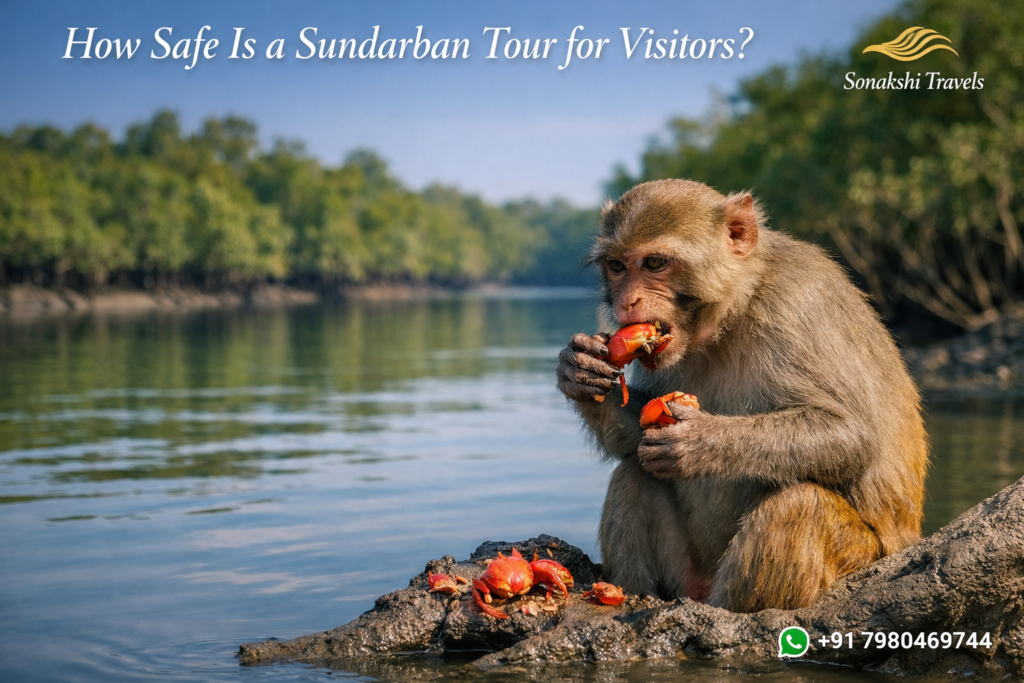
A journey into the Sundarban is very different from visiting a city monument or a hill station. It is a tidal mangrove forest where rivers, creeks, and islands form a living maze. The land shifts with the tide. Boats replace roads. Wildlife moves quietly through thick vegetation. Because of this unique environment, many travelers explore detailed regional insights through Sundarban Travel before asking a practical question: how safe is a Sundarban tour for visitors?
Safety in the Sundarban is not about eliminating risk completely. It is about understanding the landscape, following regulated systems, and choosing organized travel arrangements. When managed properly, a Sundarban tour is structured, monitored, and carefully supervised. Preparation, awareness, and responsible operation make a measurable difference.
Understanding the Landscape Before Judging the Risk
The Sundarban is the largest mangrove forest in the world and a protected biosphere reserve. It is known for its network of tidal rivers and its population of wildlife, including the Royal Bengal Tiger. At first glance, dense forest channels and stories of wildlife may create a sense of uncertainty.
However, visitors do not walk freely through deep forest interiors. A structured Sundarban forest journey is primarily boat-based and regulated by entry permits. Travelers move along designated waterways and visit approved watchtowers under supervision. Forest checkpoints monitor entry and exit. Boats follow defined routes.
In practical terms, tourists are not entering unmanaged wilderness. They are traveling within a controlled eco-tourism system designed to balance conservation priorities with visitor protection.
Government Regulations and Permit System
One of the strongest safety foundations of a Sundarban tour lies in its permit-based entry structure. Every visitor entering the reserve forest area must receive authorization from the forest department. Boat operators require valid licenses. Guides must be officially approved.
This regulatory system ensures that entry is monitored and visitor numbers are managed. Routes are defined, and watchtowers such as Sajnekhali, Sudhanyakhali, and Dobanki operate under supervision. Many travelers booking a structured organized Sundarban tour package benefit from operators who handle these formalities in advance.
Forest officials stationed at entry points add another level of oversight. Boats are registered before departure and accounted for upon return. Such procedures significantly reduce operational uncertainty.
Wildlife Safety: Are Tiger Encounters a Real Threat?
The Sundarban is globally recognized for its Royal Bengal Tiger population. It is natural for visitors to worry about possible encounters. In reality, direct interaction between tourists and tigers is extremely rare. Visitors remain on boats or within secured watchtower enclosures.
Tourism channels are carefully selected to avoid core breeding and high-movement zones. Boats maintain distance from riverbanks where wildlife may rest. Watchtowers are elevated and protected. Observations occur from safe vantage points.
While isolated incidents have historically occurred in remote working zones involving fishermen or honey collectors, regulated tourist movements follow strict guidelines. A properly managed Sundarban private tour experience often offers even greater control over pacing, group size, and onboard supervision.
Boat Safety and River Navigation
Since the Sundarban is explored by boat, river navigation is central to safety. Tidal currents shift throughout the day, and channels may become shallow during low tide. Weather patterns can also change unexpectedly.
Licensed vessels operating in the delta are designed for these conditions. They are equipped with life jackets, communication systems, and trained crew members who understand tidal schedules. Experienced boatmen adjust routes based on water depth and current direction.
Responsible scheduling further reduces exposure to risk. During severe weather alerts or cyclonic warnings, departures are postponed. Travelers choosing extended itineraries such as a 2 nights 3 days Sundarban tour package often benefit from slower pacing, allowing operators to plan river movement carefully around tide cycles.
Health and Medical Considerations
Health preparation is another practical aspect of safety. The Sundarban climate can be humid, particularly during warmer months. Dehydration may occur if water intake is insufficient. Mosquitoes are present near mangrove edges.
Simple precautions are usually enough. Wearing breathable cotton clothing, applying mosquito repellent, and carrying essential medicines provide comfort. Most registered boats maintain first-aid kits onboard.
For elderly visitors or individuals with specific health conditions, advance communication with the operator is recommended. Although connectivity is limited in some interior zones, professional arrangements plan emergency coordination in advance.
Weather Patterns and Seasonal Safety
Seasonal timing influences how safe and comfortable a Sundarban tour feels. Winter months generally offer calm river surfaces, clearer visibility, and moderate humidity. These conditions are widely preferred by first-time visitors.
Monsoon brings heavier rainfall and stronger currents. Tourism continues, but navigation becomes more cautious. Summer can be warm, yet operational safety remains stable when hydration and rest breaks are maintained.
Travelers seeking higher levels of comfort often explore options designed around smaller groups and structured scheduling, such as a Sundarban luxury tour arrangement that prioritizes planning flexibility and onboard amenities.
Safety for Families and Children
Families frequently ask whether a Sundarban tour is suitable for children. With supervision and responsible planning, the answer is yes. Boats used for tourism are stable, and many provide enclosed seating areas. Life jackets are available in appropriate sizes.
Children often find the river journey engaging because it feels like a quiet exploration rather than a strenuous trek. Parents should ensure that children remain seated during movement and avoid leaning over railings.
With clear guidance and basic discipline, the experience can be both educational and secure for younger visitors.
The Role of a Reliable Tour Operator
The overall safety of a Sundarban tour depends heavily on the organizing authority. Licensed operators manage permits, trained guides, vessel compliance, and forest coordination. Informal arrangements increase uncertainty.
Professional teams conduct briefings before entering forest zones. They explain noise control, waste management rules, and movement restrictions during wildlife sightings. These measures protect visitors while preserving ecological balance.
Such guidelines are not limitations. They are structured safeguards that make exploration possible without compromising safety.
A Real Experience: Calm Within the Mangroves
On a winter morning near Sudhanyakhali watchtower, a small group stood quietly on the deck of their boat. The river surface was smooth, reflecting pale sunlight. Mangrove roots touched the water in intricate patterns.
There was no panic, no fear. Only silence and patient observation. A spotted deer emerged along the bank. A crocodile rested motionless on a mud patch. The guide quietly instructed everyone to remain still.
That moment demonstrated how structure and discipline create calm. When guidelines are respected, the forest reveals itself without confrontation.
A Short Reflection on Respect and Safety
Safety in the Sundarban is closely tied to respect—for tides, wildlife, and regulatory systems.
Where rivers breathe in silver light,
And mangroves hold the shore so tight,
Where silence walks on muddy land,
And tides redraw the shifting sand,
Safety lives in mindful pace,
In quiet eyes and patient grace,
No rush, no reckless step or roar,
Just gentle drift from shore to shore,
The forest guards what we explore,
If we respect its ancient core.
Final Thoughts on How Safe a Sundarban Tour Truly Is
So, how safe is a Sundarban tour for visitors? When organized through licensed channels, conducted within approved zones, and supported by trained guides, it operates within a structured and regulated framework. Natural environments always involve some level of unpredictability, but systematic oversight significantly reduces exposure to danger.
Visitors are not wandering through unmanaged forest interiors. They are navigating monitored waterways under supervision. Wildlife remains at observational distance. Boats follow authorized routes. Entry and exit are documented.
Safety here is not driven by fear but by informed preparation. When travelers approach the landscape with patience and select organized arrangements, the journey becomes calm, memorable, and secure.
The mangroves do not threaten those who move with awareness. They respond to discipline and respect. And when those principles guide your Sundarban tour, the experience unfolds with quiet confidence.