Sundarban Tour Travel Checklist
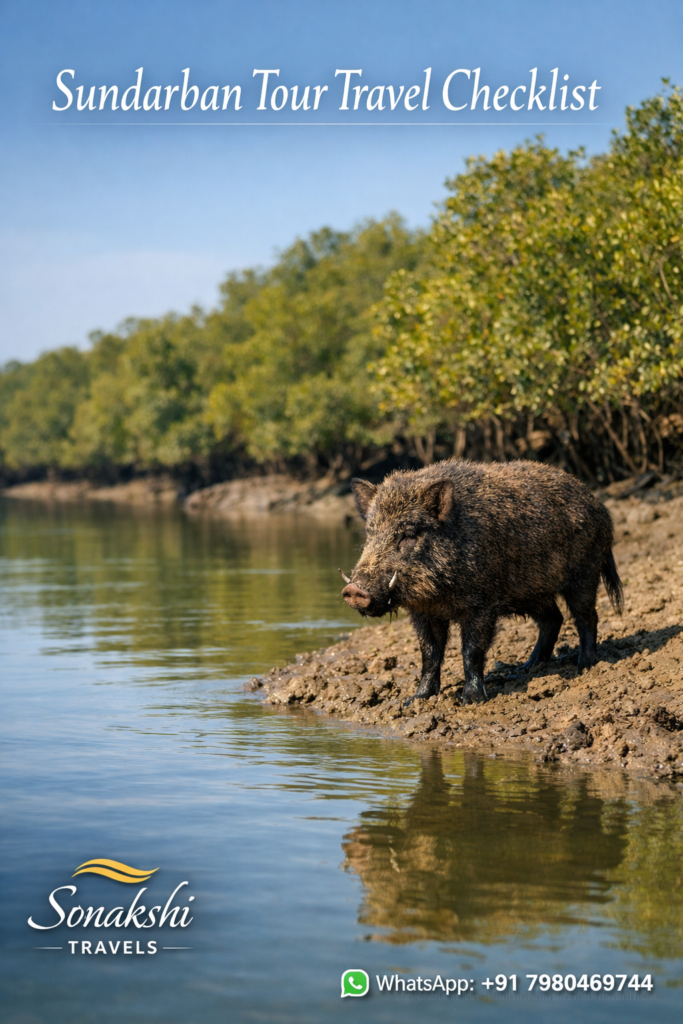
A journey to the Sundarbans is unlike most travel experiences in India. The moment travelers leave the busy streets of Kolkata and move toward the river gateways of the delta, the atmosphere begins to change. Roads gradually give way to waterways, the air becomes heavier with the scent of mangrove forests, and the rhythm of life slows down. Boats replace buses, rivers replace highways, and nature quietly takes control of the landscape.
Because the Sundarbans is a tidal mangrove ecosystem rather than a typical tourist destination, thoughtful preparation becomes essential. Travelers often discover that a well-planned travel checklist can make the difference between a comfortable journey and an unnecessarily stressful one. The region’s unique environment, changing tides, remote islands, and wildlife-rich forests require visitors to think differently about travel planning.
A Sundarban tour travel checklist is therefore not just about packing clothes. It includes planning transportation, organizing permits, choosing suitable clothing, understanding the climate, preparing basic health essentials, and mentally adjusting to a landscape where nature sets the schedule. When travelers prepare carefully, the entire journey becomes smoother and more enjoyable.
Understanding the Unique Nature of a Sundarban Tour
Before preparing a checklist, it is important to understand what makes the Sundarbans different from other destinations. This region is the world’s largest mangrove forest, spread across countless islands separated by tidal rivers. Much of the exploration happens by boat, and many areas are protected under forest regulations.
Unlike mountain destinations where travelers walk along marked trails, the Sundarbans must be experienced from waterways, watchtowers, and forest villages. Travel schedules depend on tides and forest permissions rather than strict clock-based itineraries. Because of this, preparation must focus on flexibility, comfort, and awareness of the environment.
Visitors who arrive prepared usually find the experience peaceful and deeply rewarding. Those who underestimate the nature of the destination sometimes struggle with small inconveniences that could easily have been avoided with a simple checklist.
Essential Travel Documents and Permits
One of the first items on any Sundarban tour travel checklist should be documentation. The Sundarbans includes protected forest zones where visitor access is regulated by the forest department. As a result, travelers often require identification and official permits during their visit.
Indian visitors should carry valid government identification such as Aadhaar cards, voter cards, or passports. International travelers must carry passports and visa documentation. Tour operators usually arrange forest permits in advance, but guests are required to provide identification details before entering the reserve.
Keeping digital copies of important documents on a mobile device can also be helpful. Connectivity may be limited in some areas, but having backup records ensures that unexpected situations can be handled smoothly.
Clothing Suitable for the Mangrove Climate
Clothing plays a surprisingly important role during a Sundarban tour. The delta has a humid climate throughout most of the year, and temperatures can feel warmer than expected due to moisture in the air. Light, breathable fabrics are therefore the best choice.
Cotton shirts, loose trousers, and comfortable travel clothing help visitors remain relaxed during long boat safaris. Neutral colors such as green, brown, or beige are recommended because they blend naturally with the environment and do not disturb wildlife.
During winter months, early mornings on the river can feel cool due to wind over open water. Carrying a light jacket or shawl is therefore a practical addition to the checklist. Comfortable walking shoes are also useful for exploring village paths and watchtower areas.
Health and Personal Care Essentials
Travelers entering a remote natural region should always carry basic health and personal care items. Although Sundarban resorts and tour operators provide essential support, personal preparation offers additional peace of mind.
Mosquito repellent is one of the most important items in the checklist. Mangrove environments naturally attract insects, especially during evening hours. Sunscreen is equally important because boat safaris often involve long hours under open skies.
Travelers should also carry personal medications, a small first aid kit, hand sanitizer, and hydration supplies. Even simple items like lip balm, wet wipes, and sunglasses can make the journey more comfortable when spending extended time outdoors.
Travel Gear for River Safaris
A Sundarban tour often includes several hours of boat exploration through narrow mangrove channels and wide tidal rivers. Carrying the right travel gear enhances the experience significantly.
Binoculars are particularly useful for wildlife observation. Many animals in the Sundarbans appear at a distance, especially birds resting on mudbanks or deer moving along forest edges. A good pair of binoculars allows visitors to observe these moments clearly.
Photography enthusiasts should bring cameras with zoom lenses, spare batteries, and memory cards. The landscape offers remarkable opportunities for nature photography, from mangrove reflections on calm water to birds flying above the forest canopy.
A small backpack or waterproof bag can also help protect personal belongings during boat journeys, especially when sudden rain showers appear.
Understanding Weather and Seasonal Conditions
Weather conditions influence the Sundarban experience more than many travelers realize. The region follows seasonal patterns shaped by monsoon rains, winter winds, and summer humidity.
Winter months from November to February are considered the most comfortable time for travel. Temperatures remain pleasant, and visibility during boat safaris is usually clear. Early mornings can be slightly cool, but the weather generally supports relaxed exploration.
Summer months bring higher humidity, while the monsoon season introduces heavy rainfall and strong river currents. Travelers visiting during these periods should include rain protection, extra clothing, and waterproof storage in their checklist.
Food, Hydration, and Energy During the Journey
A Sundarban trip often includes long hours of exploration between islands and forest watchtowers. Maintaining energy and hydration is therefore essential. Most organized tours provide meals and refreshments on boats or at resorts, but carrying personal supplies can still be helpful.
Reusable water bottles help travelers stay hydrated during boat safaris. Light snacks such as nuts, biscuits, or fruits are also practical additions, especially for guests who prefer small meals during travel.
The region is also known for its local cuisine, particularly fresh river fish and traditional Bengali dishes. Experiencing these meals is often a highlight of the journey, offering a taste of the culture that surrounds the mangrove landscape.
Mental Preparation for a Nature-Centered Journey
While most travel checklists focus on physical items, preparing mentally for a Sundarban tour is equally important. The experience is shaped by patience and observation rather than fast-paced sightseeing.
Wildlife sightings can be unpredictable. Visitors may spend hours moving quietly through forest channels before noticing a sudden movement along the riverbank. These quiet moments are part of the beauty of the region.
Travelers who arrive expecting constant activity sometimes miss the subtle wonders of the landscape. Those who slow down and observe carefully often discover the deeper charm of the Sundarbans.
A Small Poetic Reflection from the Mangrove Rivers
Sometimes the quiet rhythm of the delta inspires reflection. Many travelers feel a sense of calm that is difficult to describe in ordinary words. The feeling can be captured in a few simple lines.
Where the rivers breathe with the tide,
Mangrove roots rise from silent mud,
Boats drift gently through green shadows,
Birds cross the sky like moving brushstrokes.
The forest listens without speaking,
Water carries the whispers of wind,
Time slows between island and river,
Footprints fade along the muddy shore,
And travelers learn, for a quiet moment,
How peaceful the wild world can be.
Creating Your Own Personalized Sundarban Travel Checklist
Every traveler eventually develops a personal version of the Sundarban tour travel checklist. Some prioritize photography equipment, others focus on comfort items, while families often prepare additional supplies for children.
The most useful approach is to combine practical preparation with a flexible mindset. When visitors carry essential documents, suitable clothing, health items, and basic travel gear, they remove most of the small uncertainties that can interrupt a trip.
Once those preparations are complete, the journey can unfold naturally. Boats move slowly through mangrove rivers, birds circle above the forest canopy, and the vast delta quietly reveals its character. A thoughtful checklist does not merely prepare travelers for the journey — it allows them to relax and fully experience the remarkable world of the Sundarbans.