Discover the Magic of Mangroves on a Professionally Guided Sundarban Tour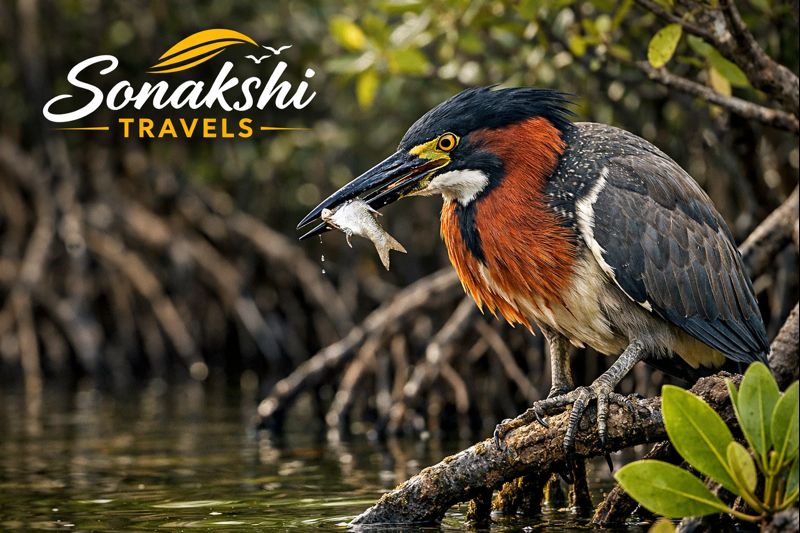
The mangrove forests of the Sundarbans represent one of the most extraordinary natural landscapes on Earth. Spread across the delta formed by the Ganga, Brahmaputra, and Meghna rivers, this vast ecosystem is not merely a destination but a living, breathing world shaped by tides, salinity, and centuries of ecological balance. To truly understand and appreciate this unique environment, one must experience it through a professionally guided Sundarban tour, where expert knowledge, responsible travel practices, and deep respect for nature come together. Such a journey allows travelers to discover the magic of mangroves in a way that is informed, immersive, and profoundly meaningful.
Understanding the Sundarbans: A Living Mangrove Ecosystem
The Sundarbans is the largest contiguous mangrove forest in the world, recognized globally for its ecological significance. Mangroves are salt-tolerant trees and shrubs that thrive in intertidal zones, forming dense forests along riverbanks and coastal regions. In the Sundarbans, these mangroves act as natural guardians, protecting inland areas from cyclones, storm surges, and erosion while supporting an intricate web of life.
What makes this region exceptional is the dynamic interaction between land and water. Twice daily, tidal waters flow through an extensive network of creeks, rivers, and estuaries, reshaping the landscape continuously. A professionally guided Sundarban tour helps visitors understand these natural rhythms and the vital role mangroves play in sustaining biodiversity and human livelihoods alike.
Why Mangroves Matter to the Planet
Mangroves are among the most productive ecosystems on Earth. They serve as carbon sinks, sequestering large amounts of carbon dioxide and helping mitigate climate change. Their complex root systems provide breeding grounds for fish, crustaceans, and mollusks, many of which support regional fisheries. In the Sundarbans, mangroves are also deeply intertwined with local culture, folklore, and traditional livelihoods such as honey collection and fishing.
Scientific studies and conservation initiatives supported by government bodies highlight the global importance of this region. Official resources from the West Bengal Forest Department provide detailed insights into conservation strategies, wildlife protection measures, and sustainable tourism policies implemented in the Sundarbans.
The Role of Professional Guidance in a Sundarban Tour
Professionally Guided Sundarban Tour
Exploring the Sundarbans without proper guidance can limit understanding and, in some cases, pose safety risks. The terrain is complex, the waterways are ever-changing, and wildlife encounters require experience and awareness. A professionally guided Sundarban tour ensures that visitors navigate this environment responsibly while gaining accurate, research-based knowledge about the region.
Professional guides are trained to interpret natural signs, identify flora and fauna, and explain ecological processes in a clear and engaging manner. Their expertise transforms a simple boat ride into an educational journey through one of the world’s most fascinating ecosystems.
Expert Knowledge and Interpretive Storytelling
One of the defining features of a guided tour is interpretive storytelling. Guides do not merely point out trees or animals; they explain how mangroves adapt to saline conditions, how tidal patterns influence wildlife movement, and how local communities coexist with nature. This layered understanding allows travelers to connect intellectually and emotionally with the landscape.
Through such guided interpretation, visitors gain a deeper appreciation of why the Sundarbans has earned global recognition, including its listing as a UNESCO World Heritage Site. For background context and historical perspective, the Sundarbans Wikipedia resource offers a comprehensive overview of the region’s geography, history, and biodiversity.
Navigating the Mangrove Waterways: A Journey by Boat by Professionally Guided Sundarban Tour
The primary mode of exploration in the Sundarbans is by boat. Gliding silently through narrow creeks bordered by arching mangrove roots is an experience unlike any other. A professionally guided Sundarban tour carefully plans these boat safaris to coincide with favorable tidal conditions, maximizing opportunities for wildlife observation while ensuring safety.
As the boat moves through the waterways, travelers witness a constantly changing panorama. Sunlight filters through dense foliage, reflections ripple across the water, and the calls of birds echo through the forest. This slow-paced journey allows visitors to absorb the subtle beauty of the mangrove ecosystem.
Interpreting Wildlife Sightings Responsibly
The Sundarbans is home to an impressive array of wildlife, including spotted deer, estuarine crocodiles, monitor lizards, and a remarkable diversity of bird species. While the elusive Royal Bengal Tiger captures global attention, a guided tour emphasizes the broader ecological community that sustains the forest.
Professional guides are trained to observe wildlife ethically, maintaining safe distances and minimizing disturbance. They also explain animal behavior, habitat preferences, and conservation challenges, helping travelers understand that every sighting—whether of a bird, crab, or reptile—contributes to the ecological narrative of the Sundarbans.
Cultural Dimensions of a Professionally Guided Sundarban Tour
The magic of mangroves is not limited to natural beauty alone. The Sundarbans is also a cultural landscape shaped by centuries of human adaptation to a challenging environment. Villages scattered along the forest fringe reflect a way of life deeply connected to rivers, tides, and forests.
A professionally guided Sundarban tour often includes opportunities to learn about local traditions, folklore, and belief systems. Stories of Bonbibi, the forest deity revered by both Hindus and Muslims, reveal how spiritual beliefs promote respect for nature and coexistence with wildlife.
Community Knowledge and Sustainable Livelihoods
by Professionally Guided Sundarban Tour
Local communities possess invaluable ecological knowledge passed down through generations. Guides often draw upon this indigenous understanding to explain seasonal changes, fishing practices, and resource management techniques. This perspective highlights the importance of sustainable livelihoods in conservation efforts.
Responsible tour operations ensure that tourism benefits local communities without compromising ecological integrity. By choosing a guided experience, travelers contribute indirectly to conservation-oriented employment and awareness.
Seasonal Variations and Their Ecological Significance
The Sundarbans changes character with the seasons. Each period offers distinct ecological experiences, and professional guidance is essential to interpret these variations accurately. From winter’s migratory birds to the lush monsoon landscape, every season reveals a different aspect of mangrove magic.
Guides help travelers understand how salinity levels, water flow, and vegetation respond to seasonal shifts. This knowledge enriches the travel experience and underscores the resilience of mangrove ecosystems.
Best Time to Experience the Mangrove Wilderness
While the Sundarbans can be visited year-round, the cooler months are particularly favorable for exploration. Comfortable temperatures and increased wildlife visibility make this period ideal for extended boat safaris and nature interpretation. A well-planned Sundarban Tour during this time ensures optimal conditions for learning and observation.
Conservation Education Through Guided Travel
One of the most significant benefits of a professionally guided Sundarban tour is conservation education. By explaining the threats facing mangrove ecosystems—such as climate change, rising sea levels, and human pressure—guides foster awareness and responsibility among travelers.
This educational component transforms tourism into a tool for conservation advocacy. Visitors leave with a clearer understanding of why mangroves must be protected and how informed choices can support long-term sustainability.
Climate Change and the Future of the Sundarbans
The Sundarbans is particularly vulnerable to climate change impacts. Rising sea levels and increased cyclone intensity pose significant challenges to both ecosystems and communities. Professional guides contextualize these issues within global environmental trends, helping travelers grasp the broader implications of local changes.
Such insights add depth to the travel experience, reinforcing the idea that a Sundarban Tour is not merely a leisure activity but an opportunity to engage with pressing environmental realities.
Research-Based Interpretation of Mangrove Biodiversity
Professionally Guided Sundarban Tour
The biodiversity of the Sundarbans has been the subject of extensive scientific research. From plant physiology to animal behavior, studies continue to reveal the complexity of this ecosystem. Professionally guided tours often incorporate findings from credible research, presenting information in an accessible yet accurate manner.
This research-based interpretation ensures that travelers receive reliable knowledge rather than myths or oversimplified narratives. It also enhances appreciation for ongoing conservation science and monitoring efforts.
Flora of the Mangrove Forest
Mangrove vegetation in the Sundarbans includes species uniquely adapted to saline and waterlogged conditions. Pneumatophores, stilt roots, and salt-excreting leaves are among the remarkable adaptations explained during guided walks and boat safaris. Understanding these features deepens respect for the resilience and ingenuity of nature.
The Transformative Value of a Guided Sundarban Experience
Travel has the power to transform perspectives, and nowhere is this more evident than in the Sundarbans. A professionally guided Sundarban tour offers more than scenic beauty; it provides context, meaning, and connection. Travelers emerge with a nuanced understanding of mangroves as living systems essential to planetary health.
By engaging with expert guides, visitors move beyond surface-level observation to meaningful learning. This transformation is at the heart of discovering the magic of mangroves.
Why Choose a Professionally Guided Sundarban Tour
Choosing a guided experience ensures safety, authenticity, and depth. It aligns tourism with conservation goals and supports responsible travel practices. For those seeking an enriching and educational journey, a professionally curated Sundarban Tour represents the most rewarding way to explore this extraordinary landscape.
Discovering the True Magic of Mangroves
The magic of mangroves lies in their complexity, resilience, and quiet beauty. Discovering this magic requires more than casual sightseeing; it demands informed exploration guided by expertise and respect. A professionally guided Sundarban tour bridges the gap between curiosity and understanding, offering travelers a rare opportunity to engage deeply with one of the world’s most remarkable ecosystems.
From ecological insights and cultural connections to conservation awareness, such a journey leaves a lasting impression. In discovering the mangroves of the Sundarbans through professional guidance, travelers not only witness natural wonder but also become part of a broader narrative of preservation and responsible exploration.