Updated: 1 March 2026
Important Safety Tips for a Happy and Safe Stay on Your Sundarban Tour
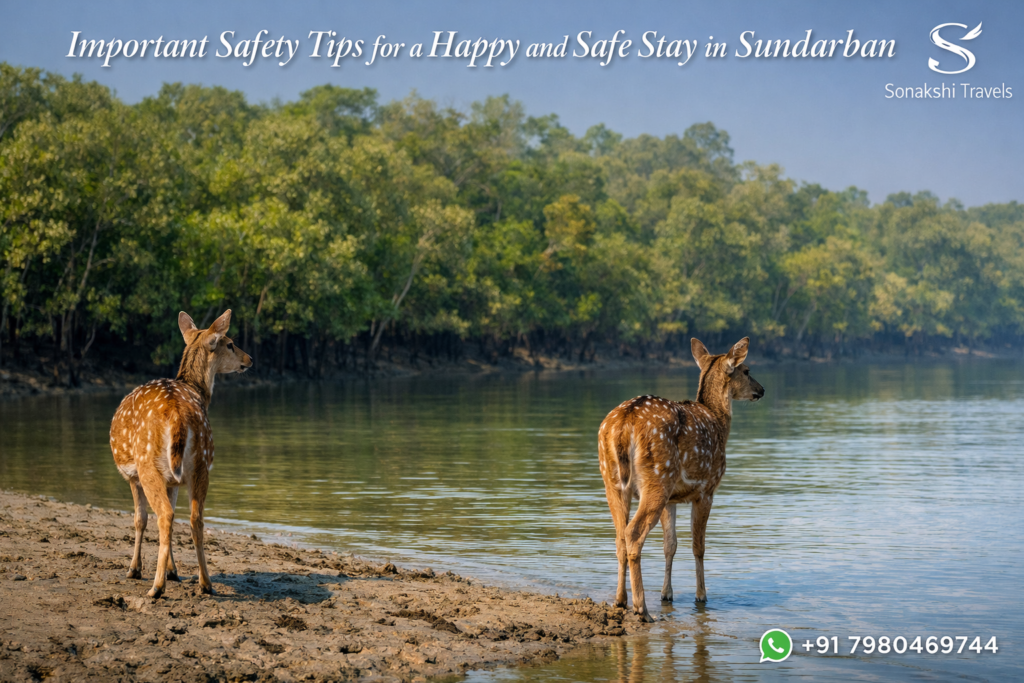
The Sundarban is not a conventional holiday landscape. It is a living delta shaped by tidal movement, dense mangrove growth, shifting mudbanks, and protected wildlife zones. Many first-time visitors begin by reading an area-specific overview on Sundarban Travel so they understand why safety in this setting is not a personal preference, but a structured part of responsible travel.
This guide focuses on practical, research-led safety measures that directly influence physical comfort, health stability, environmental responsibility, and situational awareness during your stay. The goal is simple: reduce preventable risk while preserving the calm, immersive quality that makes a well-managed Sundarban tour feel secure and meaningful.
Health Preparedness: Managing Risk Before It Begins
Remote ecological zones often have limited medical access. In the Sundarban region, healthcare facilities are not always immediately reachable from river routes or forest entry points. This reality makes pre-trip health planning essential, especially when travel schedules depend on tidal movement and operational permissions.
Personal Medication Responsibility
Visitors with chronic conditions such as hypertension, diabetes, asthma, or allergies should carry an adequate supply of prescribed medication for the entire duration of their stay, including buffer days. In managed travel plans—particularly longer formats such as a 1 night and 2 days Sundarban tour—route changes or delayed crossings can extend time away from pharmacies and clinics.
First-Aid and Minor Injury Management
Minor cuts, insect bites, or mild digestive discomfort are common in humid outdoor environments. A compact first-aid kit should include antiseptic solution, sterile gauze, adhesive bandages, oral rehydration salts, anti-diarrheal tablets, antihistamines, and paracetamol. These supplies are not excessive; they help you manage small issues early, before they affect alertness or mobility.
Hydration and Heat Stress Prevention
Humidity increases fluid loss even when sweating is not obvious. Mild dehydration often begins as tiredness and reduced concentration, which can compromise balance on a moving boat or judgment on uneven ground. Carry a reusable water bottle, drink small amounts at steady intervals, and consider electrolyte support during long outdoor exposure to maintain stable energy and clear thinking.
Insect Protection: Preventing Avoidable Discomfort
Mangrove ecosystems support diverse insect populations. While most insects are harmless, repeated bites can cause skin irritation, allergic reactions, and sleep disturbance, which then reduces daytime attentiveness. Preventive protection is therefore a comfort measure and a safety measure.
Use of Effective Repellents
Dermatologically approved repellents containing DEET or picaridin have strong evidence for reducing mosquito bites when used correctly. Plant-based options like citronella may help for short exposures, but they often require more frequent reapplication. In windy river conditions, creams or roll-ons provide more controlled coverage than sprays.
Clothing as a Protective Barrier
Full-sleeved shirts and full-length trousers create a consistent barrier during dusk and early morning, when biting insects tend to be more active. Light-colored fabrics make it easier to notice insects on clothing. Keep sleeping areas netted and doors closed after sunset, even if the room feels warm, to prevent night-time exposure that can disrupt rest.
Appropriate Clothing: Functional Protection Over Style
Clothing decisions shape comfort, skin protection, and body temperature regulation. Improper fabric choices can trap moisture and heat, increasing irritation and fatigue. In a landscape where small discomfort can reduce attention, clothing becomes a practical tool rather than a style choice.
Breathable Fabrics
Natural fabrics such as cotton and linen allow airflow and reduce sweat retention. Synthetic materials often hold heat, leading to sticky discomfort, especially during long hours on the water. Loose-fitting garments reduce friction and make movement easier on boat decks and narrow walking paths.
Sun Protection Strategy
Water surfaces reflect light upward, which can increase eye strain and skin exposure even when the sun feels mild. Long sleeves, a wide-brimmed hat, and UV-protective sunglasses reduce risk of sunburn and headaches. Polarized lenses are especially useful because they reduce glare and improve visual clarity, helping you notice wet patches and uneven surfaces more quickly.
Footwear Selection: Stability in Unpredictable Terrain
The terrain within delta regions can shift between firm soil, wooden boat decks, and muddy patches. Improper footwear increases the likelihood of slips and minor injuries, and even small falls can create complications in remote conditions.
High-Grip Soles
Shoes with textured rubber soles provide better traction on damp surfaces. Avoid smooth-bottom footwear that loses grip on wet wood or mud. Sandals and open slippers may feel convenient, but they reduce stability and expose feet to abrasions and insect bites.
Moisture Control
Footwear with breathable inner lining prevents prolonged moisture retention, which can contribute to fungal irritation in humid environments. Carrying an extra pair of socks helps maintain comfort after unexpected splashes or long hours of walking. If your plan involves extended, less crowded movement windows often associated with a private, luxury-style Sundarban tour, stable footwear becomes even more important because more time may be spent on decks, jetties, and natural walking surfaces.
Boat Safety Discipline: Awareness on Water
Boat journeys form the core of movement within the Sundarban delta. Even when vessels follow safety norms, passenger behavior still determines everyday risk. A calm river can change quickly with wake, currents, or sudden maneuvers, so routine discipline matters.
Life Jacket Compliance
Wearing a life jacket is a basic precaution that should be treated as standard practice, not an emergency measure. It must fit properly and remain secured throughout movement on open water. Removing it early increases risk during unexpected balance shifts or sudden stops.
Movement Control
Avoid standing abruptly, leaning over railings, or crowding on one side of the boat. These actions affect weight distribution and increase the chance of a slip. Remaining seated while the boat is moving reduces preventable injuries and improves stability for everyone on board.
Device Protection
Waterproof pouches or dry bags protect mobile phones, cameras, and documents from splashes. Electronics dropped into tidal water are rarely recoverable due to depth and currents. Keeping valuables secured also reduces distraction, helping you stay attentive to steps and surroundings.
Guided Conduct: Respecting Ecological Authority
The Sundarban is a protected reserve with regulated entry points. Local guides are trained in wildlife behavior, tidal timing, and safety compliance. Their instructions are not routine formalities; they reflect real operational knowledge about risk, timing, and permitted movement.
Path Discipline
Straying from designated paths increases the risk of accidental wildlife encounters and unstable ground exposure. Mangrove roots often conceal soft mud pockets that appear firm on the surface. Staying within guided routes also protects sensitive habitats from unnecessary disturbance.
Wildlife Distance
Maintaining safe distance from animals reduces stress reactions and helps prevent defensive behavior. Loud conversations, sudden movement, and flash photography can disrupt wildlife routines. Controlled behavior improves safety and supports the basic ethics expected within a regulated organized Sundarban tour packages where group discipline is part of the experience.
Community Sensitivity
Photographing local residents without consent is inappropriate and can create tension. Respectful interaction protects visitors as well, because social discomfort can distract from practical awareness. A simple request for permission, combined with polite distance, maintains dignity and avoids misunderstanding.
Digital Disconnection and Psychological Readiness
Network connectivity may be limited in many stretches of river and forest. This is not a technical inconvenience; it is a structural reality of remote mangrove regions. Planning for it improves safety and reduces avoidable anxiety.
Communication Planning
Inform close contacts of your travel schedule before departure. Download offline maps and keep digital copies of identification and essential documents on your phone. Carry a written list of emergency contacts in case your device battery drains or becomes wet.
Mental Adjustment
Reduced connectivity can cause discomfort for travelers used to constant updates, but accepting limited access often improves observation and calm. When the mind is not focused on signals and notifications, it becomes easier to notice footing, listen to instructions, and respond quickly to changing conditions around water and mudflats.
Environmental Responsibility as Safety Practice
Eco-sensitive conduct protects visitors and the habitat at the same time. In a fragile delta system, careless behavior can create risks that return to the traveler through unsafe surroundings, disturbance, or operational restrictions.
Waste Management
Carry back non-biodegradable waste rather than leaving it behind. Plastic debris can enter water channels and obstruct wildlife movement, while also creating hazards on boat decks and footpaths. A small personal waste pouch prevents littering without inconvenience.
Fire and Smoke Control
Avoid smoking in forested areas and on boats. Dry organic debris can ignite quickly, and smoke disturbs wildlife behavior patterns. Fire-related accidents in remote zones can escalate rapidly because response access is limited.
Situational Awareness: The Core Safety Principle
Ultimately, safety in the Sundarban depends on sustained awareness. Observing surroundings, listening carefully to instructions, walking with companions, and remaining attentive to footing significantly reduces avoidable risk. Treat every transition—boat to jetty, jetty to village path, path to deck—as a moment that deserves attention.
Children should remain supervised at all times, particularly near railings and river edges. Mudflats may look stable but can shift under weight. Quiet observation improves both safety and experience, because it keeps the senses open to subtle signs such as slippery patches, sudden movement, or changing river flow.
Safety as the Foundation of Meaningful Travel
A visit to the Sundarban is a privilege that comes with responsibility. The ecosystem operates on natural rhythms that demand respect, and small choices—what you wear, how you move, how you listen, and how you manage waste—shape the safety of your entire stay. Preparedness is not an anxious mindset; it is a practical method for protecting comfort and reducing preventable risk.
Safety is not a restriction on experience. It is the structure that allows the landscape to be enjoyed without unnecessary disruption. When approached with calm discipline and informed readiness, time spent in the delta can remain serene, secure, and deeply rewarding within the standards expected of a high-comfort Sundarban private tour.