Updated Date: 19 February 2026
🛶 Family-Friendly Sundarban Tour Packages: Fun and Safety for All Ages
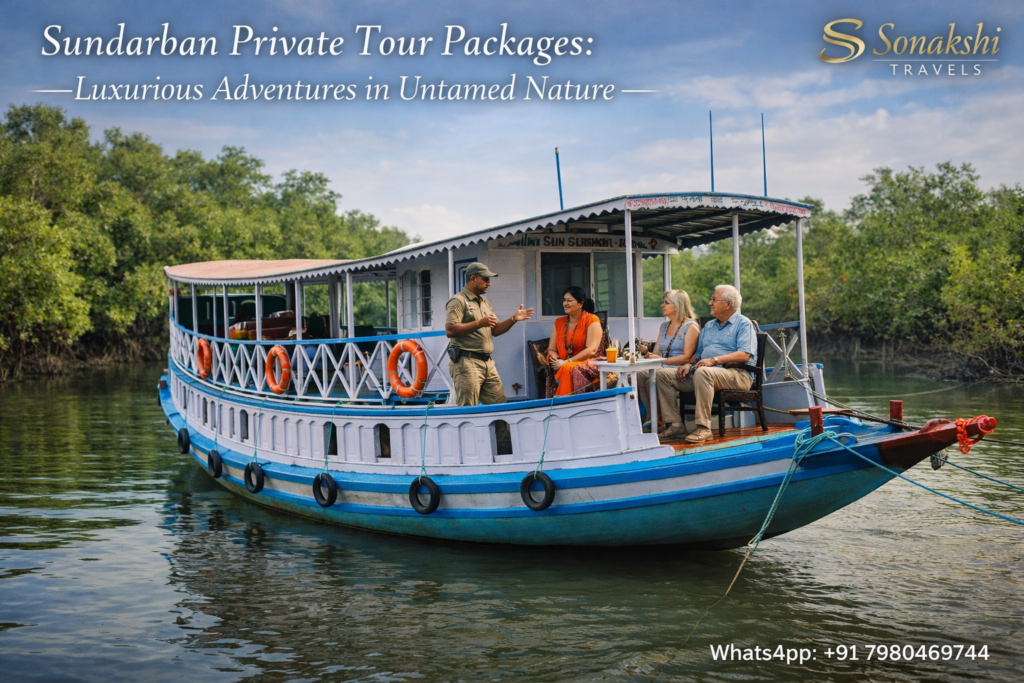
Planning a multi-generational holiday requires more than selecting an attractive destination. It calls for thoughtful design, operational precision, and a practical understanding of how different age groups experience travel. Families exploring the region through well-curated Sundarban Travel resources often discover that the most memorable journeys are those where enjoyment and safety are treated as equal priorities.
A well-structured family-friendly tour package must balance excitement with security, education with recreation, and exploration with comfort. When curated responsibly, such travel becomes a shared learning experience: children gain exposure to nature-based knowledge, parents enjoy a well-managed program, and seniors participate with confidence and ease.
Within a fragile mangrove ecosystem, safety and structure become foundational elements rather than optional features. Family-oriented travel in this landscape succeeds only when it integrates ecological sensitivity, regulated movement, trained personnel, and schedules that consider energy levels across ages. The objective is not simply to “see” nature, but to experience it in a way that is secure, enriching, and appropriate for varied physical capacities.
Designing Travel for Multiple Generations
Understanding Age-Specific Needs
Children, adults, and elderly travelers engage with environments differently. Young children benefit from structured stimulation, frequent rest intervals, and hygienic food routines. Teenagers typically respond best to discovery-driven learning and interactive interpretation. Adults often value predictability and comfort, while seniors prioritize accessibility, medical readiness, and reduced physical strain.
A family-focused program therefore cannot be rigid. It must incorporate adaptive pacing, manageable activity durations, and staff trained to notice early signs of fatigue or discomfort. Practical details such as stable seating, shaded rest points, and short walking segments can determine whether the experience feels effortless or exhausting—especially for toddlers and older family members.
Balancing Excitement with Stability
Wildlife landscapes naturally create curiosity and anticipation. Yet children may respond unpredictably to unfamiliar sounds, engine hum, or the shifting rhythm of water travel. Structured guidance helps convert uncertainty into interest. Calm, well-briefed naturalists who explain what to expect—boat movement, safety boundaries, and quiet observation norms—build psychological reassurance without diminishing wonder.
Educational Value as a Core Component
Experiential Environmental Learning
For families, one of the strongest advantages lies in educational depth. Mangrove ecosystems demonstrate interdependence in visible form—tidal rhythms, root adaptations, bird movement, and the logic of habitat zones. When interpreted by trained guides, these become understandable scientific lessons rather than abstract classroom ideas, offering a meaningful extension of what children learn through books.
Children observing saline-resistant roots or listening to explanations about tidal ecology gain direct exposure to environmental science. Conservation narratives—when delivered carefully—encourage ecological empathy without sensationalism. Families return not only with photographs, but with a clearer understanding of why regulated access and responsible behavior matter in protected landscapes.
Interactive Learning Methods
Effective family packages integrate short interpretive sessions, informal question windows, and simple visual demonstrations. Illustrations, guided identification of birds, and age-appropriate stories about animal behavior keep younger participants engaged. Learning becomes conversational, which helps children retain information and encourages teenagers to ask deeper questions.
Even community observation contributes to knowledge-building. When families watch sustainable fishing practices or hear about traditional honey collection, children learn how livelihoods can adapt to ecological boundaries—an important lesson in coexistence and resource responsibility.
Structured Safety Architecture
Operational Safeguards
Safety in family travel is not defined by visible equipment alone; it is shaped by procedural discipline. Vessels used for regulated eco-tourism must follow routine inspections, maintain trained crew members, and carry safety gear appropriate to passenger capacity. Life jackets in varied sizes are essential, particularly when children require secure fittings rather than generic adult equipment.
Clear embarkation and disembarkation protocols minimize risk. Staff assistance for elderly passengers reduces slip hazards on jetties and gangways. Controlled navigation speed and respectful viewing distances support both ecological balance and human security, especially when families include children who may become excited during wildlife sightings.
Medical Preparedness and Response Planning
Families traveling with seniors or young children need confidence that medical contingencies are anticipated. First-aid kits should include pediatric basics alongside adult essentials, and teams must know how to respond to minor injuries, dehydration risk, or travel fatigue. Reliable communication channels and access to local medical consultation create the safety net that makes families feel secure throughout the journey.
Equally important is operational flexibility. If a child becomes tired or a senior member needs a slower pace, the program should allow small adjustments without disrupting the group. Many families prefer a balanced duration for comfort and continuity, which is why a thoughtfully planned 2 nights and 3 days Sundarban tour package often feels more manageable than compressed schedules, particularly when traveling across generations.
Comfort and Hygiene Standards
Accommodation Considerations
Rest quality directly shapes how children and seniors cope with daily activities. Clean, well-ventilated rooms with attached washrooms support privacy and comfort, while dependable water supply and functional sanitation reduce stress for families traveling with toddlers. Good rest is not a luxury in multi-generational travel; it is a practical requirement.
Room allocation also influences accessibility. Seniors often benefit from rooms closer to dining areas or with easy ground-level access, reducing unnecessary exertion. Such careful placement may appear minor, yet it significantly improves confidence and mobility for older travelers.
Food Safety and Dietary Adaptation
Hygienic meal preparation becomes central when traveling with children. Balanced menus that allow mild spice levels, vegetarian preferences, and child-friendly portions reduce dietary discomfort. Safe drinking water, seasonal fruits, and simple snacks help stabilize energy levels during outdoor periods, preventing the fatigue that often triggers irritability in younger travelers.
For families with medical dietary requirements, advance customization matters. A well-managed provider can adapt meal formats without complicating operations, ensuring that comfort remains consistent across ages and health needs.
Psychological Security in Natural Settings
Children often mirror parental reactions when entering unfamiliar environments. When logistics run smoothly—timely meals, predictable schedules, calm briefings—the entire family perceives the surroundings as secure. Stable operations reduce anxiety and encourage curiosity, which is essential for children to engage with nature rather than fear it.
Structured evening programs, such as storytelling or culturally rooted performances, also support emotional grounding. They offer reflective closure after exploratory hours, giving children time to process what they observed while allowing seniors to participate in relaxed, seated settings.
Inclusive Engagement for Seniors
Family-oriented packages must avoid unintentionally excluding elderly members by prioritizing only high-energy activities. Thoughtful seating arrangements, shaded observation points, and optional short cycles enable seniors to remain active participants without physical strain. Inclusion is achieved through pacing, not through reducing the experience to passive observation.
Staff assistance during walking segments and availability of support aids—such as wheelchairs on request—transform what might otherwise feel demanding into a dignified, manageable journey. For families who prefer enhanced comfort, controlled pacing, and higher personalization standards, a carefully managed private luxury experience in the Sundarbans can provide additional ease without compromising the educational value of the program.
Responsible Wildlife Observation with Children
Introducing children to wildlife observation requires structured guidance. Quiet behavior, waste-free habits, and respect for regulated zones should be explained clearly and repeated gently. When children understand the reason behind rules, compliance becomes cooperative rather than forced, which strengthens safety and ecological responsibility at the same time.
Families also benefit when wildlife viewing is framed as observation rather than pursuit. This approach reduces unrealistic expectations, avoids frustration, and promotes ethical behavior that children can carry into future travel experiences.
Cultural Immersion as Family Bonding
Shared cultural experiences—folk performances, local craft demonstrations, or interactive storytelling—strengthen intergenerational bonds. Seniors often connect deeply with traditional music, while children engage visually and through participation. These moments create a common memory space, which is one of the most valuable outcomes of family travel.
Cultural programming also provides context for how communities adapt to ecological realities. When families see cultural expressions shaped by rivers, tides, and livelihoods, they gain a deeper respect for resilience and sustainable living.
Coordination and Communication
Continuous communication between coordinators and families strengthens trust. Clear daily briefings, accessible contact points, and responsive support reduce confusion, particularly when children’s needs change quickly or seniors require assistance. Families who feel informed tend to remain calmer and more engaged throughout the program.
Coordination includes monitoring energy levels and adjusting the flow. Observant staff can anticipate fatigue, dehydration, or mobility stress before it escalates. Many of these operational disciplines are learned through structured planning models, which is why families comparing options often review a detailed complete package framework for Sundarban travel to understand what is included beyond basic sightseeing.
Long-Term Impact on Young Travelers
Family journeys into biodiverse environments often influence children’s perception of nature for years. Direct observation builds ecological empathy, while guided interpretation helps children understand why protection matters. When families discuss habitat responsibility in real time—during observation and reflection—learning becomes emotionally anchored rather than theoretical.
When travel is designed responsibly, it becomes formative rather than merely recreational. A well-managed program leaves children with enduring memories of respectful exploration, and it often shapes how they approach nature-based learning in the future.
Creating Meaningful Family Experiences
A truly family-friendly tour is defined not by activity volume, but by thoughtful integration of safety, comfort, education, and inclusion. It respects ecological boundaries while accommodating generational diversity. It maintains preparedness without weakening the sense of discovery that families seek from nature-focused travel.
When structured with care, such journeys allow children to explore responsibly, parents to relax confidently, and seniors to participate comfortably. The result is a cohesive experience in which nature becomes a shared narrative—observed with curiosity, approached with discipline, and remembered collectively.
In this balance of fun and safety lies the enduring value of a well-designed family-oriented Sundarban tour. Families who want a broader contextual understanding of how the region’s regulated experiences are organized often begin by reviewing an informative overview of the Sundarban tour structure and planning approach before finalizing what suits their age mix and comfort expectations.