Hilsa Beyond One Recipe: How Taste, Memory, River Culture, and Bengali Cooking Come Together in Many Beautiful Forms
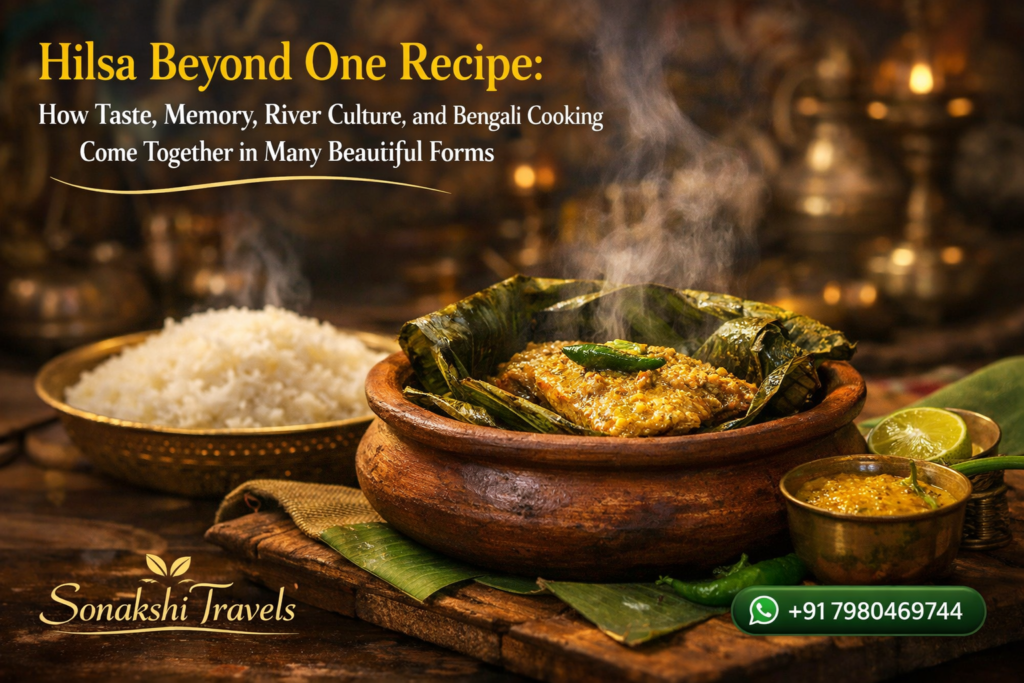
In Bengal, hilsa is not only a fish. It is a feeling, a season, a family memory, and a food tradition that carries the sound of rivers inside it. When people speak about hilsa, they do not speak only about taste. They speak about rain, wet markets, banana leaves, mustard paste, hot rice, old kitchens, and meals that bring everyone to the table a little earlier than usual. That is why hilsa has such a deep place in Bengali food culture. It is simple food in one sense, but it also carries emotion, pride, and identity.
What makes hilsa truly special is that it cannot be reduced to only one famous dish. The same fish can be fried, steamed, wrapped, cooked in mustard, or softened in yogurt, and each method creates a different experience. This does not mean the fish loses its character. Rather, it reveals how rich Bengali cooking really is. A single ingredient can hold many stories. One recipe may feel sharp and bold. Another may feel soft and gentle. One may remind people of festive lunch at home. Another may bring back the quiet joy of a rainy afternoon meal.
This is why the world of Bengali hilsa recipes is so meaningful. It is not about collecting random dishes. It is about understanding how cooking methods change mood, texture, smell, and memory. A plate of hilsa can be traditional, comforting, festive, or deeply personal. It can be light and delicate, or rich and powerful. It can be prepared in ways that keep the natural beauty of the fish in front, while also allowing mustard, banana leaf, yogurt, oil, and steam to shape the final taste.
To understand hilsa properly, one must look at it as a full food culture. The dish on the plate is only the final step. Behind it stand river life, local ingredients, household skill, and long practice passed from one generation to another. This is why hilsa remains one of the clearest examples of how food can hold both daily life and cultural depth together.
Why Hilsa Holds Such a Strong Place in Bengali Food Culture
The power of hilsa fish recipes comes from more than popularity. Hilsa is loved because it carries a natural richness of oil, a soft flesh, and a taste that feels complete even when cooked with a few simple ingredients. This quality allows it to work in many cooking styles without losing its identity. A fish with weaker character may disappear under spices or oil. Hilsa does not. It remains present. That is one reason why Bengali households have trusted it for so long.
There is also an emotional reason. Hilsa is tied to home life in a very direct way. Many people remember watching elders clean the fish carefully, separate the pieces with skill, and decide which cut should go into which dish. Different members of the family often had different favorites. Some loved the sharp warmth of mustard. Some wanted the clean beauty of steaming. Some waited for the crisp edge of a fried piece beside dal and rice. Because of this, hilsa became more than a recipe. It became part of shared family language.
Another reason is seasonal feeling. Hilsa is strongly linked with monsoon mood and river memory. Even when eaten in cities, it still seems to carry something of wet earth, cloudy skies, and moving water. This gives the dish a deeper life in the Bengali mind. It is not only eaten. It is welcomed. It often enters the meal with expectation.
That is why the study of hilsa must go beyond taste alone. It should include texture, method, aroma, and the cultural setting around the food. Only then can one understand why one fish can create so many beloved forms without feeling repetitive.
One Fish, Many Expressions: The Beauty of Cooking Method
The most striking thing about hilsa is the way different cooking styles draw out different sides of the same fish. This is where Bengali culinary wisdom becomes very clear. The goal is not to change hilsa into something else. The goal is to guide its natural richness in different directions.
For example, a simple fried preparation like ilish bhaja fried hilsa shows the direct and honest side of the fish. Frying gives a lightly crisp outer layer while keeping the inside soft and oily. It is often one of the purest ways to enjoy hilsa because the method does not hide the main ingredient. The fish stands almost alone, supported by salt, oil, and heat. In many homes, this kind of preparation is deeply comforting. It pairs easily with rice, lentils, and green chili, and turns a simple meal into something memorable.
But Bengali cooking does not stop at simplicity. Steaming brings another kind of beauty. A dish such as bhapa ilish authentic steamed hilsa recipe reflects a softer and more controlled style of cooking. Steam protects the fish. It keeps the flesh moist, allows the spices to settle gently, and creates a dish that feels elegant without becoming complicated. This method shows restraint. It trusts that hilsa does not need heavy treatment to become special.
Then there are methods that bring wrapping and aroma into the experience. In ilish paturi hilsa wrapped steamed in banana leaf, the banana leaf does not only hold the fish. It changes the feeling of the dish. It adds an earthy smell, keeps moisture inside, and turns opening the leaf into part of the pleasure. The act of serving becomes almost ceremonial. Food here is not only eaten. It is revealed.
These differences matter because they show how Bengali cuisine values method as much as ingredient. The same fish can be crisp, soft, wrapped, bold, or mellow, depending on what the cook wishes the meal to express.
The Role of Mustard, Yogurt, and Natural Pairing in Hilsa Cooking
If cooking method gives hilsa structure, then its classic pairings give it voice. Bengali cooking has long understood that some ingredients do not fight with hilsa. They speak with it. Among these, mustard stands in the first row. Its sharpness, warmth, and slight bitterness match the rich oil of hilsa in a way that feels complete. This is why shorshe ilish mustard hilsa recipe remains one of the strongest expressions of Bengali fish culture. It is bold, but it is not careless. When done well, the mustard does not overpower the fish. It lifts it.
The success of mustard with hilsa also shows something important about traditional cooking. Great recipes are often built on balance, not excess. Hilsa already has depth. Mustard adds edge. Green chili adds brightness. Salt brings everything forward. A little oil carries flavor through the sauce. Nothing here is random. Each part has a purpose.
Yogurt creates a very different result. In a dish like doi ilish hilsa cooked in yogurt sauce, the fish enters a softer world. Yogurt gives mild body, slight tang, and a smoother texture. It reduces sharpness and creates a gentler finish. This makes the dish feel calm and comforting. Where mustard can feel direct and spirited, yogurt feels rounded and graceful. Both are traditional, but they speak in different tones.
This contrast is important because it proves that hilsa is not trapped inside one flavor profile. It can support heat and pungency, but it can also carry softness and cream-like smoothness. That range is one of the reasons why the fish remains central in Bengali homes. It suits different moods, different family tastes, and different meal settings.
These classic pairings also teach a larger lesson about food heritage. A recipe survives for generations when it matches the ingredient naturally. Mustard and yogurt continue to return in hilsa cooking because they have already passed the test of time, memory, and repeated household practice.
Texture, Aroma, and the Hidden Art of a Good Hilsa Meal
People often speak about flavor first, but a good hilsa meal depends just as much on texture and aroma. Hilsa is loved partly because of the way it feels when eaten. The flesh is soft, rich, and delicate. It does not behave like a dry fish that needs strong handling. Because of this, the cooking method must respect the body of the fish.
Frying creates surface contrast. Steaming protects tenderness. Wrapping in banana leaf builds a quiet layer of aroma. Cooking in yogurt creates smoothness. Mustard creates a paste-like coating that clings to the fish and rice. Each method changes not only taste, but also the physical experience of the meal.
Aroma is equally important. Many traditional Bengali dishes are remembered first by smell. The hot oil from fried hilsa, the warm mustard rising from a steamed pot, the leaf scent released from paturi, or the mellow richness of yogurt sauce can all shape appetite before the first bite is taken. In this way, hilsa cooking becomes a full sensory practice. It engages smell, sight, touch, and memory together.
This is one reason why hilsa cannot be understood well through recipe names alone. One must think about what kind of meal each dish creates. Is it meant to be bold and striking? Is it meant to comfort? Is it meant to feel festive? Is it meant to honor simplicity? These questions matter because Bengali cooking is not only about feeding hunger. It is about creating the right feeling around the meal.
Rice also plays a silent but important role here. Hilsa dishes are rarely meant to stand alone. The fish, sauce, oil, and aroma often need plain rice to complete them. Rice gives space. It absorbs mustard, yogurt, or fish oil. It allows each bite to feel balanced. In this way, the supporting elements of the meal are also part of the art.
What These Hilsa Dishes Reveal About Tradition, Home, and Food Identity
When one looks at the full range of traditional hilsa preparations, a deeper truth appears. These dishes are not only different recipes for the same fish. They are different ways of expressing Bengali home life. One house may prefer frying first and serving the oil with rice. Another may value mustard above all. Another may prepare paturi for special guests. Another may choose yogurt-based hilsa for a softer family lunch. The recipes vary, but the emotional center remains the same.
This is why traditional Bengali food remains strong even in changing times. It is flexible without losing identity. It allows variation while still holding on to a clear cultural core. Hilsa is one of the best examples of this balance. It welcomes interpretation, but it also asks for respect. A cook may adjust spice level, thickness, or heat, but the spirit of the dish must remain true to the fish.
These recipes also show that food knowledge in Bengal has long been highly skilled, even when expressed through very simple cooking language. Knowing when to fry lightly, when to steam fully, how much mustard to use, how to wrap in banana leaf, and how to keep yogurt from becoming too heavy are all marks of practice. They show understanding, patience, and attention to ingredient character.
Such food traditions matter today because they protect more than taste. They protect memory. They protect ways of cooking that developed around local ingredients and local life. They also remind modern readers that not every great dish depends on complexity. Often, the strongest dishes come from a clear bond between ingredient, place, and habit.
Why Hilsa Still Matters in the Modern Food Conversation
In the present age, people often search for food through labels like famous, authentic, viral, or festive. Yet hilsa stands apart from such temporary language. Its value does not depend on trend. It remains important because it connects taste with place and food with memory. The fish still matters because it can carry both elegance and familiarity at the same time.
For the modern reader, hilsa offers an important lesson. A food tradition becomes lasting not when it stays frozen, but when it continues to feel alive. Hilsa does this beautifully. Fried forms, steamed forms, mustard-based forms, yogurt-based forms, and leaf-wrapped forms all remain meaningful because they answer different emotional needs while staying rooted in the same cultural truth.
This is also why writing about hilsa requires more than listing ingredients. One must look at why people return to it again and again. They return because the fish allows personal choice within tradition. It can suit a weekday meal, a monsoon lunch, a family gathering, or a special occasion. It can feel humble or rich, depending on how it is prepared. Few foods hold that kind of range with such grace.
As food writing becomes more global and more commercial, hilsa remains a reminder that the strongest dishes are often local at heart. They belong to the people who cook them, serve them, and remember them. Their meaning grows through repetition, not performance. Their power comes from how naturally they live in the culture.
In the end, hilsa is not great because one recipe made it famous. Hilsa is great because many recipes reveal many sides of its beauty. Frying shows its honest richness. Steaming protects its softness. Mustard sharpens its voice. Yogurt softens its edges. Banana leaf adds depth and ritual. Together, these forms create a complete picture of Bengali hilsa cuisine—a cuisine shaped by river memory, cooking intelligence, and emotional warmth. To understand hilsa, then, is to understand how one ingredient can hold taste, tradition, and identity all at once.