How to Choose and Plan a Meaningful Sundarban Tour with Comfort, Safety, Timing, Trust, and Real Travel Value
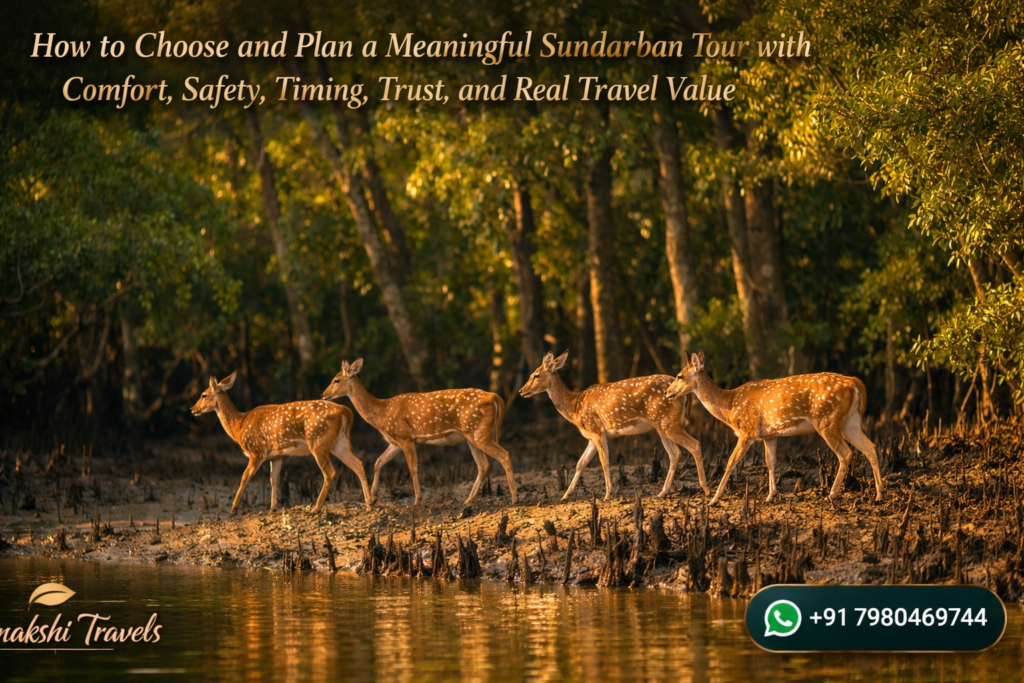
A journey to the Sundarban is never only about moving from one place to another. It is also about entering a landscape that feels alive in a very different way. The rivers change with the tide. The forests do not open themselves all at once. The villages, watchtowers, mudbanks, and narrow creeks together create a travel experience that is quiet, deep, and full of feeling. Because of this, choosing the right Sundarban tour is not only about price or duration. It is about understanding what kind of journey you truly want.
Some travelers want peace. Some want wildlife and adventure. Some want privacy, comfort, and a more personal holiday. Others want a balanced package that gives them nature, local culture, safe travel, and good planning without stress. The real challenge is not whether the Sundarban is worth visiting. It is. The real question is how to choose the journey that fits your time, your comfort level, your budget, and your expectations.
A good Sundarban travel experience should feel clear from the beginning. It should help you understand what is included, what kind of stay you will get, how the safari part works, how much travel time is needed, and what kind of atmosphere you can expect. It should also make room for the emotional side of the journey, because the Sundarban is not a place that gives meaning only through sightseeing. It leaves an impression through silence, tide, climate, culture, and the feeling of being close to a rare natural world.
This is why many travelers today look for more than a basic package. They want a journey that combines planning with purpose, comfort with ecology, and adventure with trust. That is also why subjects such as package depth, timing, safety, booking clarity, stay choice, and private comfort have become central to choosing the right tour. A thoughtful reading of how to choose the right Sundarban travel experience begins exactly at this point: not with hurry, but with clarity.
The Sundarban Is Not Just a Destination but a Living Experience
The first step in choosing the right journey is understanding the nature of the place itself. The Sundarban is not like a city holiday, a hill station trip, or a simple resort break. It is a tidal forest region where water, weather, and forest life shape the pace of the experience. That means the quality of your trip depends not only on the beauty of the place but also on how well the tour is designed.
A meaningful Sundarban visit often brings together several layers at once. There is the natural layer: creeks, mangroves, birds, shifting light, and the chance of seeing wildlife. There is the human layer: village life, local food, river culture, and stories shaped by the forest. Then there is the emotional layer: the peace of boat travel, the silence of open water, and the rare feeling of being in a landscape that still moves by the rule of nature.
This is why many travelers are drawn not only to the safari side of the region but also to its atmosphere. A more reflective view of the delta, such as the one suggested in the living poetry of a Sundarban visit, reminds us that this journey is not only about seeing things. It is also about feeling the rhythm of climate, local life, and the changing mood of the rivers.
For this reason, the best article or package description is not the one that only promises excitement. It is the one that tells the traveler what kind of overall experience is being offered. Is it fast and packed? Is it slow and peaceful? Is it adventure-heavy? Is it designed for families, couples, or private groups? These questions matter because the Sundarban gives its best to travelers who arrive with the right expectations.
Planning Matters Because Time, Route, and Package Depth Change the Journey
Many people think a tour is good if it includes transport, food, and a few sightseeing points. But in a place like the Sundarban, tour planning must go deeper than that. A weak plan can make the trip feel rushed, confusing, or tiring. A good plan can make the same region feel rich, calm, and well-balanced.
One of the biggest planning questions is duration. A short trip may be enough for a basic introduction, but a deeper experience usually needs more time. Travel to the jetty, boat movement, forest permit timing, meals, check-in, and safari hours all affect what can actually be enjoyed. If the package is too short for the distance involved, the traveler may spend more time transferring than experiencing the place.
Another important point is package depth. A strong Sundarban tour package should not only list places. It should explain how the journey flows. Are wildlife viewing hours used properly? Is there enough time for rest? Is there any chance to enjoy the river without hurry? Does the trip include only movement, or does it also include moments of stillness and observation? A thoughtful discussion on this broader subject appears in how to choose the right Sundarban tour through planning, package depth, adventure, and time-smart travel.
The phrase “time-smart travel” is especially important here. In the Sundarban, smart travel does not mean doing the most things in the shortest time. It means using your available time in the most meaningful way. For one traveler, that may mean an active itinerary with long safari hours. For another, it may mean a more restful private boat journey with better accommodation and fewer unnecessary movements. Planning is successful only when it matches the traveler’s real aim.
This is why one should always look beyond surface-level promises. A package may sound exciting, but the true value lies in how well the timing, route, transport, and daily structure work together. When planning is clear, the whole journey becomes smoother, safer, and more satisfying.
Comfort, Safety, and Trust Are Not Luxury Extras but Core Travel Needs
Many travelers separate comfort from adventure, as if they must choose one and leave the other. In reality, on a Sundarban tour, comfort and safety are part of the experience itself. When transport is reliable, the stay is clean, the food is managed well, and the tour team is trustworthy, the traveler is more relaxed. That calmness allows deeper enjoyment of the forest and river environment.
Comfort does not always mean high luxury. It often means practical ease: a clean room, proper meals, clear pickup arrangements, safe boat conditions, transparent inclusions, and honest communication before booking. These things reduce uncertainty. They also protect the traveler from the common problem of mismatch between promise and delivery.
Trust becomes important at the booking stage. A well-planned journey should clearly explain what the guest is paying for. Hidden costs, vague safari descriptions, unclear transport details, and uncertain room categories create disappointment. Good travel operators build trust by making these points simple and direct. That is why ideas such as booking clarity and cost awareness deserve attention in any serious discussion of Sundarban travel.
Safety is equally important. In a natural region shaped by water and wildlife, careless planning should never be taken lightly. Guests should know whether the trip follows proper route planning, whether the team understands forest rules, and whether the structure of the package respects both guest comfort and local conditions. A practical and balanced way of thinking about these issues can also be seen in how to plan a meaningful Sundarban tour through safari, ecology, budget, comfort, and safety.
The deeper lesson is simple: comfort, safety, and trust are not separate boxes. They support one another. A trusted operator usually provides better clarity. Better clarity often leads to better preparation. Better preparation improves both comfort and safety. In the end, these qualities shape how free the traveler feels during the journey.
Budget and Value Should Be Judged by Experience Quality, Not by Price Alone
One of the most common mistakes in travel planning is to treat low cost as the same thing as good value. This is especially risky in a destination like the Sundarban. A cheaper package may look attractive at first, but if it reduces comfort, cuts time on important parts of the journey, or creates confusion in transport and stay quality, then the real value becomes weak.
True travel value is a combination of many things. It includes what kind of room you get, how well your meals are handled, how much time is spent on the boat, what kind of group size the tour allows, how clearly the itinerary is explained, and whether the full experience feels balanced. A guest who pays slightly more for better route design, cleaner accommodation, safer logistics, and more peace may actually receive much greater value.
This is why budget planning must be thoughtful. Travelers should ask: what am I getting for this price? Is the package crowded or well-managed? Is the route practical? Is the comfort level suitable for my family? Are there hidden add-ons? Does the journey leave room for actual enjoyment, or is it only a checklist tour? These questions help shift attention from the lowest price to the most meaningful return.
Budget also depends on travel style. Shared tours can work well for travelers who want economy and do not mind group structure. Private arrangements may cost more, but they offer greater control, less noise, better privacy, and a more personal pace. Families, couples, senior travelers, and guests who value quiet often find that a private plan gives better emotional and practical value, even if the booking amount is higher.
In this sense, the right budget choice is not the cheapest one. It is the one that matches the level of ease, depth, and experience you want from the journey.
Private Comfort, Peace, and Stay Choice Can Turn a Good Tour into a Memorable One
Not every traveler wants the same atmosphere. Some enjoy a social group setting. Others want stillness, privacy, and the freedom to move at their own pace. In the Sundarban, this difference matters a great deal because the mood of the destination is naturally calm. A private or more peaceful setup often allows that mood to be felt more fully.
Private Sundarban tour planning often focuses on details that change the quality of the journey in quiet but powerful ways. These include less crowding during travel, more flexible timing, better space for family interaction, and a stay environment that feels restful after long hours on the river. For couples or small groups, privacy also creates a stronger sense of connection with the landscape.
Stay choice plays a big role here. The right accommodation does more than provide a bed for the night. It shapes the evening mood of the trip, the quality of rest, and the emotional tone between safari hours. A peaceful stay near nature, with proper comfort and clean surroundings, helps the journey feel complete rather than merely functional.
This is where the relation between peace, private comfort, natural attractions, and overall value becomes especially clear. A calm setting can improve how travelers experience even ordinary moments such as sunrise tea, evening silence, or the return from a long boat ride. The same idea is thoughtfully explored in how to plan a meaningful Sundarban tour through peace, private comfort, natural attractions, stay choice, and travel value.
For many people, these so-called small comforts become the most lasting part of the trip. The memory of a peaceful river evening, a quiet stay, a smooth transfer, or an unhurried morning can remain stronger than any single sightseeing point. That is why choosing the right form of comfort is not a luxury decision alone. It is a decision about the kind of memory you want to build.
A Meaningful Sundarban Journey Comes from Balance, Not Excess
The best Sundarban trip is rarely the one that promises the most. It is usually the one that balances the journey well. Too much rush weakens the peace of the place. Too much focus on comfort alone may remove the forest feeling. Too much attention to budget can lower experience quality. Too much adventure without planning may reduce safety. The answer lies in balance.
A meaningful tour combines several values at once: time used wisely, comfort suited to the traveler, safety that builds confidence, trust that removes doubt, and enough emotional space to absorb the landscape. It also respects the nature of the Sundarban itself. This is not a destination that should be forced into a hurried travel pattern. It rewards those who allow room for observation, patience, and thoughtful design.
When travelers choose with care, the journey becomes richer. They do not only visit watchtowers or ride through creeks. They begin to understand why the region feels so different from ordinary tourism. The forest, climate, culture, and river rhythm start to connect. The package becomes more than a booking. It becomes a complete travel experience shaped by intention.
In the end, choosing the right journey means asking honest questions: What kind of pace do I want? How much comfort do I need? Do I prefer shared energy or private peace? Am I looking only for a trip, or for a deeper experience of nature and place? The answers to these questions lead toward the most suitable plan. And when the plan is right, the Sundarban does what it does best: it slowly opens, and leaves the traveler with something deeper than a holiday.