How to Plan a Meaningful Sundarban Tour Through Peace, Private Comfort, Natural Attractions, Stay Choice, and Travel Value
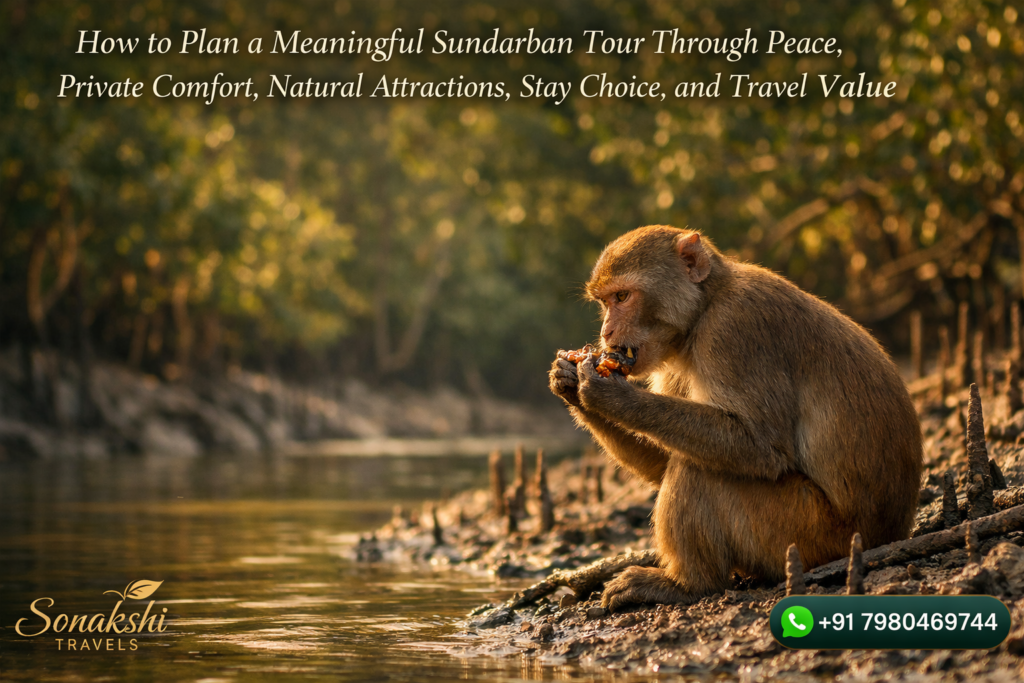
Some journeys are chosen for speed. Some are chosen for shopping, city lights, or busy sightseeing. But a journey to the Sundarban is usually chosen for a different reason. People come here because they want to step away from noise and enter a place where rivers, mangrove forests, open sky, village life, and quiet movement shape the whole experience. This is why a Sundarban tour cannot be understood in only one way. It is not just about seeing wildlife. It is not only about booking a boat. It is not only about choosing a hotel or checking a price. A meaningful journey in the delta is built when peace, comfort, route planning, travel budget, and personal experience all come together in the right balance.
For many travelers, the real beauty of the Sundarban begins before the main sightseeing even starts. The landscape itself changes the pace of the mind. Wide rivers slow down thought. The silence of the creeks creates attention. The mix of mud banks, green forest lines, soft light, and boat movement gives the journey a calm feeling that is difficult to find in ordinary holiday places. This deeper emotional value is one reason why many people look for a more thoughtful and comfortable plan rather than a rushed trip. A well-designed Sundarban private tour can make that feeling stronger because it allows space, privacy, and freedom in the middle of a sensitive natural region.
At the same time, travelers also want clear answers. They want to know what they will actually see, where they will stay, how much they may need to spend, and whether the experience will feel personal or crowded. These are not small questions. In the Sundarban, every part of the journey affects the rest. The choice of accommodation changes comfort. The type of boat changes privacy. The route affects what attractions can be covered. The tour style shapes the emotional quality of the entire visit. That is why a serious travel plan must look at the full picture, not at one feature alone.
The Real Meaning of a Sundarban Journey Is More Than Sightseeing
Many travel destinations are described through a simple list of attractions. The Sundarban does not work like that. Yes, people want to visit watch towers, forest zones, river points, local villages, and bird-rich creeks. But the identity of the place is much deeper. The delta is a living meeting point of water, forest, climate, and human survival. A traveler does not only “cover” it. A traveler slowly enters it. That is why the strongest appeal of the region often lies in atmosphere rather than in speed.
This is also why articles that speak about calm and natural beauty matter so much in the Sundarban travel space. A person planning a journey here is not only searching for a tourist list. That person is often searching for rest, emotional quiet, and a break from repeated urban routine. In that sense, a peaceful delta journey becomes both an outdoor trip and an inner experience. A useful example of this idea appears in the way Sundarban peace and beauty travel experience is framed as more than a simple getaway. It suggests that the destination speaks to mood, silence, and natural renewal, which are powerful travel motivations in today’s busy world.
A strong Sundarban travel experience therefore depends on more than movement from one point to another. It depends on timing, surrounding, personal comfort, and the ability to observe without feeling rushed. If a traveler is constantly managing noise, crowding, poor space, or unclear planning, the deeper beauty of the place becomes harder to feel. But when the plan is calm and well-shaped, the forest and the river begin to do their own work. The journey then becomes memorable not because it was loud, but because it was deeply felt.
Attractions Matter Most When They Are Connected to Landscape and Rhythm
Travelers naturally want to know the key places to see during a Sundarban tour package. This is an important question, but in the delta the answer should not be reduced to a checklist. Attractions in the Sundarban are meaningful because each one reveals a different face of the region. Some points show forest depth. Some show river width. Some offer bird movement, local life, watch tower views, or the feeling of entering a protected ecological world. The best journey is not the one that tries to rush through the highest number of stops. It is the one that arranges those stops in a sensible flow.
That is why the idea behind must-see attractions on a Sundarban tour is so important in travel planning. The deeper question is not only “what are the attractions,” but “how do these attractions help a traveler understand the Sundarban as a living place?” A watch tower is not just a platform. It is a point of careful observation. A creek is not only a water path. It is part of the forest’s breathing system. A village visit is not a side activity. It reveals how people live beside a difficult but beautiful ecosystem.
In good travel writing and good tour design, attractions should therefore be placed inside a wider narrative. The traveler should move from expectation to understanding. First comes arrival and adjustment. Then comes observation of water, mud banks, and mangrove lines. After that comes deeper entry into the forest zone through guided routes and selected points of interest. This sequence matters because it helps the traveler feel the place rather than merely record it. In simple words, the Sundarban should be experienced as a rhythm, not consumed like a fast product.
Why Private Boat Travel Changes the Quality of the Whole Tour
Among all travel choices in the Sundarban, the decision between shared movement and private movement may be one of the most important. A private boat tour in Sundarban changes not only comfort but also the emotional tone of the journey. Shared tours can work for many travelers, especially those who are mainly looking for a budget-friendly entry into the destination. But private travel creates a different level of freedom. The pace feels calmer. Conversations feel more personal. Observation becomes easier. Family groups, couples, senior travelers, and guests who value quiet often find that the river experience becomes richer when they are not surrounded by the constant movement of a larger mixed group.
This is why the emotional and narrative power of a personal river journey is so strong. A page built around an unforgettable private boat tour of the Sundarban naturally carries more than a simple service message. It points to immersion. It suggests that the river becomes a private frame through which the traveler meets the forest. This kind of experience often stays longer in memory because the details are not lost in crowd energy. Sounds are clearer. Light changes are more noticeable. The forest feels nearer.
From a semantic content view, the phrase Sundarban private tour packages is also much wider than a booking term. It contains ideas of exclusivity, route flexibility, personal care, better photography conditions, more relaxed meal timing, family privacy, and a stronger sense of premium travel value. A good article should not repeat the phrase too often, but it should fully explain the life behind the phrase. That is what helps both users and search engines understand the topic more deeply.
There is also a practical reason why private travel matters in this destination. The Sundarban is not a place where the road itself carries the full journey. Water movement is central. So the boat is not a minor transfer tool. It is the heart of the experience. When the main mode of movement is also the main viewing space, the quality of the boat experience becomes extremely important. In that setting, privacy is not a luxury in an empty sense. It directly shapes how the destination is seen, felt, and remembered.
Understanding Cost as Value, Not Just Price
One of the most common search questions in this travel category is about cost. This is natural. Travelers want to compare options and avoid confusion. But the price of a Sundarban luxury tour or private journey should not be judged by one number alone. In a destination like the Sundarban, cost is connected to several layers: transport type, privacy level, room category, meal quality, boat standard, guide support, trip duration, and how smoothly the full route is managed. A cheaper package may look attractive at first, but if it reduces comfort, cuts experience quality, or creates crowd pressure, the overall value may be weaker.
This is why a discussion shaped around the cost of a private Sundarban tour package should be interpreted carefully. The real issue is not only the amount paid. It is what kind of journey that amount creates. Does it include a comfortable stay? Does it provide enough privacy? Does it allow a more thoughtful route? Does it reduce stress during transfers? Does it support a more refined forest experience? In this sense, pricing becomes a question of design and travel quality.
It is also useful to explain that high-value travel is not the same as wasteful travel. A package can be fairly priced and still feel premium if it gives meaningful service, proper planning, and a better quality of time. In the Sundarban, time quality matters greatly. A peaceful sunrise on the river, a comfortable evening after safari hours, and a well-organized private movement plan often create greater satisfaction than a low price alone. This is why Sundarban luxury private tour content should always connect cost with experience quality.
Accommodation Is Not a Side Detail but a Core Part of the Journey
Many travelers think of stay choice as a simple booking step after deciding the route. In the Sundarban, this approach is too narrow. The type of accommodation strongly affects rest, hygiene, sleep quality, meal comfort, emotional mood, and the transition between active safari hours and quiet personal time. Because the delta experience often includes boat-based movement and nature-focused observation, the accommodation must support recovery and calm. Without that balance, the journey can feel tiring rather than meaningful.
This is why the topic of Sundarban tour accommodation types and amenities plays such a central role in planning. Travelers do not all need the same kind of stay. Some may be happy with simple and neat lodging. Others may need air-conditioned comfort, attached bathrooms, better food service, quieter surroundings, or more polished hospitality. Families with children, older guests, and premium travelers often see accommodation as a key factor rather than an extra feature.
From a content strategy angle, accommodation also connects naturally with price, privacy, and satisfaction. A page that explains stay types in isolation may feel incomplete. But when accommodation is discussed as part of the overall journey, it becomes more useful. The reader starts to see how room quality affects morning freshness, how meal service affects comfort after a boat ride, and how a peaceful property supports the full emotional tone of the delta trip.
This is especially important for travelers exploring Sundarban luxury tour package options. Luxury in the Sundarban is not only about decoration. It is about relief, order, quiet, and care. It means the traveler can return from the river to a clean, restful setting. It means the body can relax after long observation hours. It means the mind does not feel disturbed by poor planning. In a place defined by nature, true comfort is often simple, soft, and deeply valuable.
The Best Sundarban Article or Tour Plan Brings All These Elements Together
The strongest content and the strongest travel planning both follow the same rule: they build wholeness. Peace without practical guidance feels incomplete. Attractions without emotional depth feel flat. Private travel without value explanation feels vague. Cost discussion without comfort context feels shallow. Accommodation without route understanding feels disconnected. The real strength lies in joining these elements into one clear journey story.
A well-structured Sundarban private tour article therefore does not behave like a list of disconnected facts. It behaves like a guided conversation. It begins with the mood of the place. It moves into what can be seen. It explains how private travel changes the experience. It helps the reader think about value, not only cost. It then shows why stay choice matters. By the end, the traveler is not only informed but also prepared to make a better decision.
In the end, a meaningful journey through the delta is built through balance. The traveler seeks beauty, but also clarity. The traveler wants nature, but also comfort. The traveler may ask about cost, but is often really asking about value. The traveler may look for attractions, but is truly searching for an experience that feels calm, memorable, and worth the journey. When peace, route design, private movement, smart budgeting, and the right accommodation come together, the Sundarban becomes more than a holiday. It becomes a rare and complete travel experience shaped by silence, water, and living forest time.