Updated: 5 March 2026
A Sundarban Private Tour Offers a Higher Level of Safety and Security
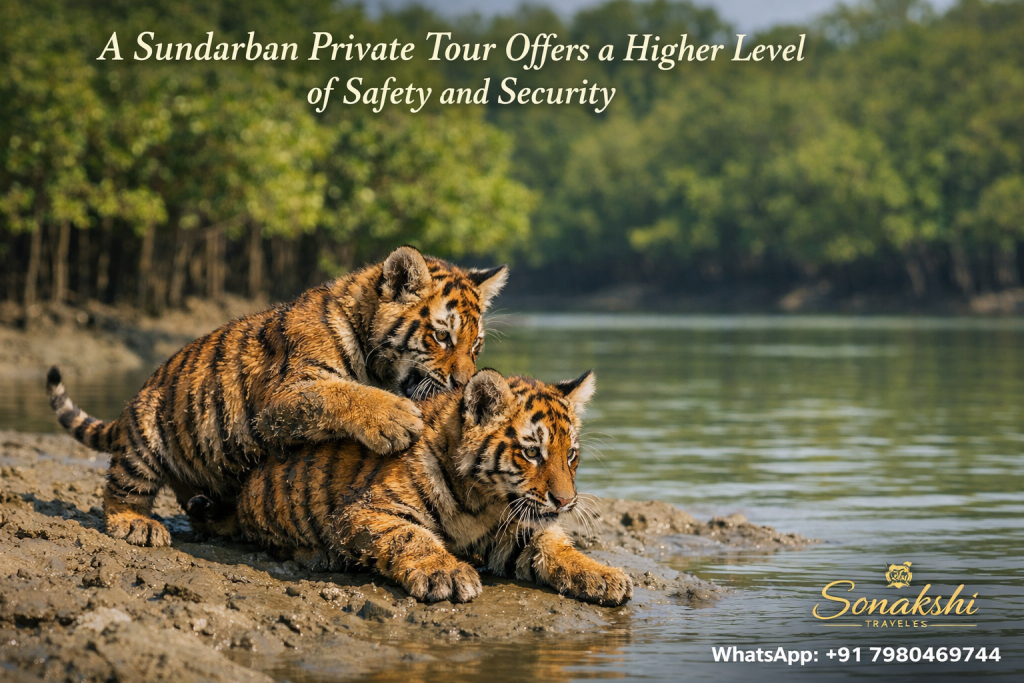
The Sundarban is widely recognized as one of the most complex ecological landscapes on Earth. This immense mangrove delta, shaped by the shifting waters of several great rivers, forms a region where land and water continuously influence one another. Exploring such a landscape requires careful preparation, experienced guidance, and strong attention to safety. For travelers researching responsible ways to explore this remote ecosystem, reliable resources such as Sundarban travel often emphasize that safety planning must be treated as a core component of the journey rather than a secondary concern.
Within this environment, a carefully organized private Sundarban tour provides a structured and controlled method of travel that significantly strengthens security. Unlike large group arrangements where guides must supervise many individuals simultaneously, private journeys create a focused operational setting. Boat crews, guides, and support staff can devote their full attention to a small group, allowing safety procedures to be monitored closely and applied with greater accuracy.
From wildlife awareness and river navigation to emergency preparedness and continuous supervision, private travel introduces multiple layers of protection. These measures are not simply logistical conveniences. They form a deliberate safety framework that enables visitors to explore the mangrove wilderness responsibly while minimizing risks that naturally exist in remote ecological environments.
Understanding the Safety Challenges of the Sundarban Environment
To understand why safety measures are essential, it is important to recognize the nature of the Sundarban landscape itself. The region is not a conventional forest where travelers move along fixed walking trails or established roads. Instead, it is a tidal ecosystem where rivers and channels function as the main pathways of movement. Many travelers encounter these conditions during a guided Sundarban boat safari, where navigation relies on tidal rhythms and careful observation of changing waterways.
In addition to these geographical complexities, the Sundarban is home to a wide range of wildlife adapted to mangrove conditions. Reptiles, mammals, and aquatic predators inhabit the forest and surrounding rivers. These ecological realities require disciplined movement, controlled observation, and a high level of situational awareness from both guides and visitors.
A private tour addresses these challenges through a controlled system of observation, navigation, and supervision. Every movement through the landscape—whether along open rivers or near mangrove edges—is guided by professionals trained to recognize environmental signals. By limiting group size and increasing direct oversight, private tours significantly reduce the likelihood of unsafe situations.
Personalized Safety Oversight
One of the most important advantages of a private tour is the presence of continuous personal supervision. In large travel groups, guides must divide their attention among many participants, which can make it difficult to monitor individual behavior or respond quickly to emerging concerns.
Private arrangements remove this limitation. Guides remain closely aware of each traveler throughout the journey. If someone feels uncertain about boat safety, requires assistance, or needs clarification about safe behavior near riverbanks or forest zones, support is immediately available.
This type of oversight becomes especially important in environments where situational awareness is critical. Actions that may seem harmless—such as leaning too far over a railing or standing on an unstable section of the boat—can create unnecessary risk. In a private setting, guides can quickly correct these behaviors and ensure that safe practices are consistently maintained.
The Role of Experienced Local Guides
Professional guides represent one of the most important safety assets in any wilderness journey. During a Sundarban private tour, guides contribute far more than general commentary about the environment. Many possess extensive local knowledge gained through years of working within the mangrove ecosystem.
Local expertise allows guides to interpret subtle signs within the environment. They can identify indications of wildlife movement, changes in tidal currents, and small shifts in the landscape that might go unnoticed by visitors. These observations help guides anticipate potential risks and adjust routes accordingly.
For example, experienced guides can recognize footprints in soft riverbank mud, detect disturbed vegetation, or interpret unusual bird behavior that may signal nearby animal activity. These observations allow them to guide boats away from sensitive areas and maintain safe distances from wildlife habitats.
The presence of such expertise transforms the journey into a carefully monitored exploration. Guides continuously evaluate environmental conditions, ensuring that each movement through the ecosystem remains safe and well managed.
Controlled and Safer Boat Navigation
Water transport plays a central role in traveling through the Sundarban. Rivers, creeks, and tidal channels form the primary corridors of movement across the mangrove delta. As a result, boat safety becomes one of the most important aspects of responsible travel planning.
Private tours typically operate smaller vessels designed for stability and controlled navigation. With fewer passengers onboard, crew members can carefully monitor balance, movement, and safety procedures throughout the journey.
These vessels are particularly useful when navigating narrow creeks or shallow waterways where precise steering is required. Large boats carrying many passengers may struggle to maneuver in confined channels, while smaller boats allow experienced pilots to maintain careful control.
Safety equipment is also easier to manage in private settings. Life jackets, communication systems, and first aid kits remain readily accessible. Crew members can conduct safety briefings and checks more thoroughly, ensuring that every traveler understands the essential procedures before entering sensitive waterways.
Operational Flexibility and Risk Avoidance
Another major safety benefit of private travel lies in operational flexibility. Large group tours often follow rigid schedules designed to coordinate transportation for many participants. These fixed schedules can reduce the ability to adapt quickly when environmental conditions change.
Private tours function differently. Guides and operators are able to modify routes or timing whenever necessary to maintain safety. If tidal currents shift unexpectedly or if certain channels become difficult to navigate, the travel plan can be adjusted without affecting other groups.
This flexibility allows the tour team to prioritize safety above rigid scheduling. Rather than following predetermined routes regardless of conditions, the journey evolves in response to real-time environmental observations.
For travelers seeking a deeper experience, this adaptability often becomes most evident during longer itineraries such as a 2 nights 3 days Sundarban journey, where multiple days of exploration require careful planning around river conditions and wildlife movement.
Health Preparedness and Emergency Planning
Remote ecosystems require thoughtful preparation for health and emergency situations. Medical facilities within the Sundarban region are limited, which makes advance planning an essential part of safe travel.
Private tours generally include stronger emergency preparedness compared with large group arrangements. Tour operators often carry expanded medical kits and maintain reliable communication systems that allow contact with support services if required.
Because group size remains small, guides can respond quickly if a traveler experiences fatigue, dehydration, or minor injuries. Immediate attention helps prevent small issues from developing into more serious concerns.
Emergency preparedness also involves awareness of evacuation points and safe docking locations along the river system. Experienced operators maintain familiarity with ranger stations, nearby settlements, and accessible medical facilities that could be used if assistance becomes necessary.
These precautions create an organized safety network that supports travelers throughout their journey in a remote landscape.
Psychological Security and Traveler Confidence
Safety does not only involve physical protection. Psychological comfort plays an important role in how travelers experience remote environments. Entering a landscape that is widely known for wildlife and dense forests can create natural apprehension for many visitors.
Private tours help reduce this anxiety by providing constant supervision and a clearly structured travel environment. The presence of trained guides, attentive crew members, and established safety procedures allows travelers to focus on observing the surroundings rather than worrying about potential risks.
When travelers feel secure, they remain calmer and more attentive. This encourages them to follow instructions carefully and remain aware of their surroundings. In this way, psychological security becomes an indirect but meaningful component of overall safety management.
Security for Solo and Female Travelers
For individuals traveling alone or in small groups, security concerns often influence travel decisions. Remote wilderness destinations can feel intimidating without reliable local guidance or professional supervision.
Private tours address these concerns by ensuring that travelers remain accompanied by experienced staff throughout the journey. Guides remain present during boat safaris, observation periods, and movements along the river system. This consistent presence forms a protective framework that significantly reduces vulnerability.
Female travelers often find particular reassurance in the privacy and structure offered by private travel arrangements. A dedicated guide and known support team create an environment that feels both respectful and secure. Rather than navigating unfamiliar surroundings independently, travelers move within a carefully managed system designed to prioritize safety and comfort.
Responsible Interaction with Wildlife
Wildlife observation is one of the defining elements of exploring the mangrove ecosystem. However, safe wildlife viewing requires strict discipline and respect for ecological boundaries.
Private tours make it easier for guides to enforce responsible observation practices. Because the group remains small, it becomes possible to maintain quiet conditions, avoid sudden movement, and keep appropriate distances from animals.
Guides are trained to interpret animal behavior and recognize signals that indicate when additional caution is necessary. If wildlife appears near a boat or along the forest edge, the guide can calmly control the situation and ensure that visitors remain within safe viewing limits.
This controlled approach protects both travelers and wildlife. By preventing unnecessary disturbance and maintaining safe distances, private tours support a respectful balance between human presence and the natural behavior of animals within the mangrove environment.
Travel within the Sundarban requires thoughtful preparation, environmental awareness, and reliable professional guidance. The landscape presents unique challenges that demand careful management. Safety therefore becomes a central foundation of any meaningful exploration of this extraordinary mangrove wilderness.
A well-organized Sundarban travel package designed around private exploration addresses these challenges through structured supervision, expert knowledge, and operational flexibility. Personalized guidance ensures that travelers receive immediate support whenever necessary, while experienced local professionals continuously evaluate environmental conditions.
Smaller vessels, adaptable planning, and comprehensive emergency preparedness further strengthen this protective structure. These measures allow visitors to explore the rivers and forests of the Sundarban with confidence while remaining protected within a carefully designed safety framework.
By placing safety at the center of the journey, private tours transform exploration into a disciplined and responsible experience. Travelers gain the opportunity to observe the richness of the mangrove ecosystem while knowing that every stage of the journey is guided by knowledge, preparation, and respect for the environment.